1300 881 064
  FIND A BRANCH
 DIGITAL TOOLS








How Charles Hull Contracting Helped Shape WA’s Earthmoving Industry
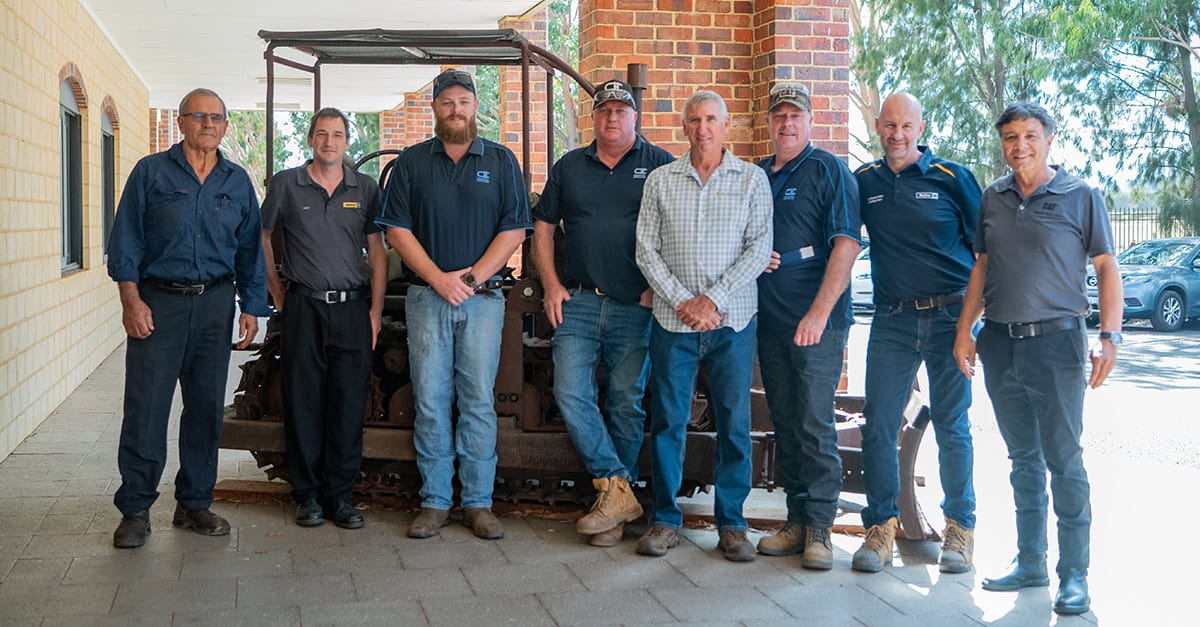
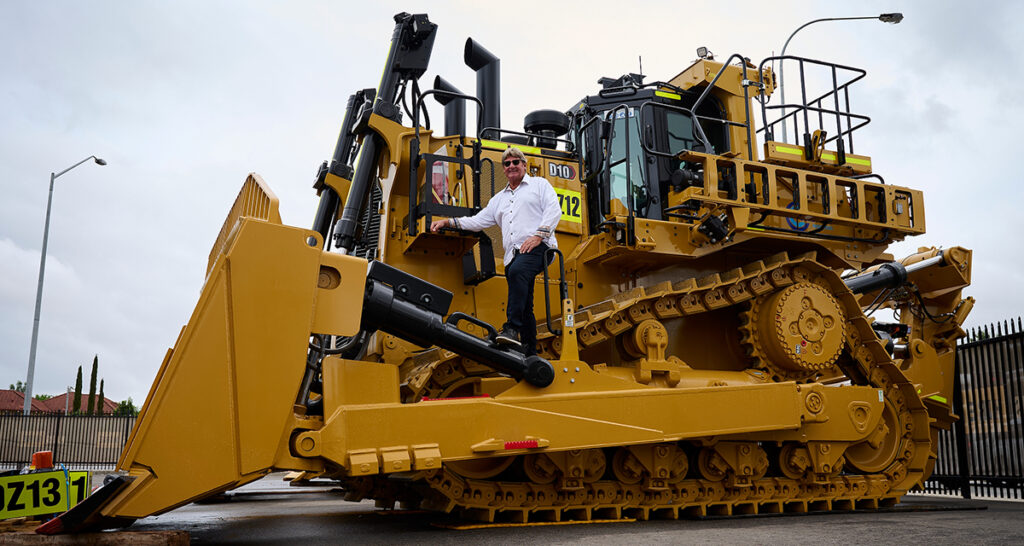
Charles Hull Contracting (CHC) traces its origins to 1965, when founder Charlie Hull expanded from operating a single bulldozer into a contracting business to meet rising demand in regional Western Australia (WA).
As the state’s resources industry accelerated in the mid-20th century, he was among the first to use scraper fleets and move into open cut mining, positioning him as one of the founders and key innovators of the earthmoving industry in the state.
His hands-on approach, focus on equipment capability, and willingness to take on technically demanding projects laid the groundwork for the company’s mining credentials and demonstrated its ability to scale operations in remote environments.
This phase set two enduring characteristics of the company:
- A hands-on, operator-led culture; and
- A dependence on bulldozer-based earthmoving capability, which would later align closely with Cat equipment.
This early business model was typical of post-war Australian contracting firms: small, mobile, and heavily reliant on versatile earthmoving machinery.
As WA invested in major water and infrastructure projects, CHC transitioned into government-backed civil works. The company contributed to projects for the Public Works Department, including the Serpentine and Wungong dams, marking its move into larger-scale earthworks.
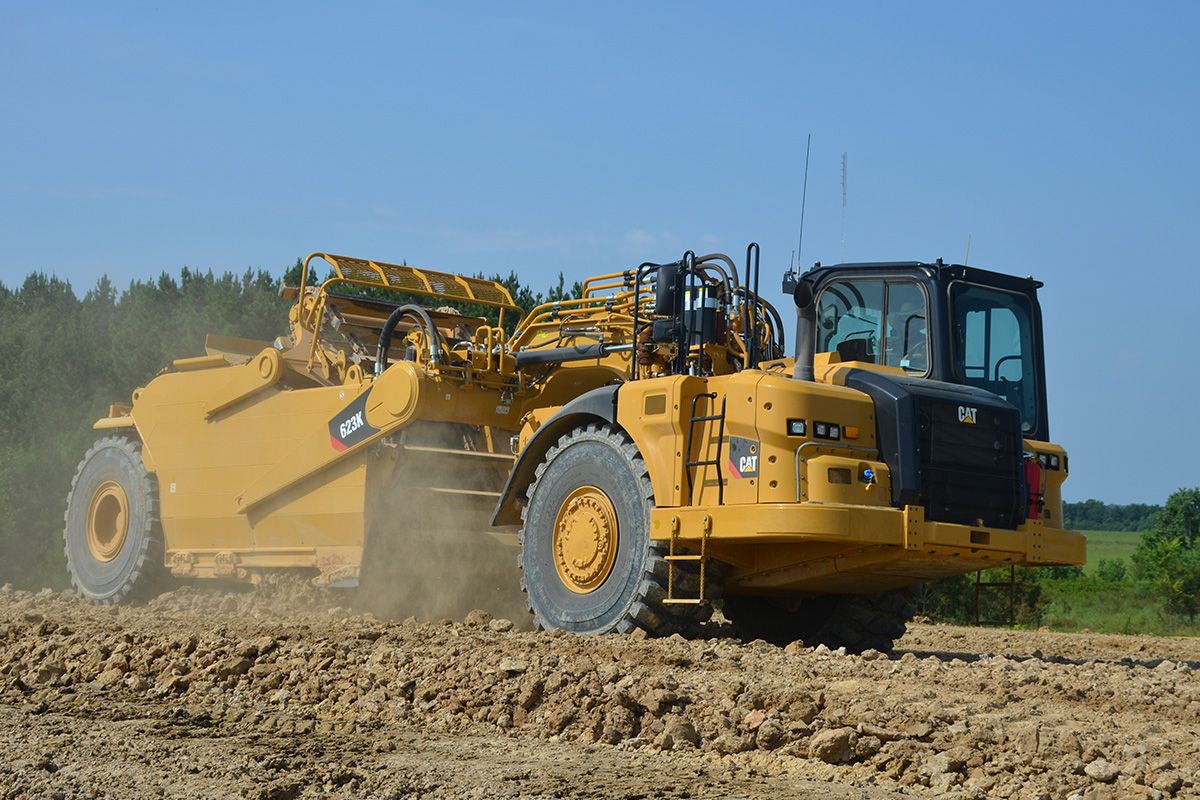
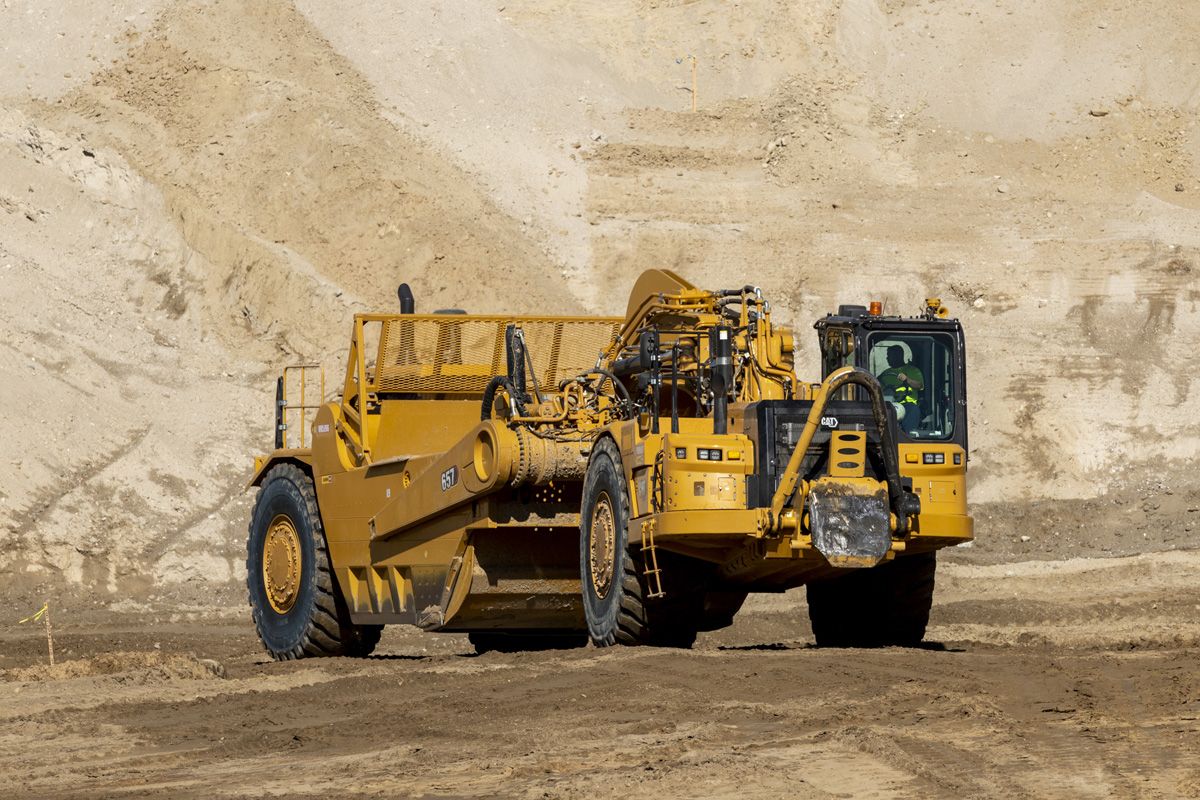
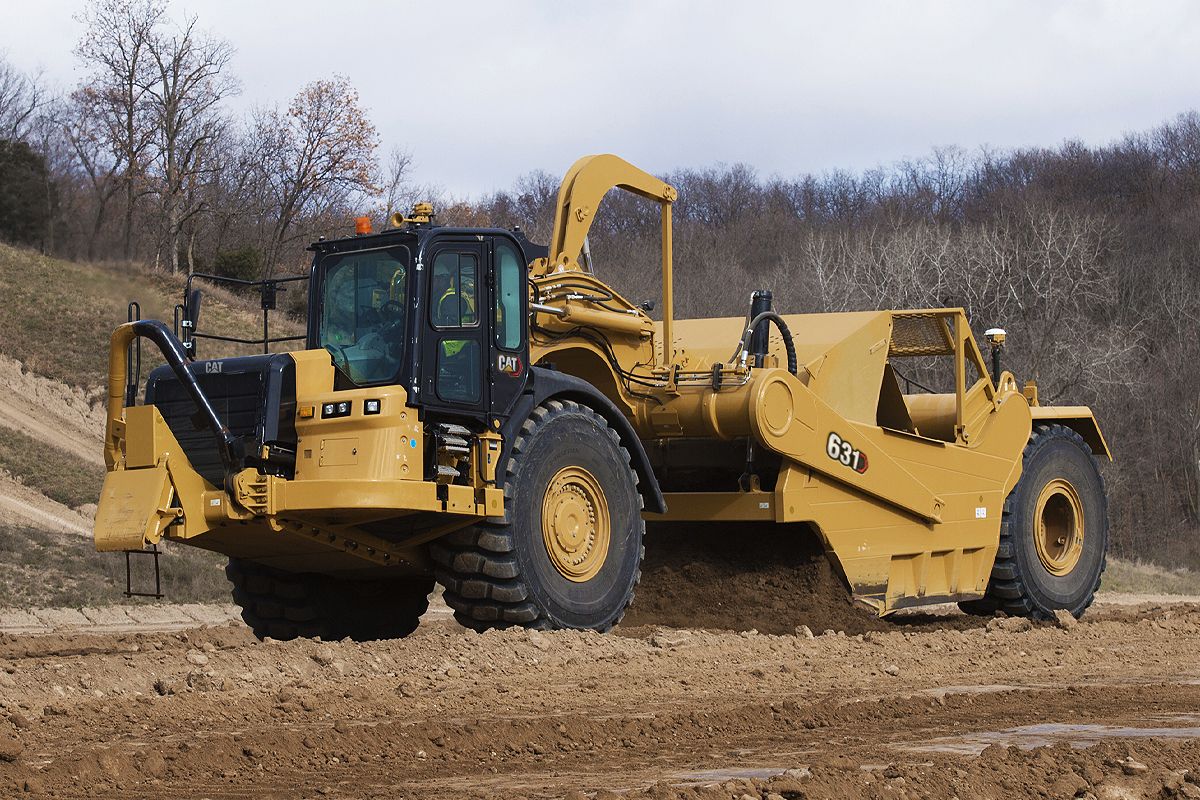
To meet growing project complexity, the fleet expanded beyond dozers to include scrapers, enabling bulk earthmoving and road construction. The company worked on metropolitan roads and subdivisions, signalling its integration into the state’s expanding urban footprint.
A milestone came in the mid-1970s when the company was involved in building the original site for ALCOA’s Wagerup refinery, one of WA’s major industrial developments. At the same time, contracts with Main Roads WA saw CHC scraper teams operate across the state, reinforcing its reputation as a reliable heavy earthmoving contractor.
Caterpillar is king
The company’s origins with a bulldozer-led business aligned with Caterpillar’s dominance in Australia. Cat equipment played a foundational role in the state’s development at about the same time CHC started to grow, supporting WA’s rapid expansion in agriculture, infrastructure and mining.
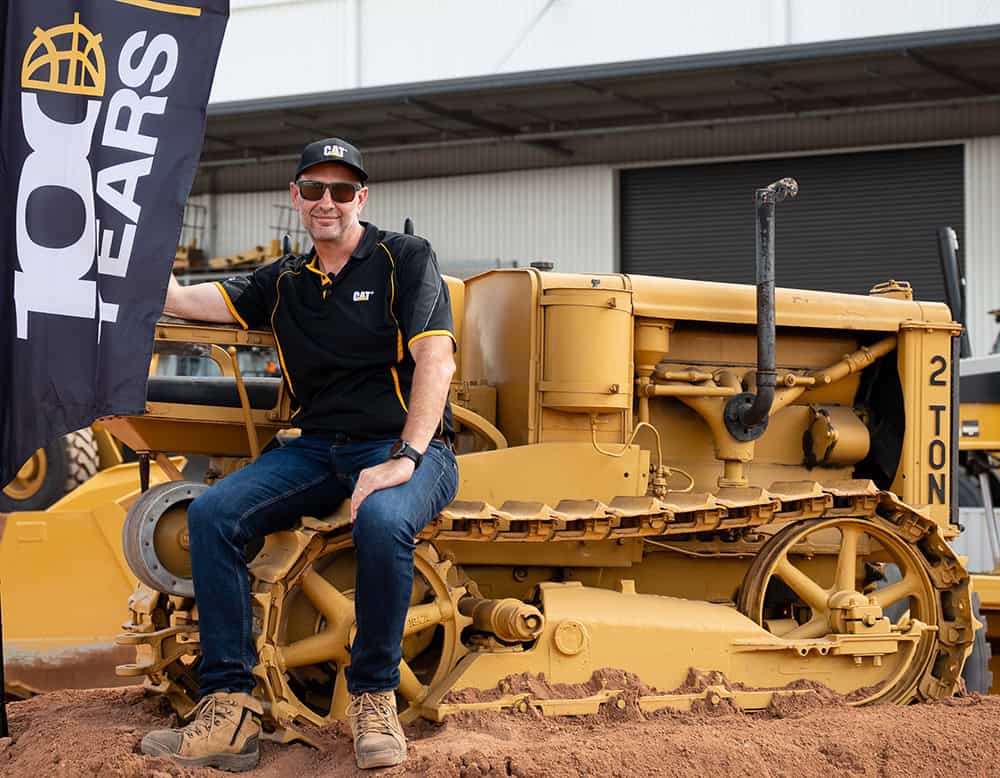
Tractors and bulldozers based on early Caterpillar designs had already been introduced to WA in the 1920s and 1930s, enabling large-scale land clearing, road building and dam construction that had previously been impossible with animal or manual labour.
Cat Dozer Action
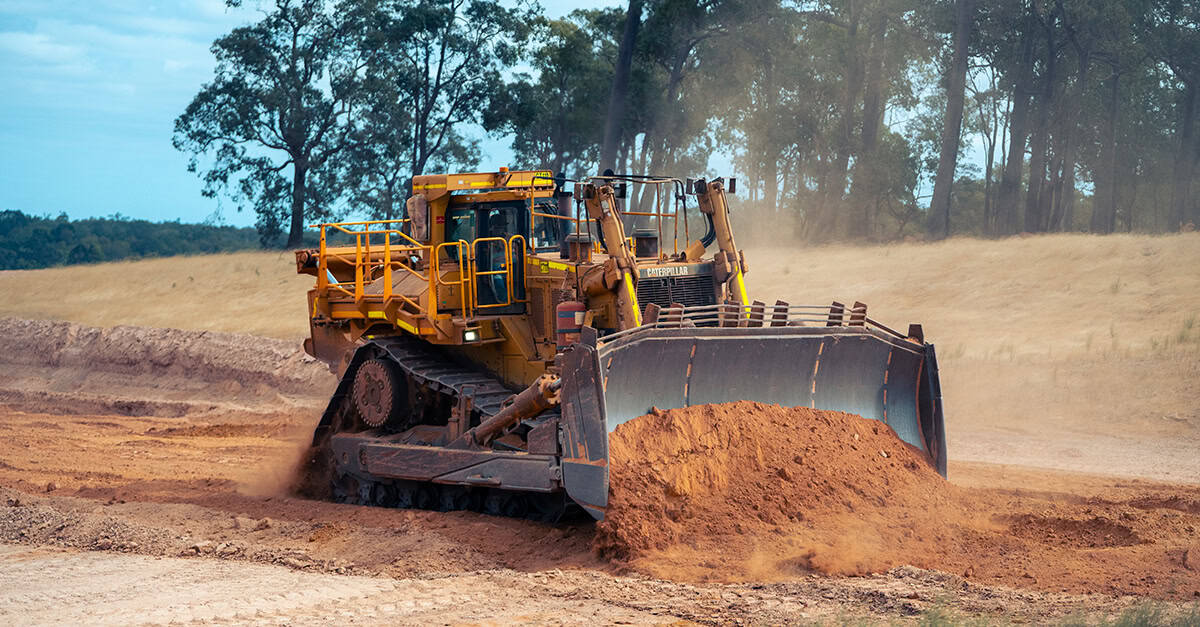
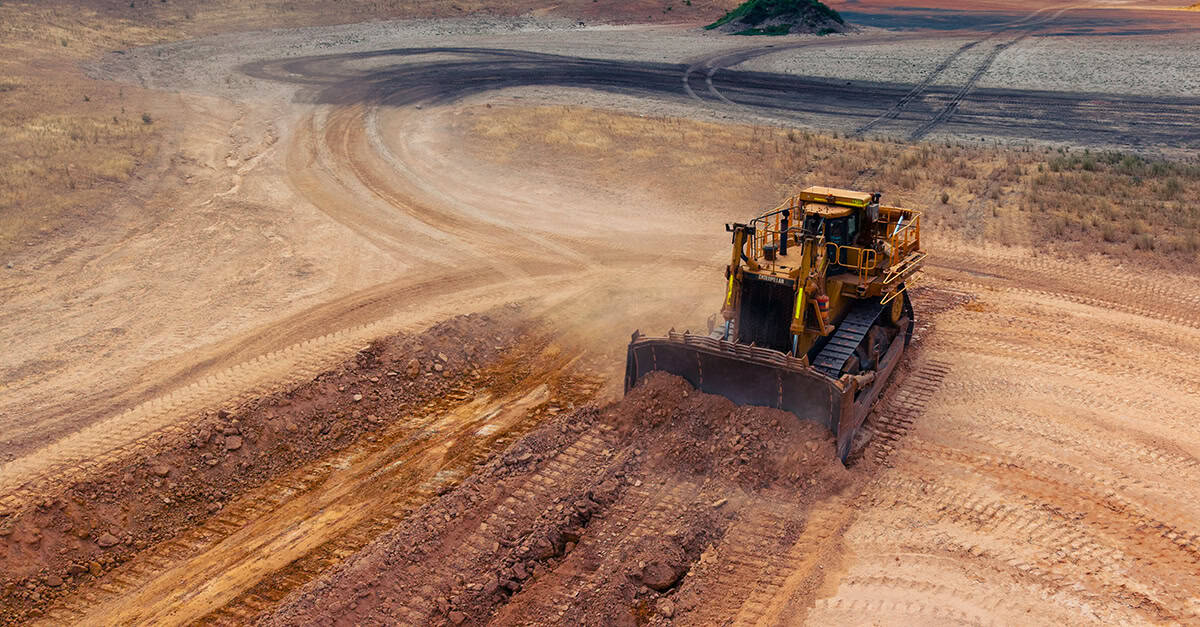
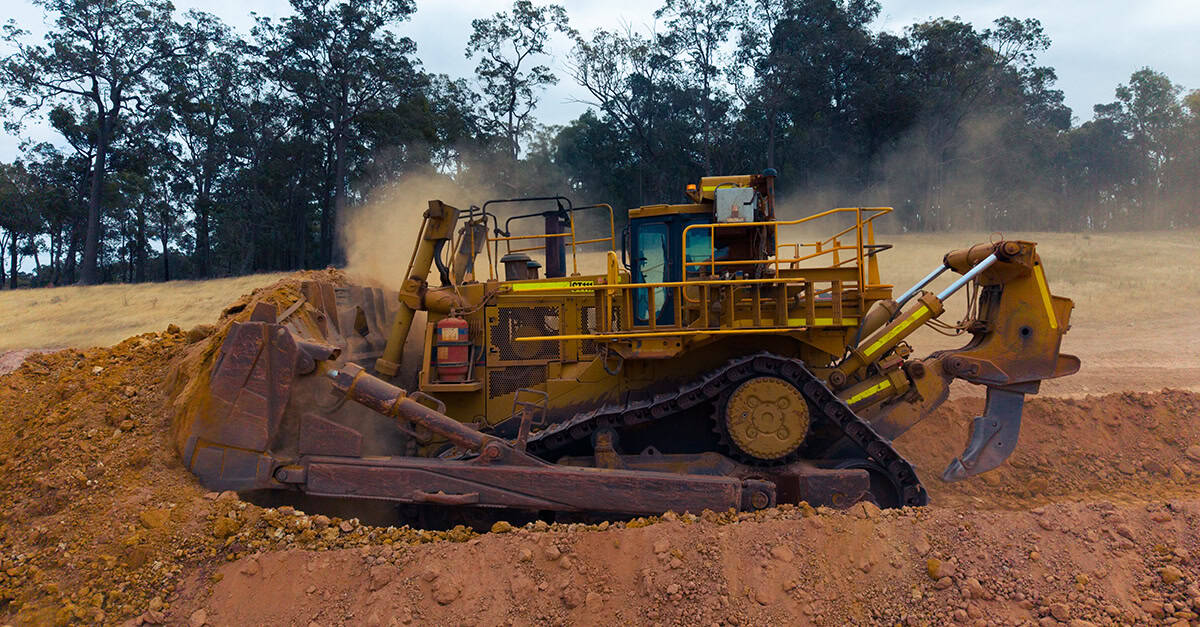
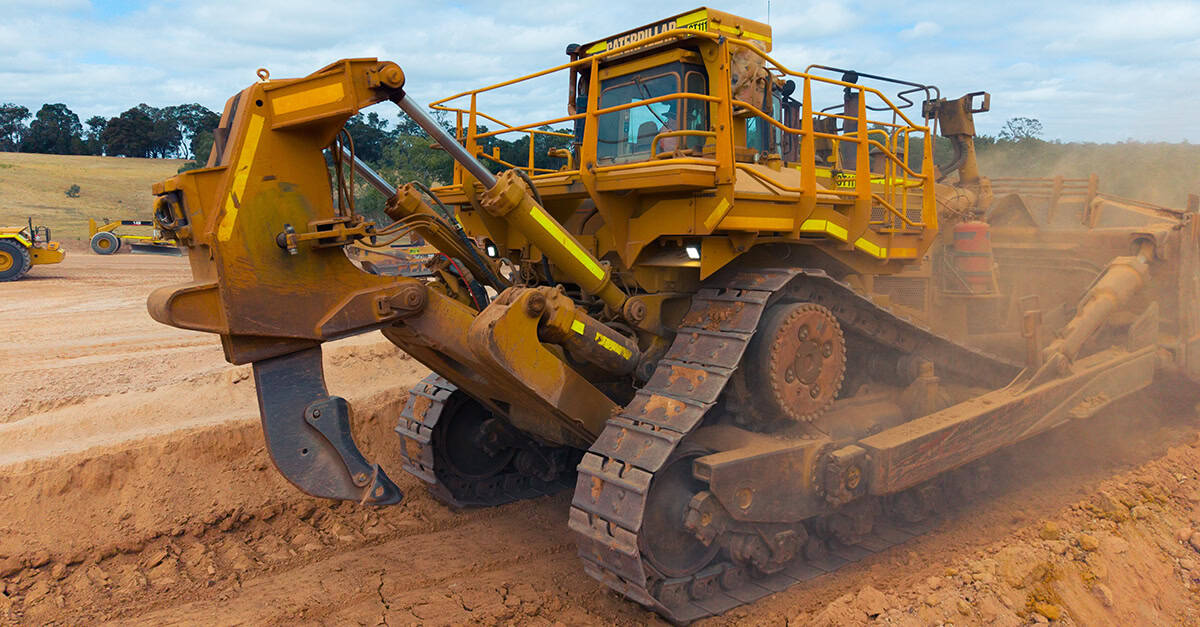
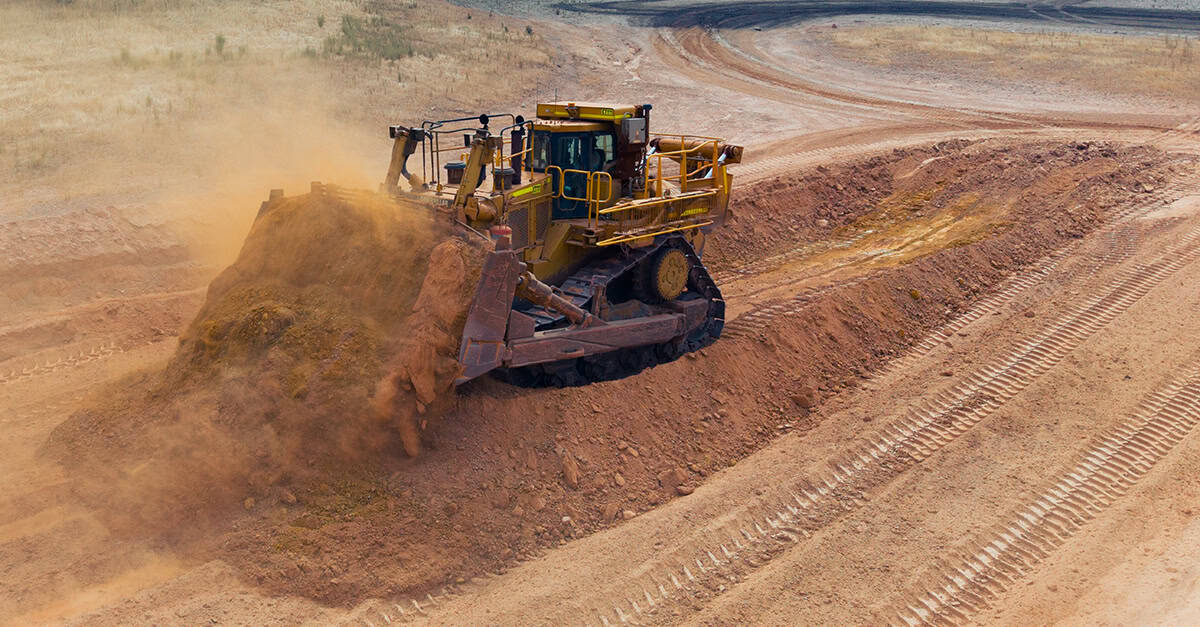
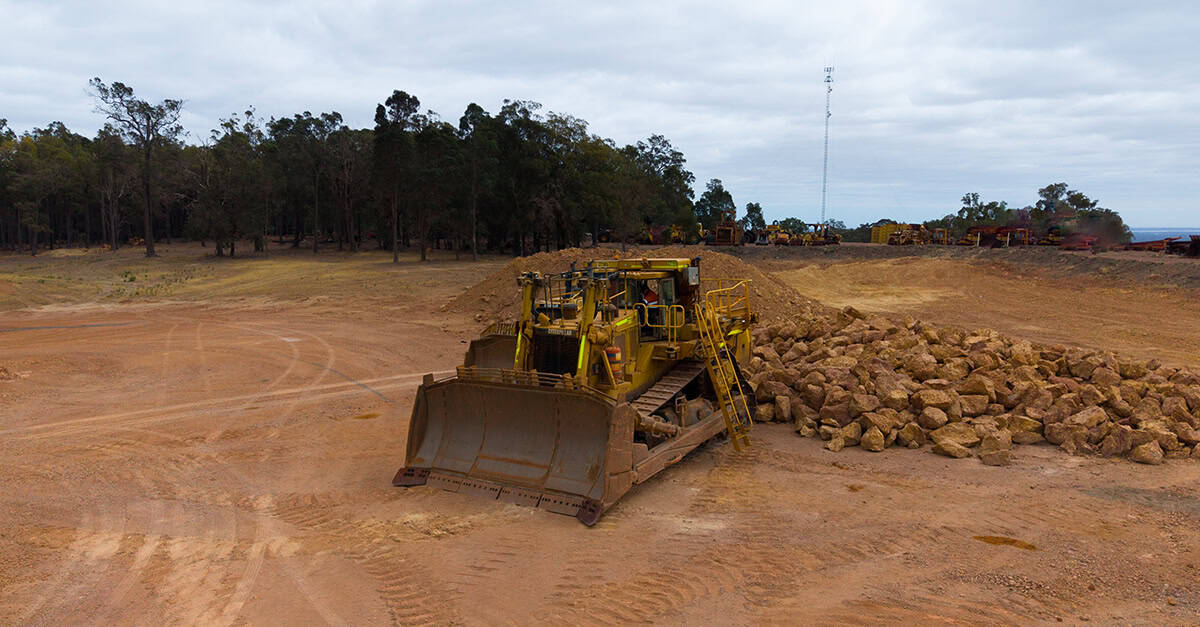
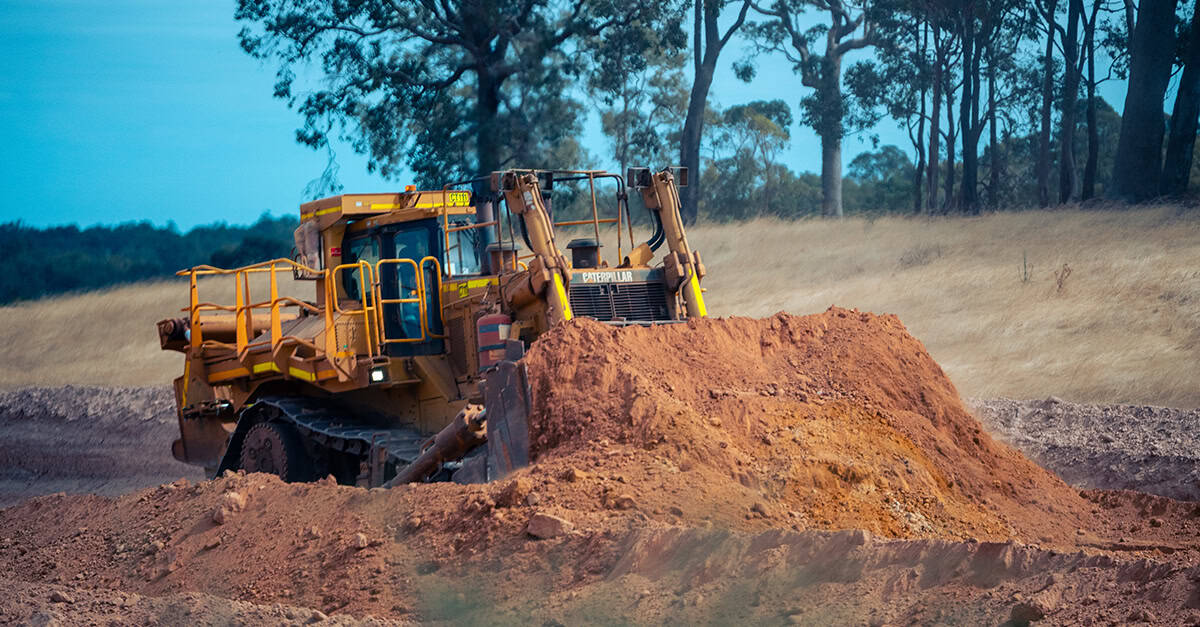
Demand surged after World War II as population growth and post-war reconstruction accelerated, and Cat machinery became the backbone of major public works and emerging iron ore, gold and bauxite operations across the state.
Caterpillar of Australia was established in 1955, so it was only natural for CHC to start using Cat equipment.
By the 1960s and 1970s, Cat scrapers, dozers, motor graders and haulage equipment were central to WA’s open-cut mining boom and large civil projects, cementing Caterpillar’s reputation for durability in remote and harsh conditions.
CHC’s fleet evolution of dozers, scrapers, excavators, dump trucks, graders and loaders matched Caterpillar’s core product lines used across civil and mining sectors.
Charlie was, at one point, among the largest owners of Cat scraper fleets in Australia, a reflection of both scale and loyalty.
Today, CHC spreads its experience with scrapers through a Scraper School, an intensive two-week training program designed to equip individuals with comprehensive knowledge and hands-on experience in operating the machine.
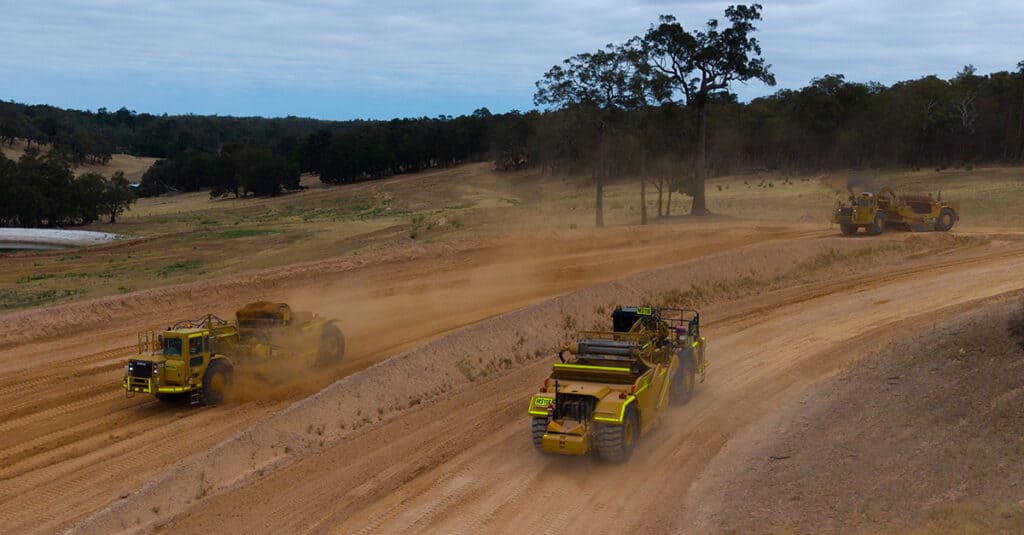
Upon successful completion of the program, graduates are offered full-time employment and assigned to a site to begin their professional journey in scraper operations.
Multi-sector consolidation
Over subsequent decades, CHC expanded into a full-service contractor, offering:
- Mining services (load and haul, drill and blast, rehabilitation)
- Civil construction (roads, drainage, tailings storage facilities)
- Plant hire
- Heavy transport logistics
The company’s project portfolio reflects this diversification, including projects such as residue drying areas at Wagerup, Pinjarra and Boddington, haul road construction across long distances, mine rehabilitation projects, and infrastructure such as the Armadale Road–Thomas Road extension.
By this stage in the 1990s, the business had evolved from a small owner-operator outfit into a large, vertically integrated contractor, employing hundreds of staff and operating across multiple regions.
CHC continues to operate major projects across WA, including work for Talison Lithium, Newmont, South32 and Premier Coal, highlighting its ongoing relevance in the state’s resource economy.
Into the next generation
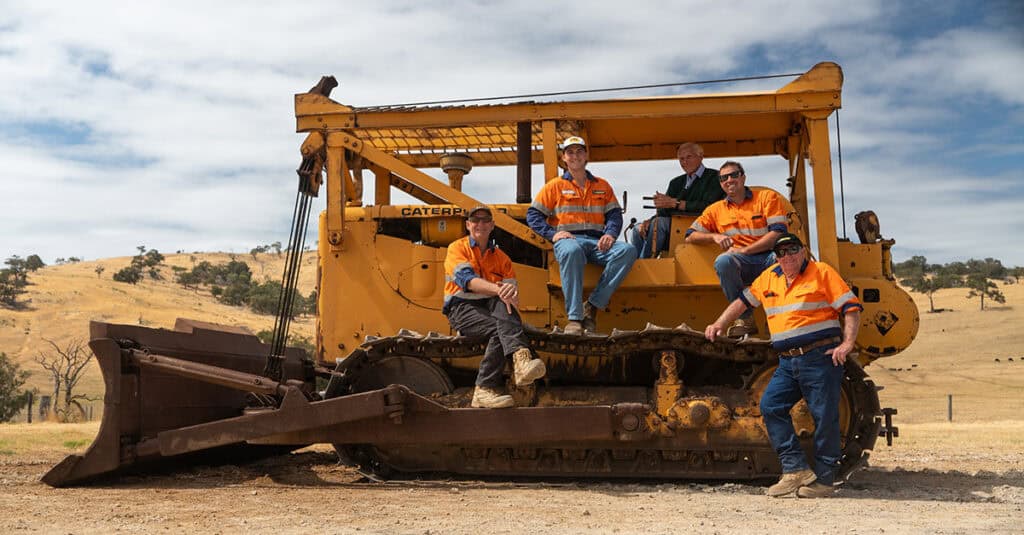
CHC has remained a family-owned and operated enterprise, with management transitioning to the next generation while maintaining a strong operational focus.
Charlie Hull’s early days in earthmoving have become something of family folklore. He began modestly, with a small tractor that initially didn’t even carry a blade. Over time, that machine was modified, adapted and put to work pushing roads, an early indication of the mindset that would define the business: make the most of what you have, improve it where you can, and keep it working.
From those beginnings, Charlie built a reputation not just for hard work, but for resilience and resourcefulness. He was known to work through the night to keep machines running, driven by a simple but uncompromising standard: to get the job done.
That work ethic filtered through every layer of the business and left a lasting impression on those around him.
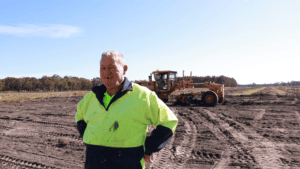
Charlie Hull
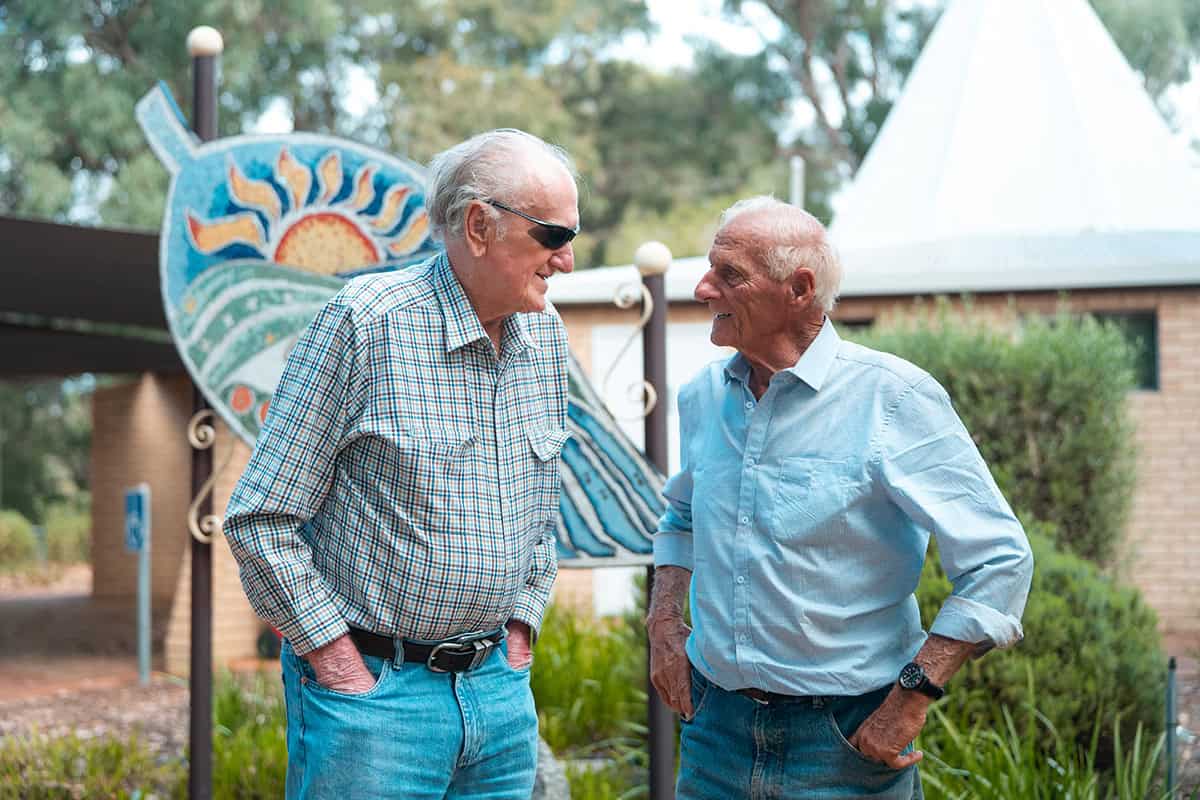
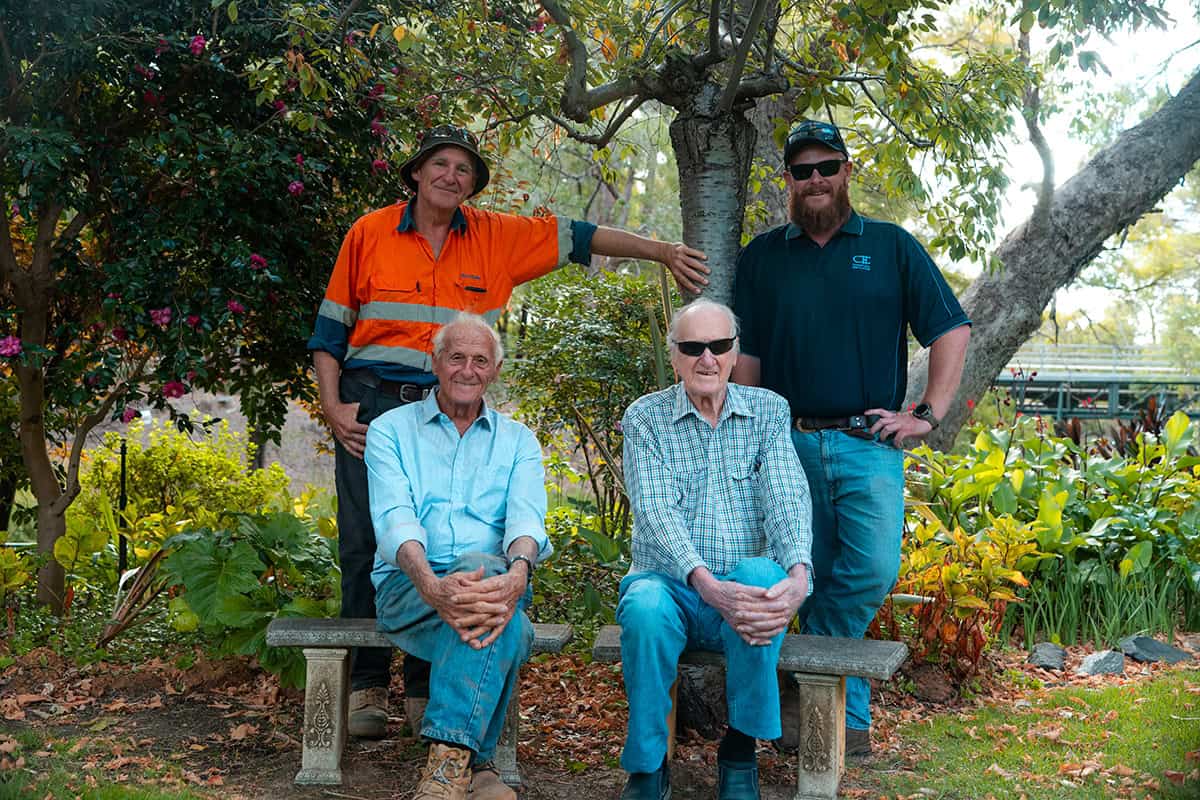
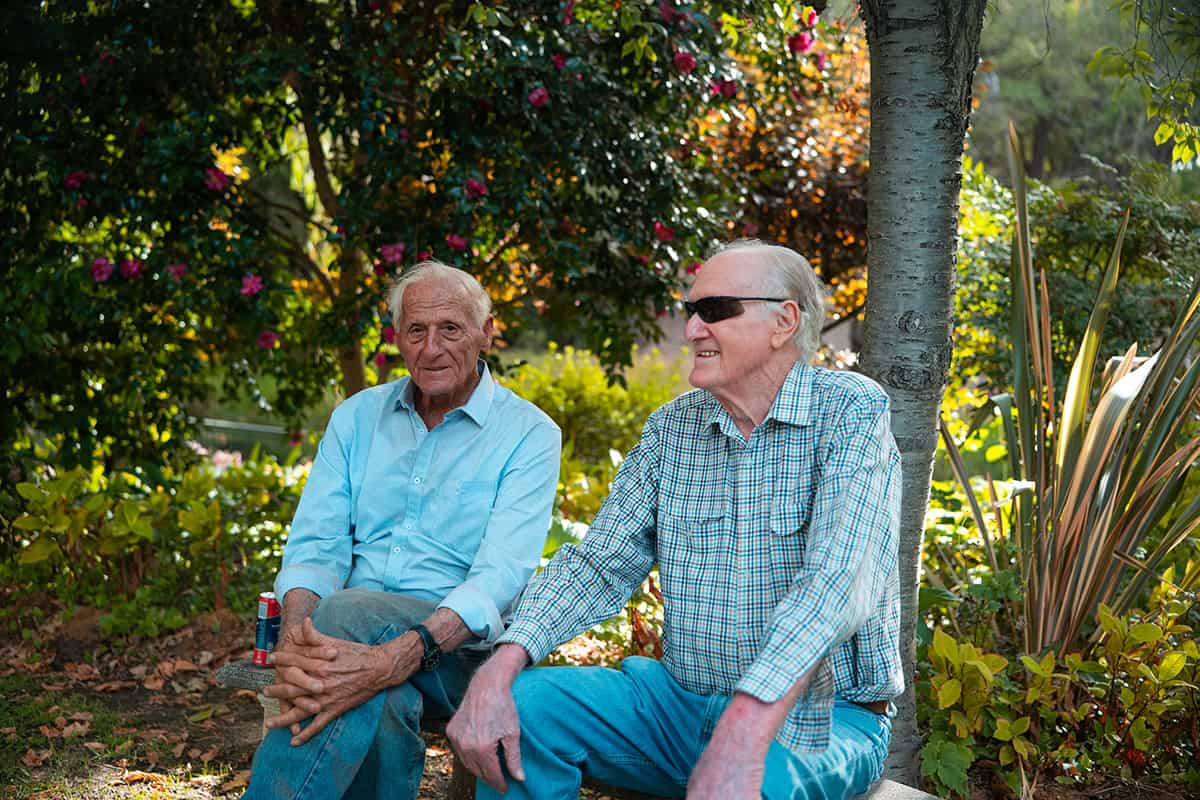
Just as important was his approach to people. Charlie believed in giving others a chance, often backing individuals others might overlook. Many who started with little experience went on to build long careers within the company, reflecting a culture grounded in trust, opportunity and loyalty.
That philosophy extended to Charlie’s own family, many of whom grew up in and around the business.
Richard Hull, Charlie’s youngest son, joined in 1990, beginning as an apprentice fitter before moving through a wide range of roles, from construction work to operating low loaders transporting heavy equipment. Over time, he transitioned into the office and now serves in an operations management capacity. His journey reflects a hands-on understanding of the business, built from the ground up.
Another son, Howard, started even earlier, in 1986, as an apprentice auto electrician. From there, he moved into operating scrapers, machines he still speaks fondly of, before shifting into maintenance, transport management and eventually leadership.
Today, he is a director of the company, alongside Richard and their sister Carolyn, representing the next generation of stewardship.
Ray Hull, Charlie’s nephew, played a pivotal role in the company’s evolution. Beginning in 1987, he spent 25 years with the business, progressing from supervisor and estimator to manager. His time working closely with Charlie shaped his own approach to business, eventually leading him to establish Raywell Contracting, an opportunity he credits directly to Charlie’s mentorship.
Another nephew, Fred Hull, offers perhaps one of the most personal perspectives. Having known Charlie since his youth, he recalls accompanying him on repair jobs, learning firsthand the importance of initiative and problem-solving.
Over the years, Fred worked within the business as a mechanic and operator, later acquiring his own equipment while continuing to collaborate closely with the company.
Together, these voices paint a picture of a business where learning was practical, expectations were high and independence was encouraged.
Ethics and long-term thinking
Central to Charlie’s philosophy was a strong sense of ethics, particularly in how clients were treated. Delivering value for money, working efficiently and maintaining honesty in decision-making were non-negotiable principles.
This approach fostered long-term relationships, some of which have endured for decades. The intention was never short-term gain, but sustained partnerships built on trust.
Even when it meant challenging a client’s approach, the company maintained a commitment to doing what was right for the job.
Internally, the business operated with a similar openness. Decisions were often discussed collectively, with robust debate encouraged. In its earlier days, key personnel worked side by side in a single room, reinforcing a culture of transparency and shared responsibility.
Rebuilding over replacing
Perhaps the most defining element of CHC’s operational philosophy is its approach to equipment, specifically the preference for rebuilding rather than replacing.
When speaking to the various Hull family members, they all agreed that for Charlie, machinery was not a disposable asset but a long-term investment. New purchases were approached cautiously, often seen as a last resort. Instead, the focus was on extending the life of existing equipment through comprehensive rebuild programs.
This approach was grounded in financial discipline and practical experience. Rebuilding a machine could cost significantly less, often around 40 per cent of the price of a new equivalent, while delivering comparable performance.
Charles Hull Contracting HQ
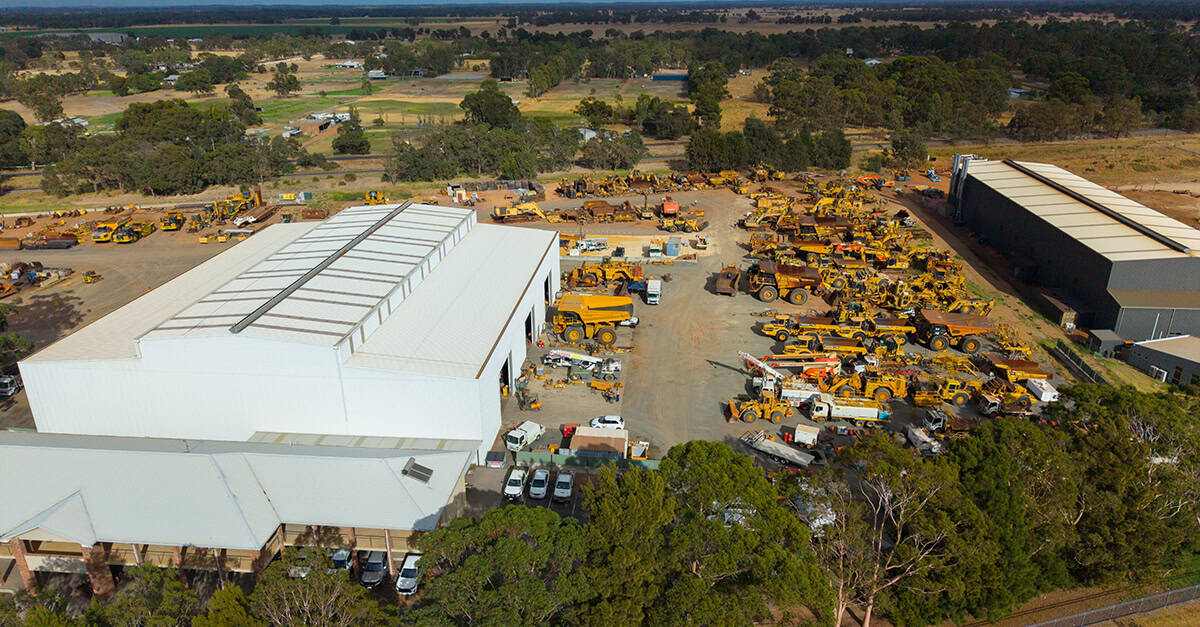
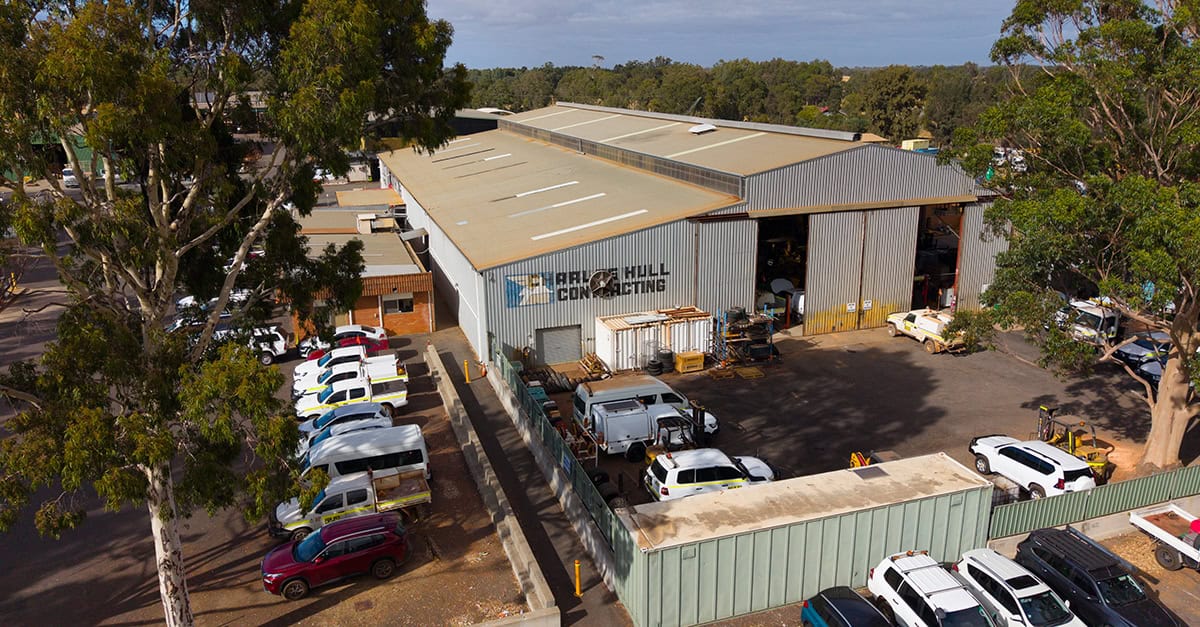
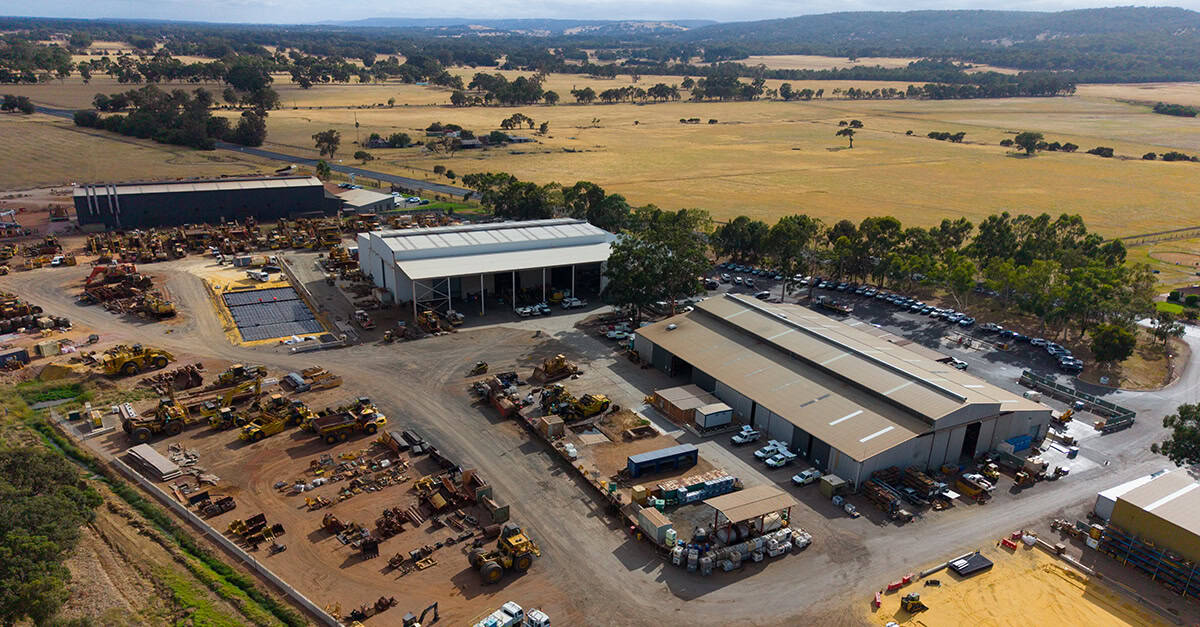
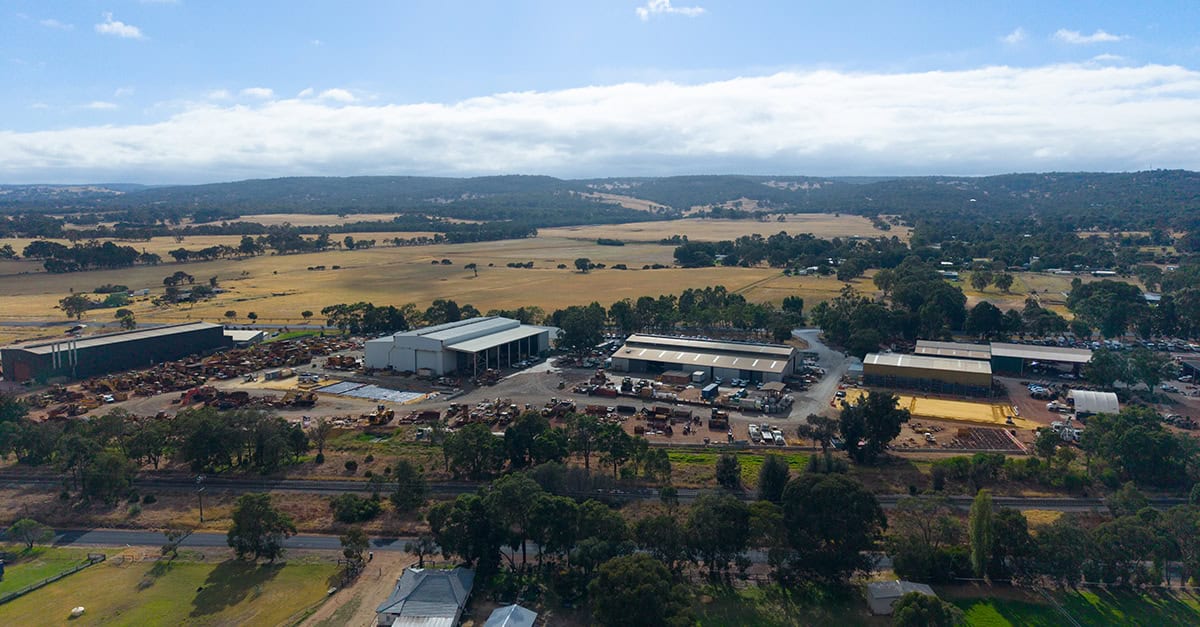
More importantly, it allowed the business to retain control over its capital.
According to the Hull family, Charlie emphasised that a machine only truly generated profit once it was fully paid off. By minimising debt and prioritising ownership, the company reduced its exposure to financial risk.
They said that in challenging periods, equipment could be parked, but loan repayments could not. This distinction became a cornerstone of the company’s resilience over time.
The rebuild philosophy also extended to people. Apprentices were trained thoroughly, developing the skills needed to diagnose, repair and maintain machinery to a high standard. That internal capability ensured consistency in quality and reinforced the long-term viability of the fleet.
Underlying this rebuild strategy was the preference for Cat equipment.
“The appeal of Caterpillar lay in its durability and design,” the Hulls said.
“Cat machines were (and still are) built to be rebuilt, often more than once, and featured a level of component interchangeability that made maintenance more efficient.”
“Parts can be adapted across models, and repairs can be carried out with confidence that the machine will return to reliable service.”
A big deal
Equally important has been the strength of dealer support in WA.
Supporting that legacy is a partnership with WesTrac that extends far beyond equipment supply, anchored by trusted relationships, tailored solutions and a shared focus on long-term value.
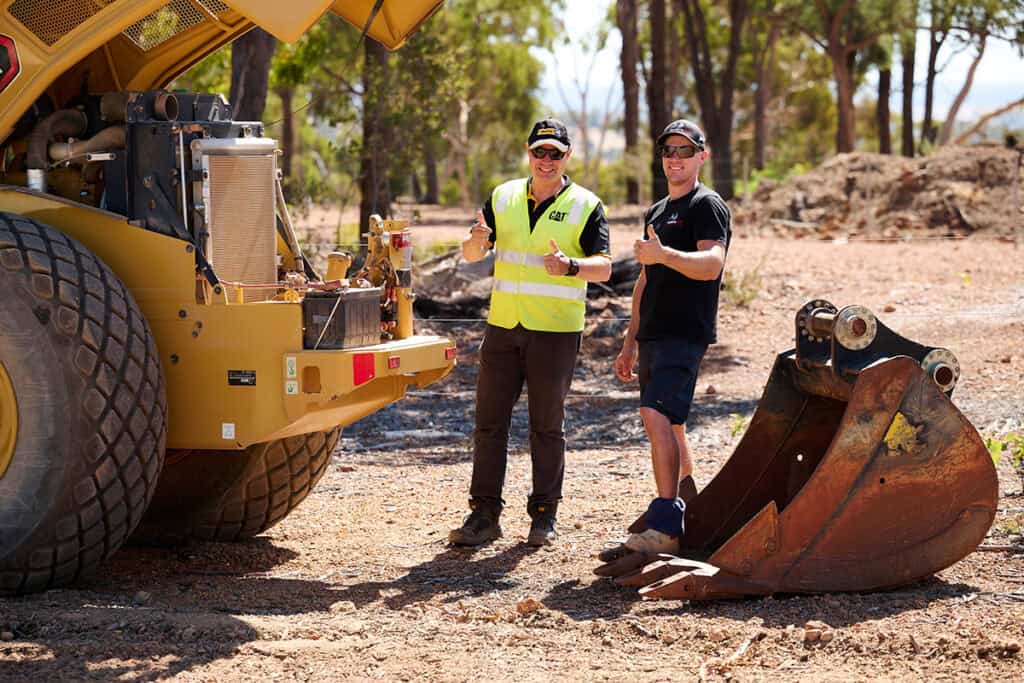
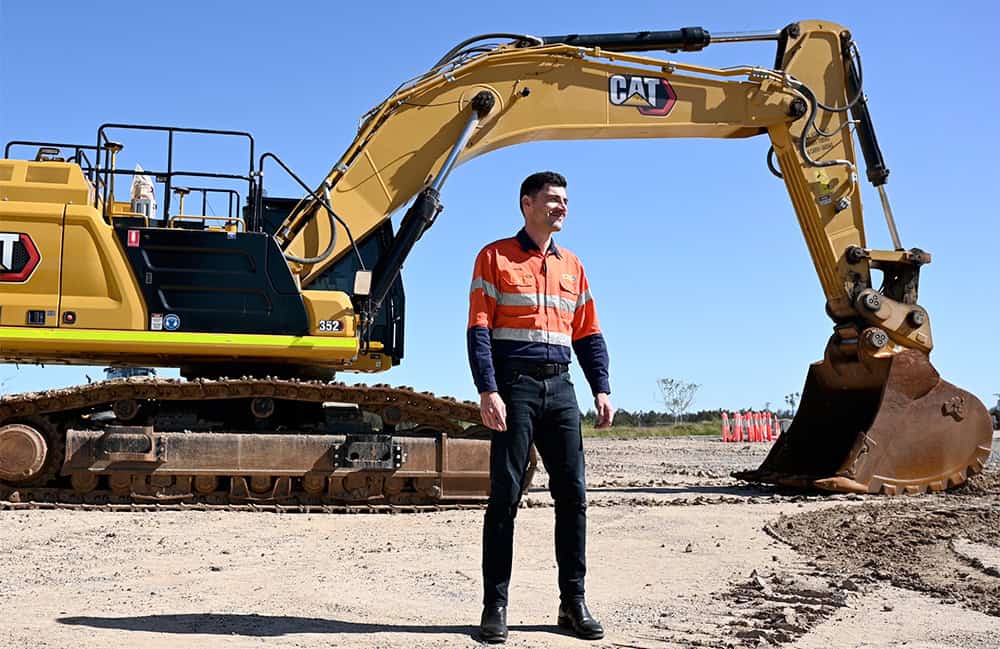
WesTrac Account Manager Anthony Garic, who has worked alongside CHC for more than 15 years, said his role was not defined by transactions, but by accessibility and responsiveness.
“When the business needs support, advice or direction, it is delivered quickly and with clarity,” he said.
“More than simply supplying machinery, my focus is on delivering complete solutions. Whether the requirement is for new equipment, quality used machines, or a full Cat Certified Rebuild, the objective remains the same: to align the right asset strategy with the customer’s operational and financial goals.
“This consultative approach has become valuable as CHC continues to manage a diverse fleet operating across WA.”
Backing up CHC’s preference for rebuilds is the way Cat machines have been engineered with rebuildability in mind. This enables the business to extract maximum life cycle value from its assets, whether purchased new or acquired as used equipment.
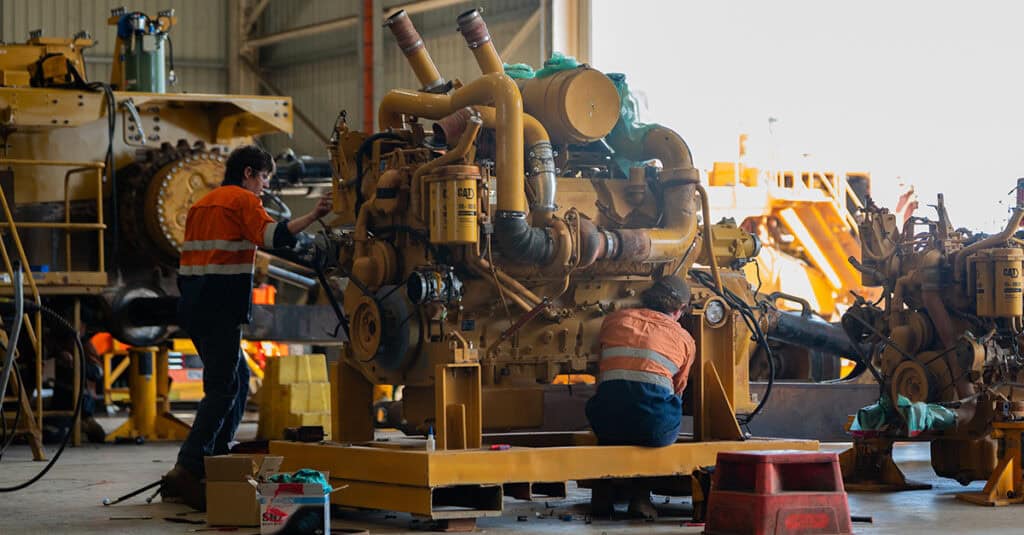
“Caterpillar rebuild programs, supported by WesTrac, have become a compelling component of this strategy,” Anthony said.
“Through both standard and certified rebuild options, machines can be restored to original specifications, incorporating the latest updates and backed by warranty.”
“Rebuilds represents a cost-effective pathway to extend asset life while maintaining performance and reliability. The availability of competitive finance solutions further strengthens the proposition, allowing rebuilds to be structured in a way that aligns with broader business planning.”
WesTrac’s capability in this space is underpinned by its parts network, highly skilled technicians and precise cost modelling.
Rebuilds are delivered with accuracy and efficiency, supported by around-the-clock workshop operations and access to genuine components. This integrated approach ensures that machines are returned to service quickly and with confidence, minimising disruption to ongoing projects.
Beyond rebuilds, WesTrac provides a support ecosystem that is critical to contractors. With projects spanning the South West, Mid West, Goldfields and remote northern regions, CHC relies on consistent access to service, parts and technical expertise.
WesTrac’s statewide footprint, comprising branches, field service teams and product support personnel, ensures that assistance is never far away, regardless of location.
Technology also plays an important role in optimising fleet performance. Through FitFleet, Anthony said CHC benefits from structured maintenance and service agreements that are integrated with new equipment purchases.
FitFleet® is a suite of Customer Value Agreements (CVAs) designed to proactively manage the maintenance, health and performance of Cat machinery. It moves maintenance from a reactive “fix-it-when-it-breaks” model to a planned approach, ensuring higher uptime and known costs for single machines or entire fleets.
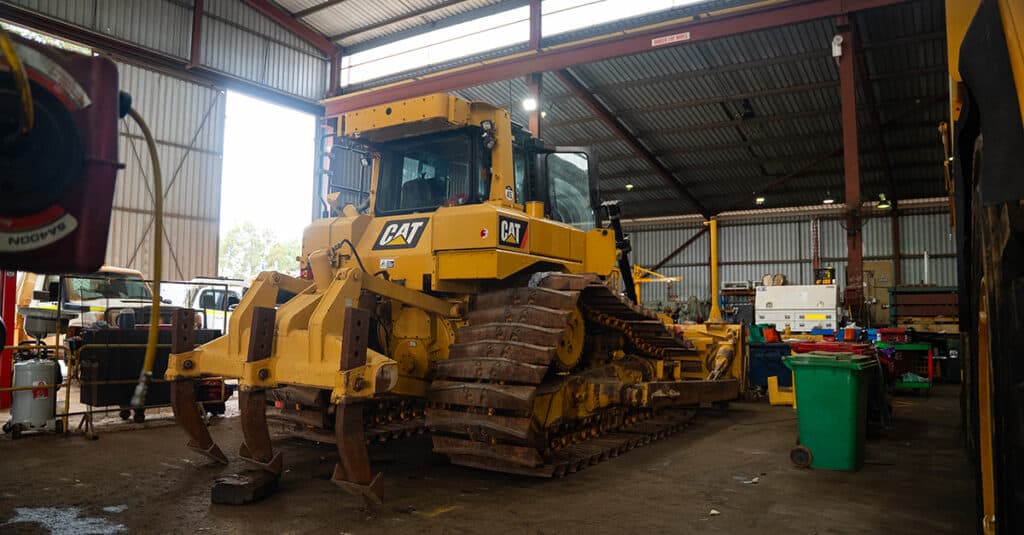
These CVAs streamline servicing requirements to proactively maintain machines, reducing the risk of unexpected downtime.
“Complementing this is VisionLink™, Caterpillar’s telematics platform, which provides real-time visibility across the fleet,” Anthony said.
“For a business operating across such a wide geographic area, this level of insight is invaluable. It allows the team to monitor machine health, utilisation, fuel consumption and location remotely, enabling informed decision-making and improved operational efficiency.”
“In effect, VisionLink extends oversight beyond the physical job site, giving managers the tools to optimise performance across multiple projects simultaneously.”
Culture core
Anthony reiterated the importance of the culture that forms the foundation of CHC.
“Built over generations, the business has remained grounded in a simple but powerful philosophy: work hard, deliver for the customer, and maintain high standards across every aspect of the operation,” he said.
“This belief, passed down through the Hull family, continues to define the company’s approach and underpins its sustained growth.”
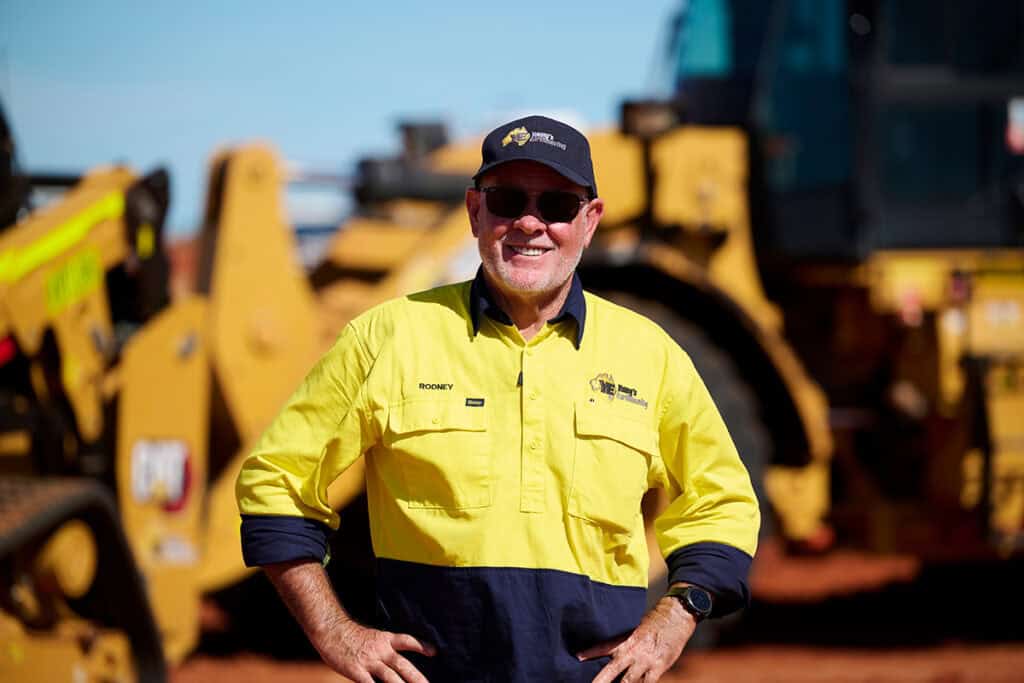
With a solid foundation, a clear operational philosophy and the backing of a strategic partner in WesTrac, the business is well-positioned to navigate the evolving demands of the construction and resources sectors.
“As projects become larger, more complex and increasingly data-driven, the combination of robust equipment, advanced technology and responsive support will remain essential,” Anthony said.
“The partnership between CHC and WesTrac is set to deepen further, continuing to evolve in line with industry needs, while maintaining the core principles that have driven success to date. It is a relationship built not just on machinery, but on trust, performance and a shared commitment to delivering outcomes.”

FAQs
1. What is Charles Hull Contracting (CHC)?
Charles Hull Contracting is a Western Australian family-owned civil and mining contractor founded by Charlie Hull in 1965. The company grew from a single bulldozer operation into a major contractor providing mining services, civil construction, plant hire and heavy transport logistics across Western Australia.
2. Why is Charles Hull Contracting known for Caterpillar equipment?
CHC has used Caterpillar machinery throughout much of its history, with Cat dozers, scrapers, graders, loaders and haulage equipment forming the backbone of its fleet. Charlie Hull was once among the largest owners of Cat scraper fleets in Australia, and the company continues to rely on Caterpillar equipment because of its durability, rebuildability and performance in demanding conditions.
3. What major projects has Charles Hull Contracting worked on?
Over its history, CHC has contributed to major Western Australian projects including the Serpentine and Wungong dams, ALCOA’s Wagerup refinery development, haul road construction, mine rehabilitation works, residue drying areas at Wagerup, Pinjarra and Boddington, and the Armadale Road-Thomas Road extension. The company currently works with clients including Talison Lithium, Newmont, South32 and Premier Coal.
4. Why does Charles Hull Contracting rebuild machinery instead of replacing it?
CHC follows a long-standing philosophy of rebuilding equipment to maximise asset life and reduce capital costs. According to the Hull family, rebuilding a machine can cost significantly less than purchasing a new equivalent while delivering comparable performance. The strategy also reduces debt exposure and allows the business to get maximum value from its equipment investments.
5. How does Charles Hull Contracting train new scraper operators?
CHC operates its own Scraper School, an intensive two-week training program that provides participants with both theoretical knowledge and practical scraper operating experience. Graduates who successfully complete the course are offered full-time employment and placed on-site to begin careers in scraper operations
Contact Our Team
Earthmoving Equipment Magazine is a bi-monthly trade magazine for the booming Australian earthmoving industry. Since 2008, the magazine has provided readers with the latest news, insights, dealer profiles, and case studies featuring the latest plant and equipment from the world’s leading brands. Earthmoving Equipment Magazine is a must-read for earthmoving business owners, contractors, fleet managers, and operators – or anybody with a love for big, powerful machines.