Modern Slavery Statement
WesTrac opposes all forms of modern slavery and is committed to conducting business ethically, responsibly and in a manner that respects human rights. Throughout FY26 WesTrac continued to strengthen its approach to identifying, assessing and addressing modern slavery risks within its operations and supply chain.
Reporting Entity
This Annual Modern Slavery Statement has been prepared for WesTrac Pty Ltd (ABN 63 009 342 572), located at 128-136 Great Eastern Highway, South Guildford, WA 6055 (WesTrac) and affiliates within the same corporate group (together, WesTrac Group).
Reporting Entity Structure,Operations and Supply Chain
Structure
WesTrac is a wholly owned subsidiary of SGH Limited (SGH), ABN 46 142 003 469, headquartered at Level 30, 175 Liverpool Street, Sydney, NSW, 2000. WesTrac forms part of the SGH Group and operates under SGH’s broader governance and ethical business framework. WesTrac subsidiaries are SITECH (WA) Pty Ltd and SITECH Solutions Pty Ltd.
Operations
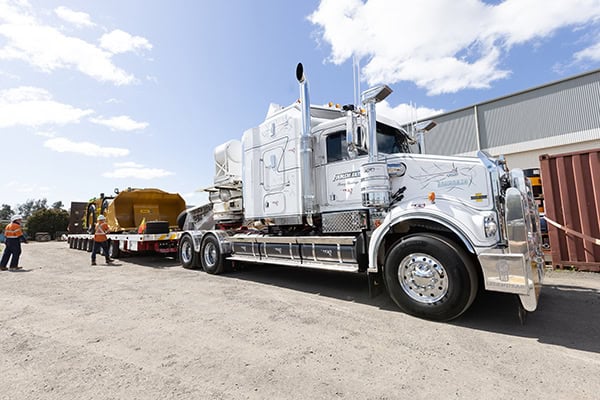
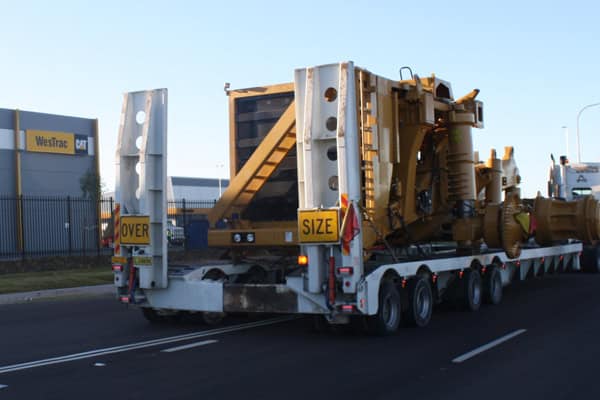
WesTrac is the exclusive dealer of Caterpillar equipment in WA, NSW and the ACT operating from 30 branches within these territories. The key industries serviced by WesTrac fall under Mining, Construction, Energy and Infrastructure. As of 30 June 2026, WesTrac employed approximately 4,600 people including team members on common law contracts, enterprise bargaining agreements, and through labour hire arrangements. With a large geographical footprint and a diverse client base, WesTrac provides customers with a wide range of Caterpillar earth moving machinery and construction equipment, including and comprehensive whole-of-life management solutions. SITECH (WA) Pty Ltd and SITECH Solutions Pty Ltd are authorised dealers of Trimble equipment in WA and in NSW & ACT, respectively.
Supply Chain
The majority of goods procured by the WesTrac Group are sourced from Caterpillar for resale and include heavy machinery and components for construction and mining applications. Caterpillar is a global group headquartered in the USA with manufacturing operations in multiple countries. The WesTrac Group’s non-Caterpillar supplier base falls into the following categories: Maintenance and Repair Services, Industrial Consumables, Information Technology, Corporate Services, Logistics and Freight and Labour Hire Services. Goods sourced from non-Caterpillar suppliers include items used to modify, service, or maintain Caterpillar equipment such as fire suppression systems, lubrication systems, lighting solutions, communication equipment, technological solutions, hardware, and operational consumables.
Goods are also procured to support business operations including tooling, stationery, clothing, merchandise, IT, and communication hardware. Additionally, suppliers are engaged to perform installations and modifications to Caterpillar and other equipment at WesTrac Group branches as needed.
Modern Slavery Risk in Operations and Supply Chain
Operations Risk
TThe WesTrac Group assessed its modern slavery risk within its direct operations as low due to the application of Australian workplace laws, enterprise agreements, employee policies and established recruitment practices.
90.8% of WesTrac’s workforce is employed directly by WesTrac in accordance with Australian laws, applicable modern awards, and enterprise agreements. 9.2% of WesTrac’s workforce is engaged indirectly through labour hire and contract service providers.
While the residual risk within the WesTrac Group’s direct operations is assessed as low, WesTrac recognises that labour hire arrangements and contracted service providers may present a higher inherent risk due to reduced visibility of employment practices. WesTrac continues to monitor these arrangements through established procurement, onboarding and supplier management processes.
Supply Chain Risk
The modern slavery risk associated with goods sourced from Caterpillar and Trimble is assessed as being low due to the stringent controls that Caterpillar and Trimble have in place. Caterpillar has undergone its own due diligence to investigate modern slavery risks in its supply chain and has published a Human Rights Policy and Modern Slavery Statement. Trimble has published a Modern Slavery and Human Rights Statement outlining actions taken to prevent forced labour, child labour, human trafficking, and modern slavery.
The WesTrac Group assessed the residual risk of modern slavery within its operations and supply chain as low. However, the WesTrac Group recognises that certain procurement categories, including electronics, uniforms and PPE, and labour-intensive services and imported manufactured goods may present higher inherent modern slavery risks due to the complexity of global supply chains and labour practices. These categories remain an area of ongoing focus for supplier engagement and monitoring activities.
Actions Taken by WesTrac to Assess and Address Modern Slavery Risks
Supplier Interactions
During FY26, the WesTrac Group continued to strengthen its approach to identifying and managing modern slavery risks within its operations and supply chain. Activities undertaken during the reporting period included:
- Implementation for newly onboarded suppliers to provide modern slavery statements, related documentation and provide information regarding insight of their own supply chain through the supplier onboarding process.
- Ongoing application of modern slavery contractual obligations through supplier agreements.
- Distribution of Self-Assessment Questionnaires of higher-risk procurement categories, including Auto Electrical and Air Conditioning parts and services, encompassing electronics, wiring harnesses, automotive components, and imported electrical equipment.
Supplier responses demonstrated an awareness of modern slavery obligations and the existence of policies, controls and processes designed to identify and manage modern slavery risks within their operations and supply chains.
Supplier Contract Controls
WesTrac’s standard terms and conditions for the purchase of goods and services include various covenants and warranties regarding modern slavery risk. Suppliers are required to warrant that they have thoroughly investigated their labour practices, and those of their direct suppliers, to ensure there is no modern slavery within their supply chains. WesTrac has confidence in compliance by having the right to audit suppliers.
Governance
WesTrac maintains a governance framework designed to support ethical business conduct, protect human rights and address the risk of modern slavery within its operations and supply chain. The framework establishes clear expectations for employees, contractors and suppliers and supports the identification, reporting and remediation of modern slavery risks. Oversight of modern slavery activities is provided through WesTrac’s Modern Slavery Steering Committee, which monitors ongoing initiatives and opportunities for continuous improvement.
-
Key elements of WesTrac’s governance framework include:
-
-
- Code of Conduct Policy – outlines the standards of behaviour expected of all employees and business representatives.
- Supplier Code of Conduct Policy – communicates WesTrac’s expectations regarding ethical business practices, labour standards and human rights.
- Modern Day Slavery Policy – establishes requirements for identifying, reporting and responding to suspected modern slavery risks or incidents.
- Modern Slavery Steering Committee – provides oversight of modern slavery initiatives, reviews emerging risks and monitors the effectiveness of actions undertaken by the business.
Employee Training
WesTrac continued to promote awareness of modern slavery risks through the application of knowledge and practices established through training completed in previous years. Modern slavery awareness remains an important component of WesTrac’s procurement and supplier management activities, with additional awareness and training opportunities being rolled out by WesTrac’s Learning and Development Team in the second half of 2026.
Reporting and Remediation
WesTrac has a clear process for reporting and remediating modern slavery within its supply chain, supported by WesTrac’s Modern Day Slavery Policy.
Any person who suspects any form of modern slavery is to report the incident to WesTrac’s General Manager of Risk, Safety, and Security. If a modern slavery risk or incident were identified, WesTrac would seek to work collaboratively with affected parties, suppliers and relevant stakeholders to remedy adverse impacts and implement measures to prevent recurrence.
Anonymous and external reporting is available should the reporting party desire anonymity through RightCall, which is WesTrac’s external whistle-blower reporting hotline. Any submission received by RightCall is investigated independent of WesTrac and SGH.
Ongoing Monitoring and Supplier Engagement
WesTrac recognises that effective management of modern slavery risks requires ongoing engagement with suppliers throughout the supplier lifecycle. In addition to due diligence activities undertaken during supplier onboarding, WesTrac continues to monitor supplier compliance with its ethical expectations and modern slavery requirements. These activities assist WesTrac in identifying potential areas of risk, maintaining visibility across its supply chain and supporting continuous improvement in supplier governance.
As part of its supplier onboarding and monitoring activities, WesTrac:
- Collects supplier modern slavery statements where applicable.
- Requires suppliers to declare compliance with relevant modern slavery obligations.
- Reviews supplier information to identify potential modern slavery risk indicators.
- Maintains records to support ongoing supplier monitoring and risk assessment activities.
Assessing Effectiveness of WesTrac Actions
WesTrac assesses the effectiveness of its modern slavery program through review of supplier assessment responses, supplier onboarding controls, contractual compliance measures, incident reporting mechanisms and ongoing review by the Modern Slavery Steering Committee. Outcomes from these activities are used to identify opportunities for continuous improvement and inform future priorities.
No reports or identified instances of modern slavery were received through WesTrac’s reporting channels during FY26.
Consultation
Representatives from procurement, legal, risk, safety, security and business operations were consulted in the preparation of this statement to assess modern slavery risks and validate the information contained within the statement
Further Information
For further information regarding WesTrac’s Modern Slavery Statement and actions please contact WesTrac’s Company Secretary.
Board Approval
This statement was approved by the board of WesTrac Pty Ltd on Wednesday, 28 October 2026.
Jarvas Croome
Director and Chief Executive Officer
Date: Wednesday, 28 October 2026.
 1300 881 064
 FIND A BRANCH
 DIGITAL TOOLS