1300 881 064
  FIND A BRANCH
 DIGITAL TOOLS









Photos
FM528 GF/FM528 LL
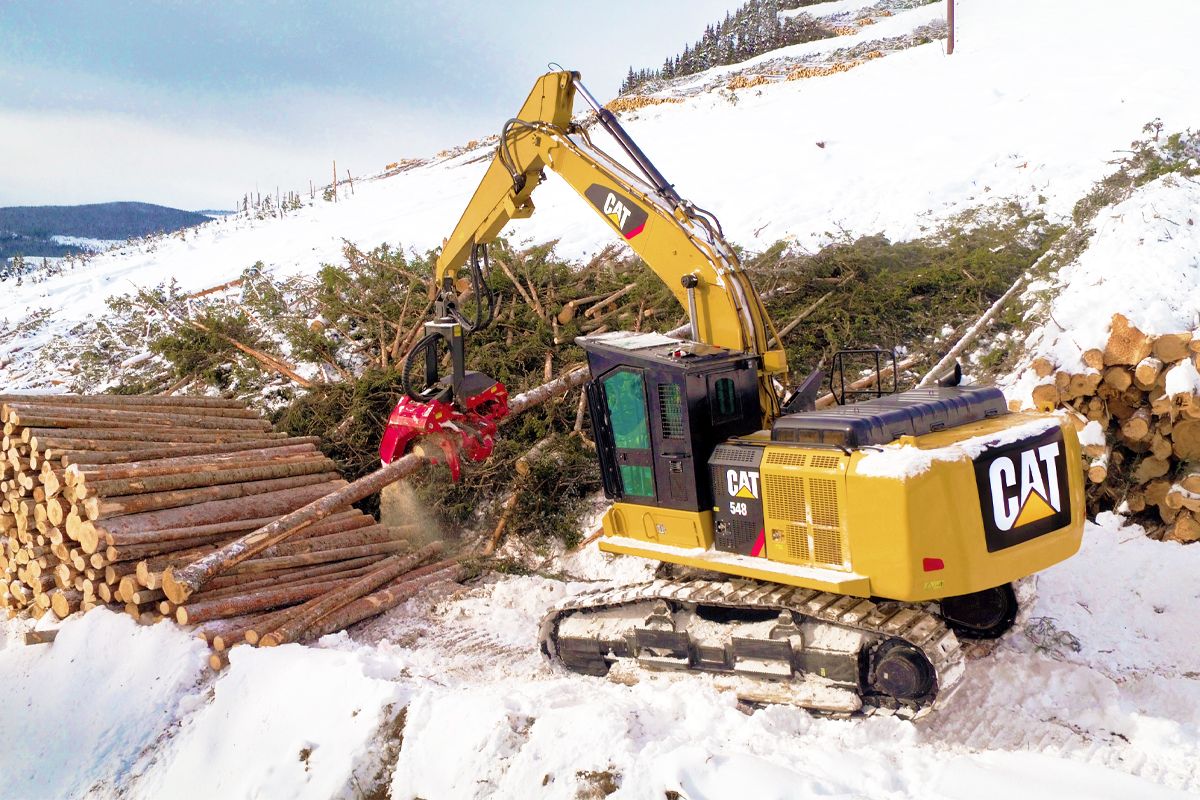
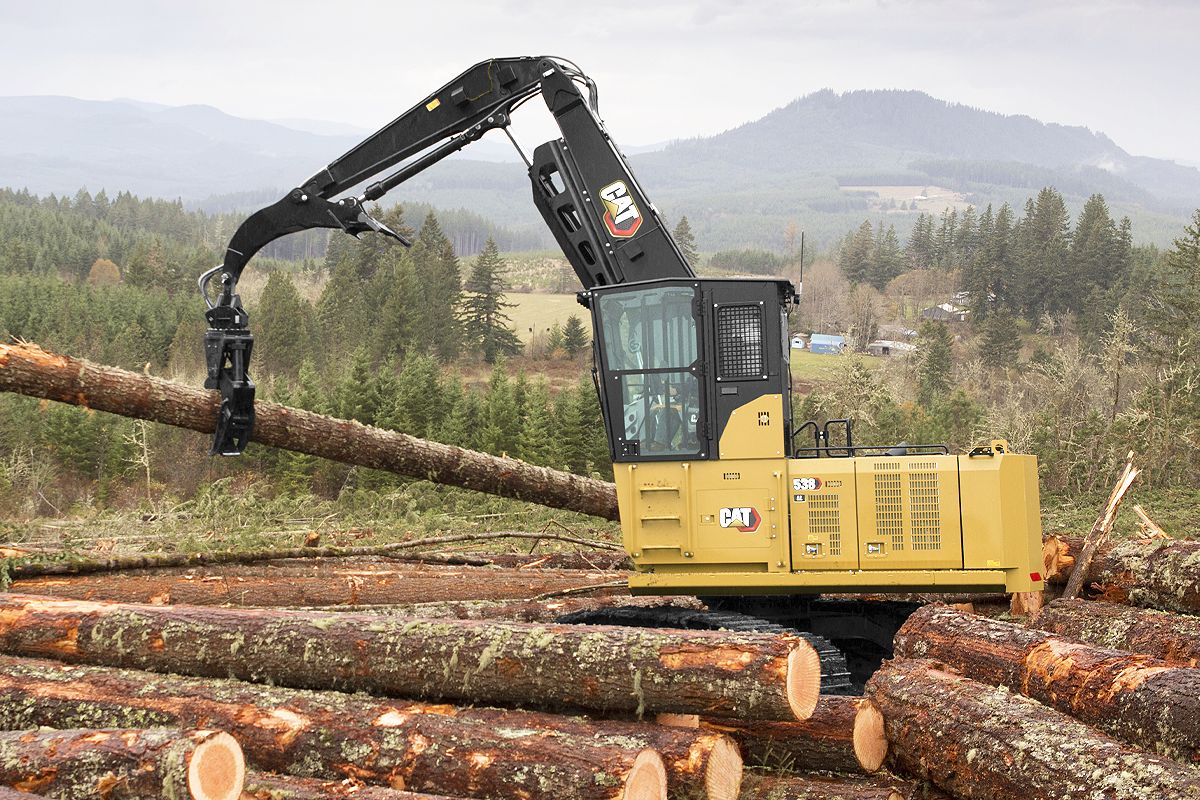
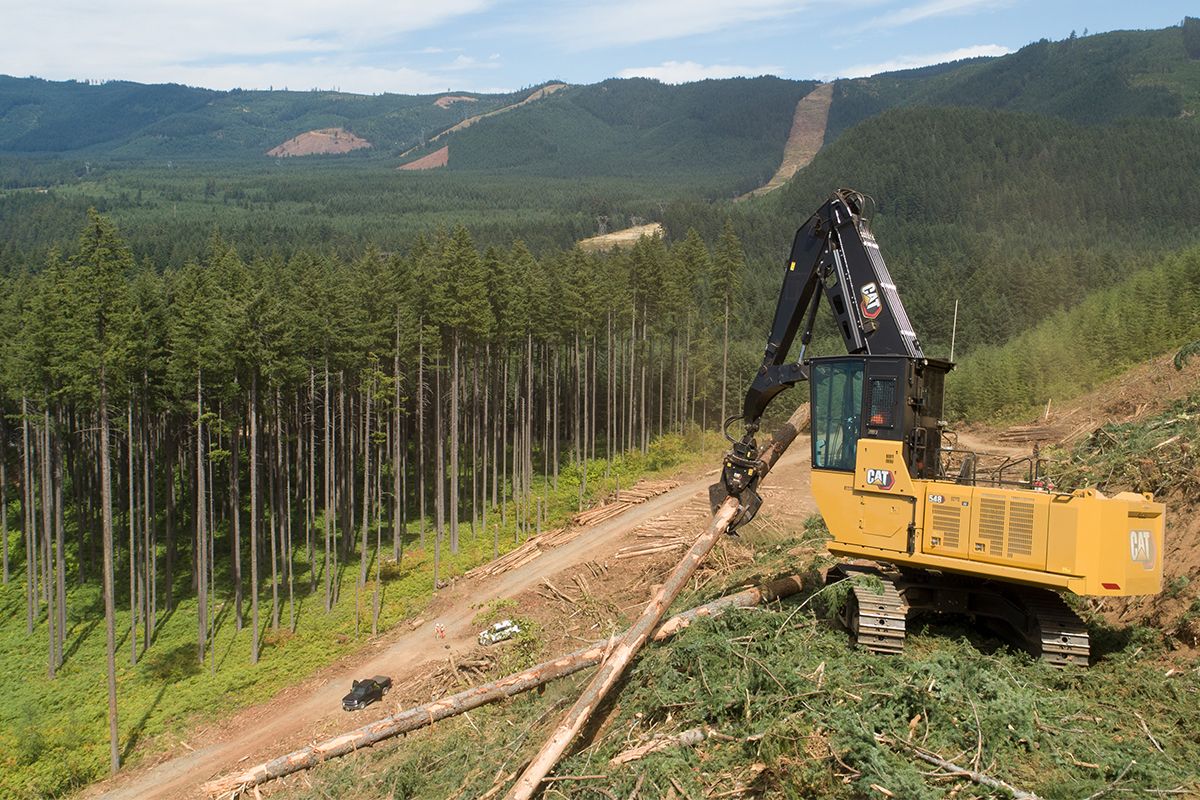
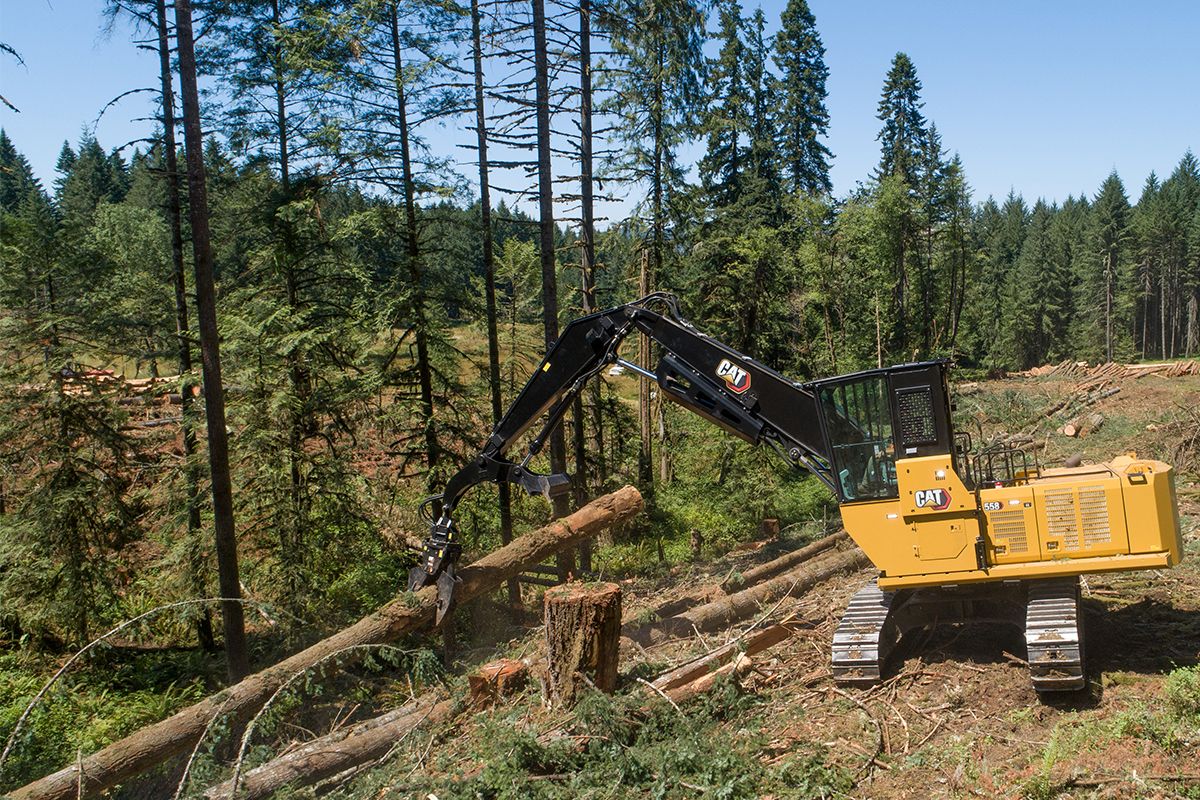
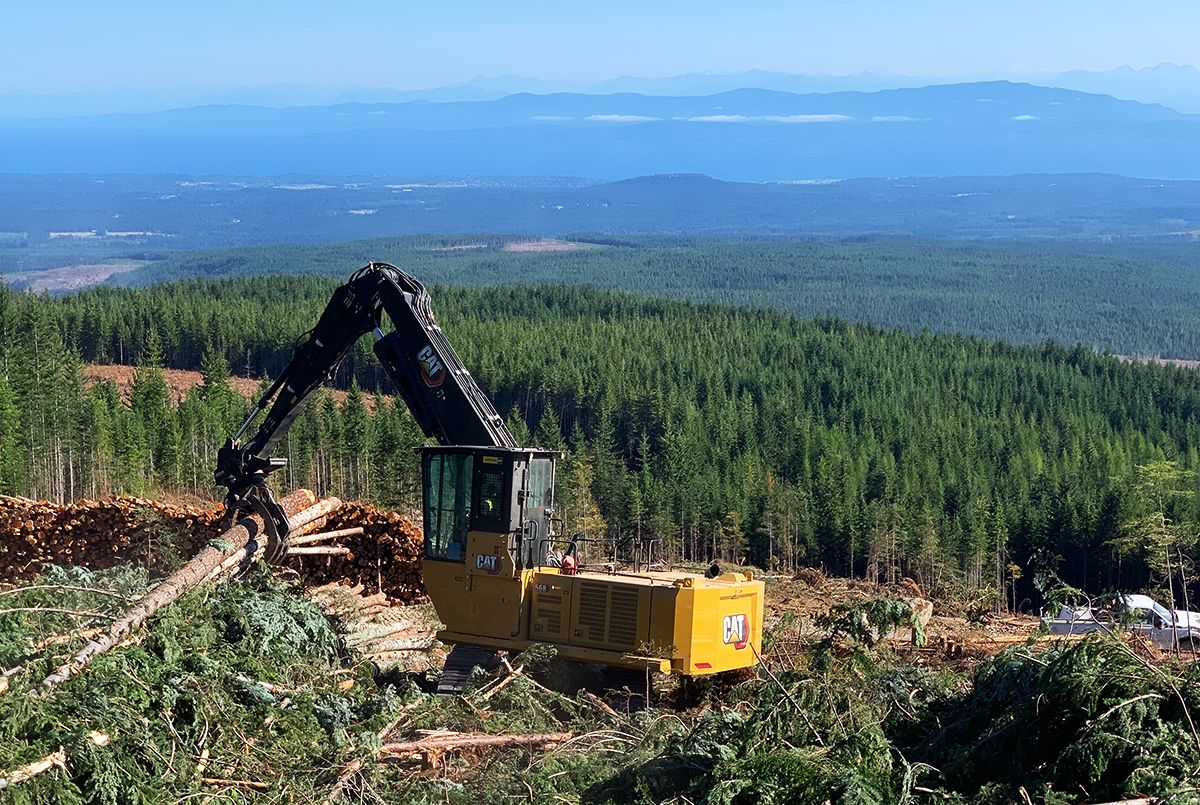
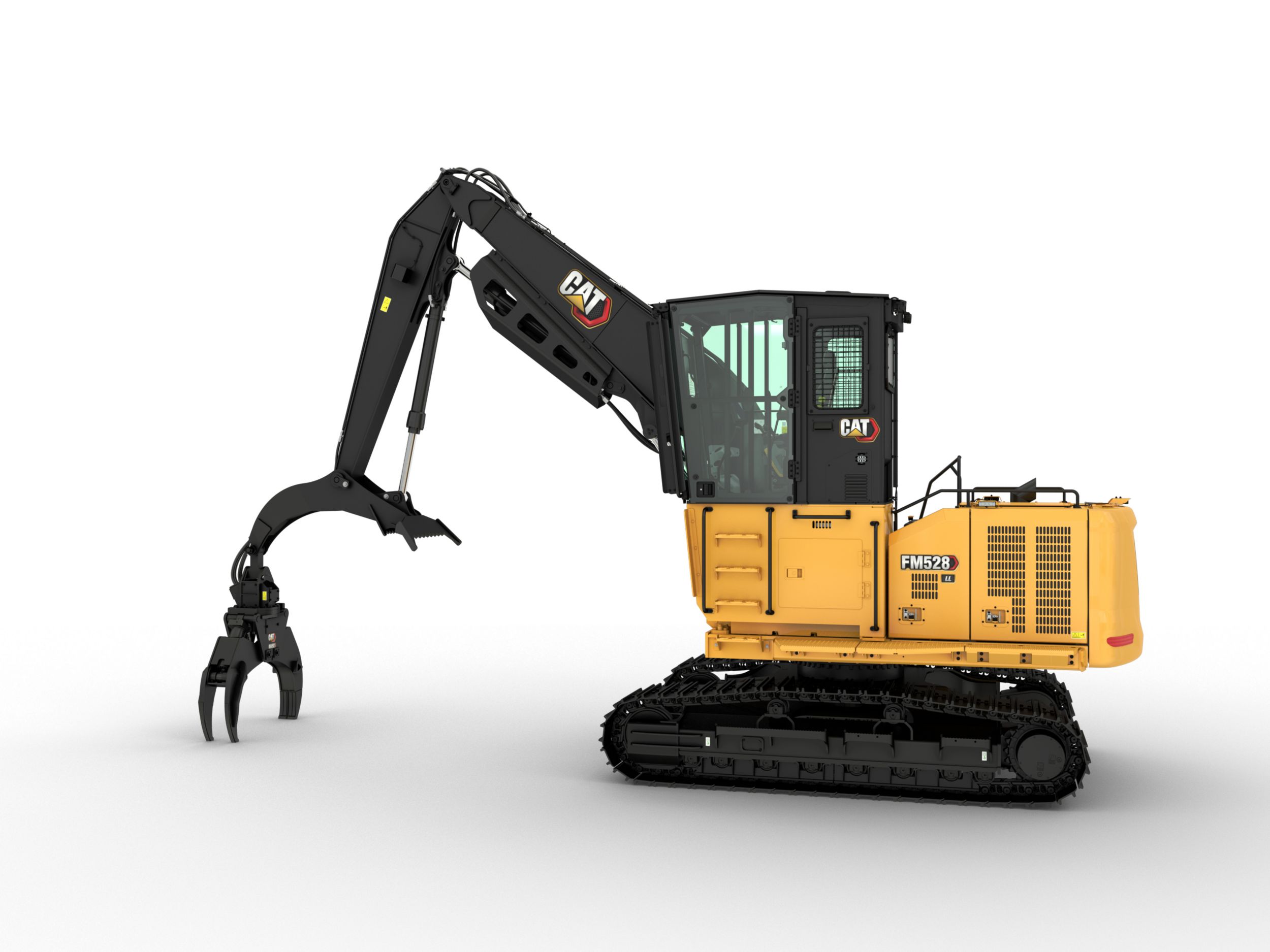
A handy addition to any fleet, the FM528 is the first Cat Forest machine to offer a fixed or live heel or blade option for versatile application.
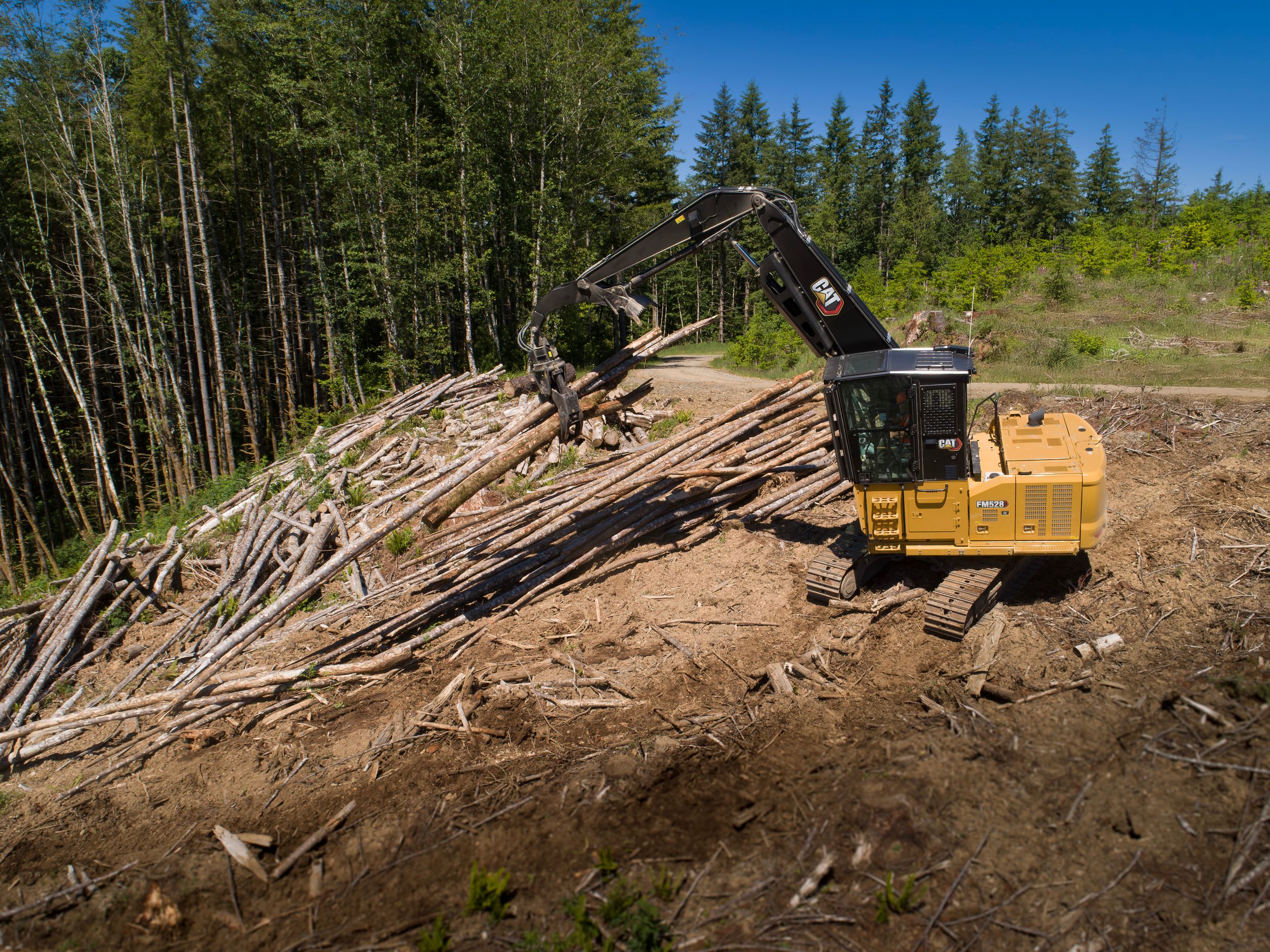
The Cat® C4.4 173 hp (129kW) engine and electrohydraulic system help drive fuel reduction and enable high-performance responses within the system to optimize operations.
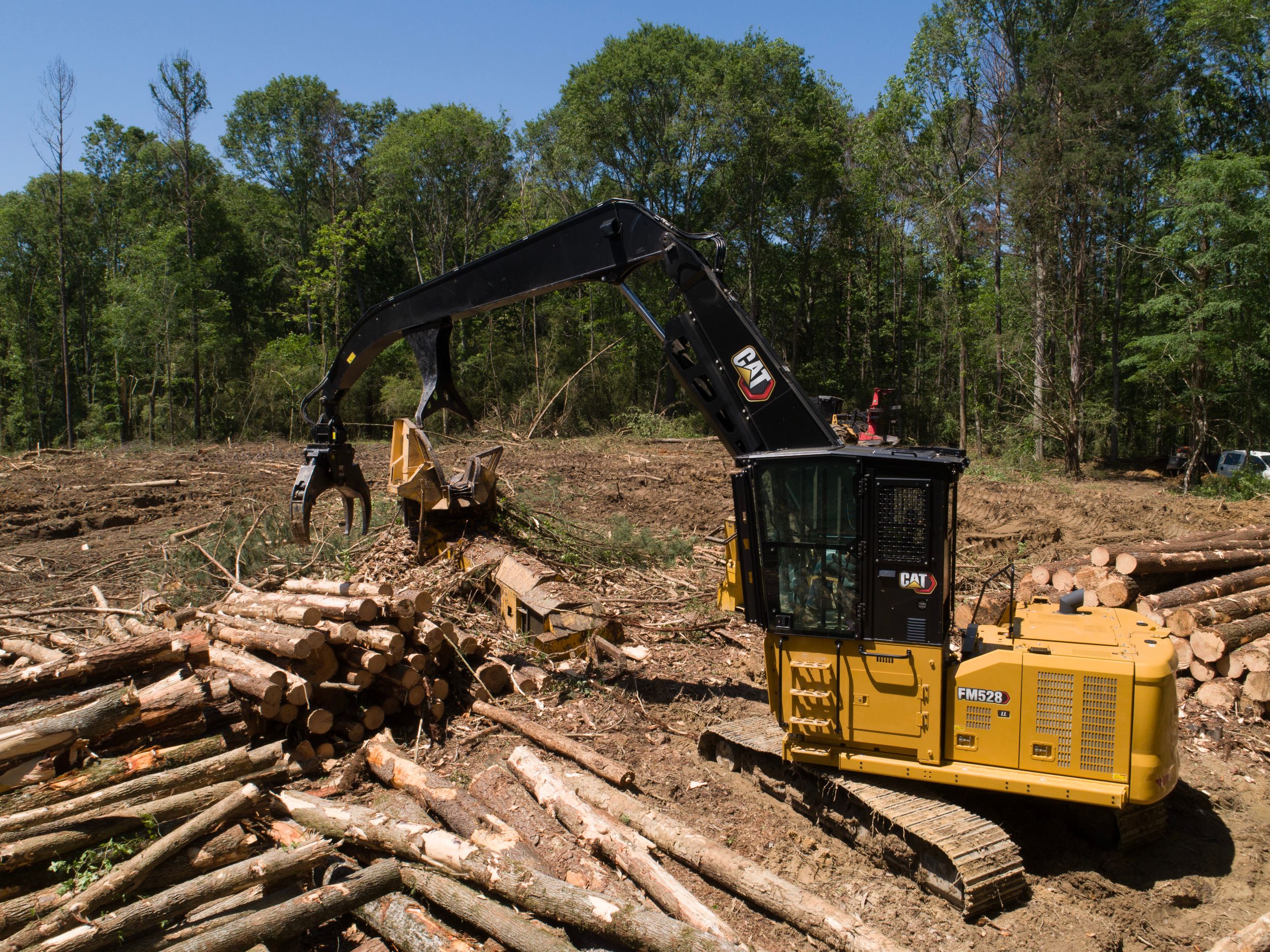
This multi-configuration machine has options for a processor, roadbuilder, log loader, and knuckleboom loader controls. It can go to work in the woods or the millyard to boost productivity and profitability.
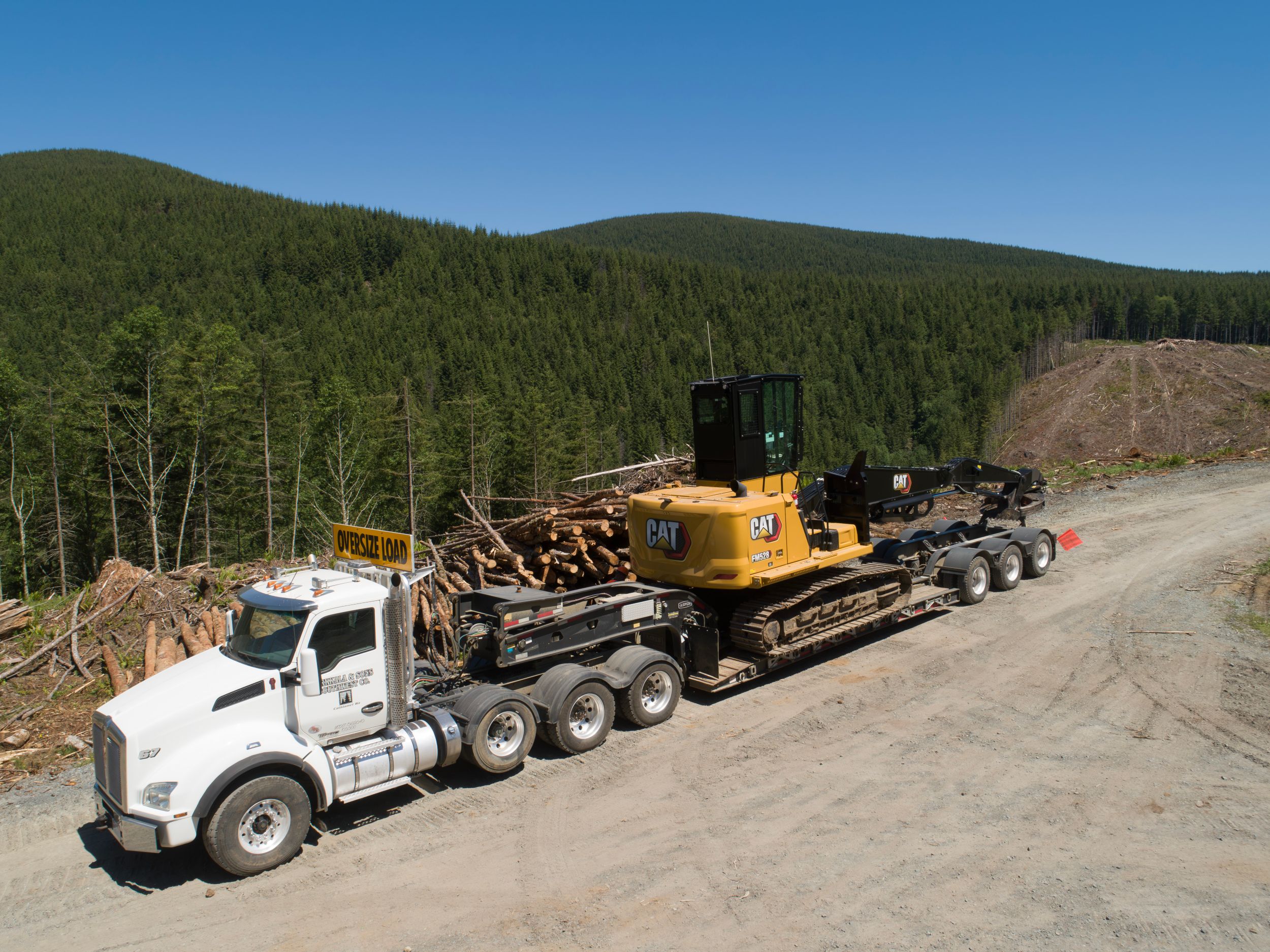
The narrow, high, long undercarriage allows easy transport and in-wood travel between worksites and improves productivity.
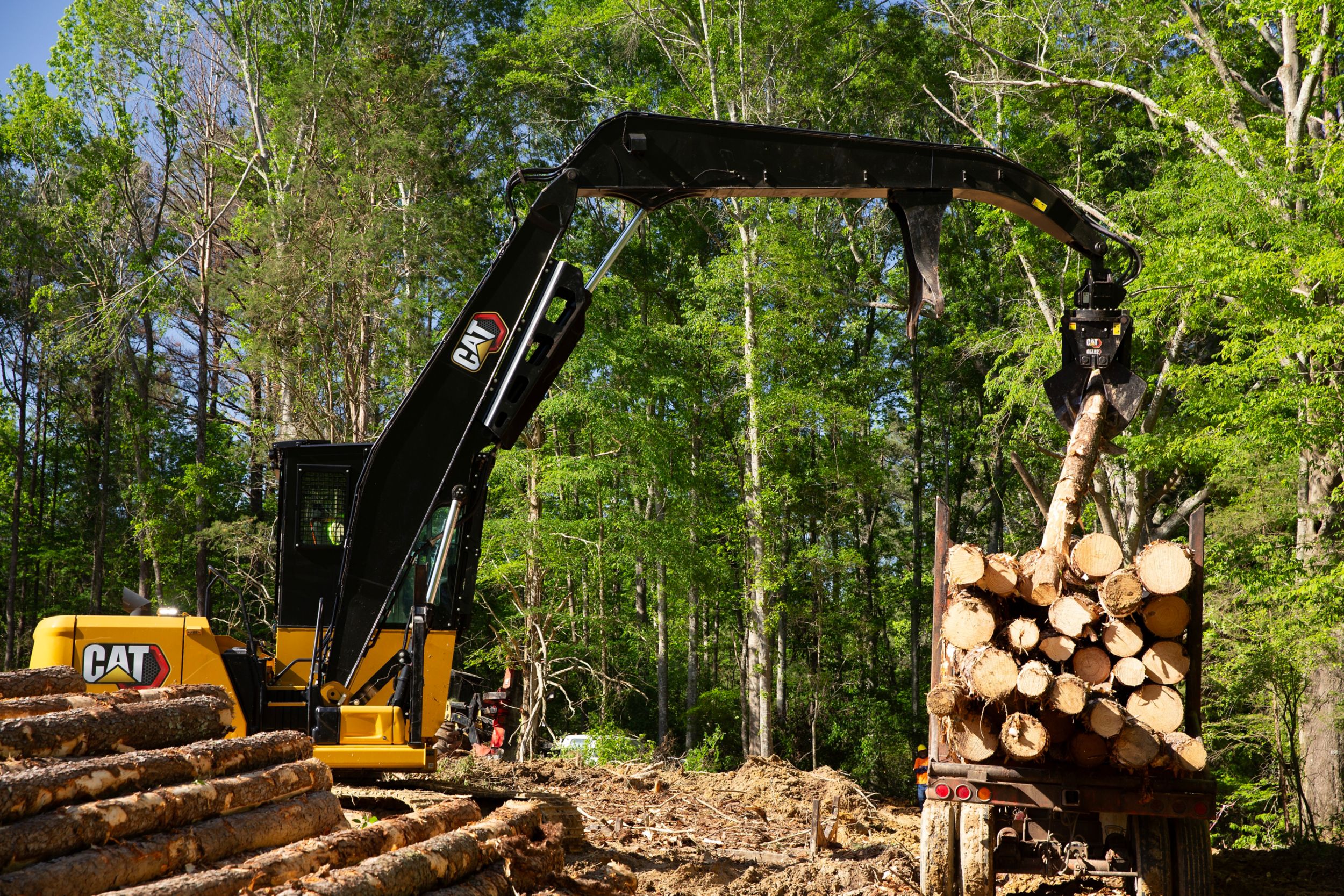
The certified side-entry Forestry ROPS cab is engineered for operator safety and features a wide door and a tilt-up armrest. A 32mm (1.25”) polycarbonate front safety window and smaller cab pillars enhance jobsite and work task visibility.
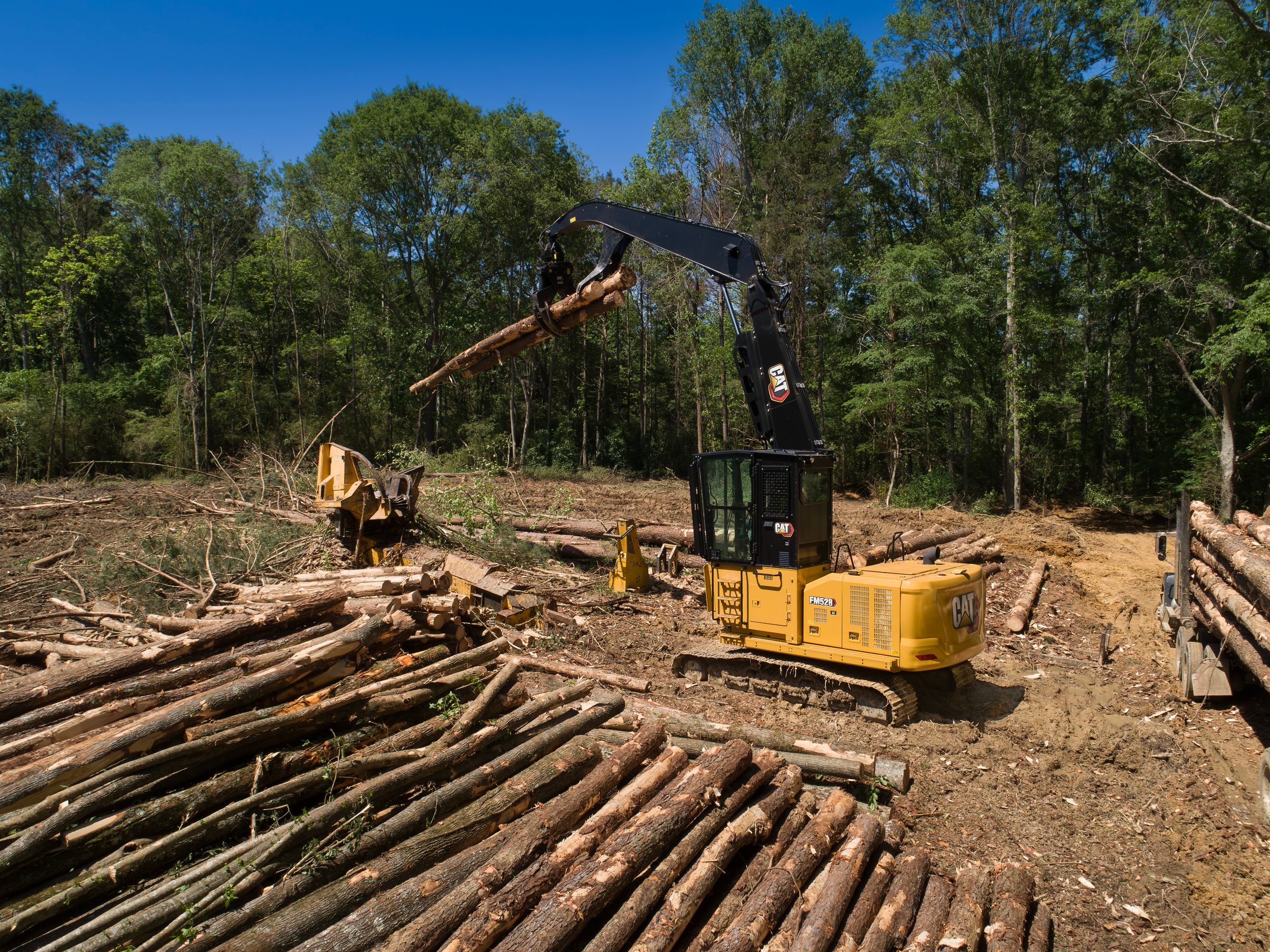
The efficient engine and hydraulic system cooling E-Fans with reverse capability improve engine efficiency by controlling engine temperatures.
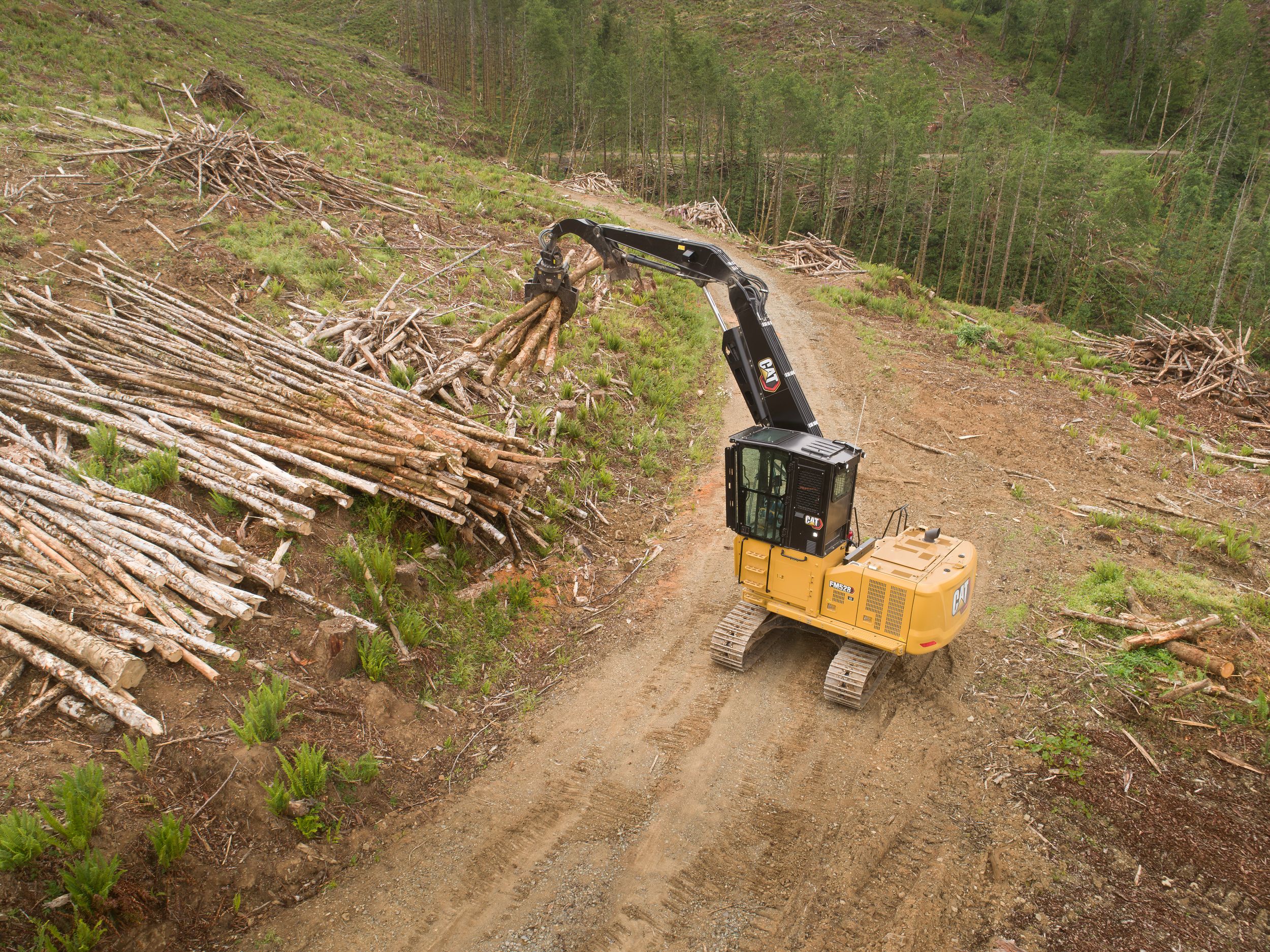
Cat® Long-life fuel and hydraulic oil filters with extended service intervals reduce maintenance costs.
Videos
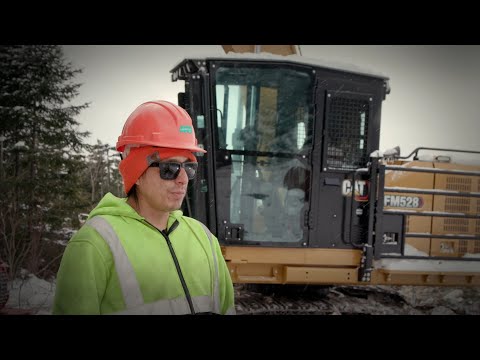
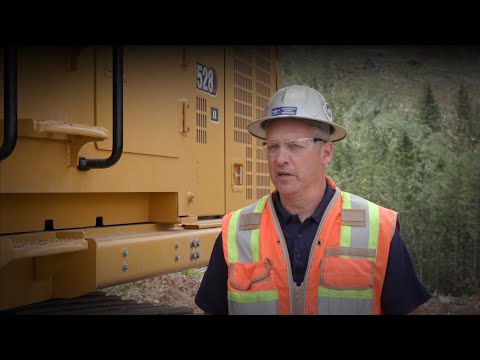
FM528 GF/FM528 LL
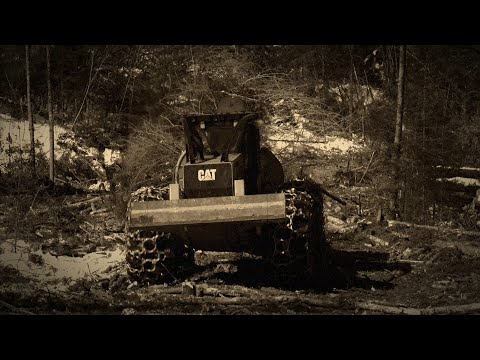
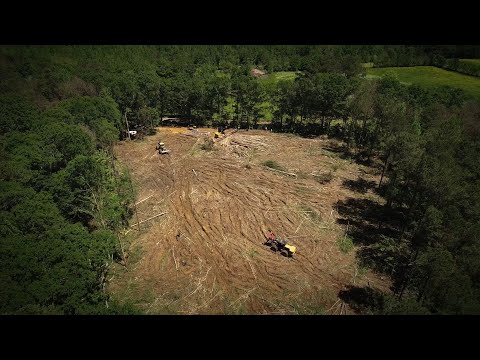
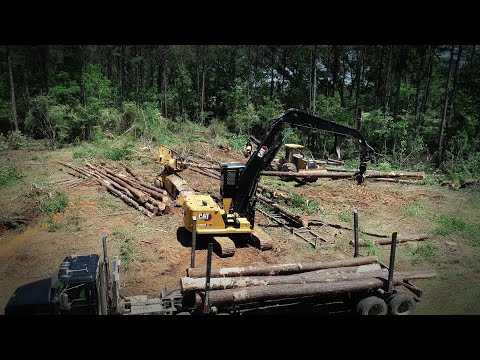


360º View
FM528 GF/FM528 LL
FM528 GF/FM528 LL
Forest Machines
The Cat® FM528 handles clearing, mulching, and timber with stability and comfort. VisionLink™ and Cat forestry tools boost uptime, backed by dealer service and parts support.
Engine Model
Cat C4.4
Net Power - ISO 9249
170 hp/127 kW
Engine Power - ISO 14396
173 hp/129 kW
Net Power - ISO 9249 (DIN)
173 hp (metric)/173 hp (metric)

Key Features
Latest Features 

Take the Guesswork Out of Managing Your Equipment
Superior Performance
Unmatched Operator Comfort
Simple Operation
Versatile Configurations
Easy Maintenance
Safely Home Every Day
Attachments
Sustainability
Specifications
Metric
|
Imperial
Engine 

Engine Model
Cat C4.4
Net Power - ISO 9249
170 hp
127 kW
Engine Power - ISO 14396
173 hp
129 kW
Net Power - ISO 9249 (DIN)
173 hp (metric)
173 hp (metric)
Engine Power - ISO 14396 (DIN)
175 hp (metric)
175 hp (metric)
Bore
4 in
105 mm
Stroke
5 in
127 mm
Displacement
269 in³
4.4 l
Biodiesel Capability
B20¹
Emissions
Meets U.S. EPA Tier 4 Final, EU Stage V, and Japan 2014 emission standards.
Note (1)
Net power advertised is the power available at the flywheel when the engine is equipped with fan, air intake system, exhaust system, and alternator with engine speed at 2,200 rpm. Advertised power is tested per the specified standard in effect at time of manufacture.
Note (2)
¹Cat diesel engines are required to use ULSD (ultra-low sulfur diesel fuel with 15 ppm of sulfur or less) and are compatible* with ULSD blended with the following lower-carbon intensity fuels** up to: 20% biodiesel FAME (fatty acid methyl ester)*** 100% renewable diesel, HVO (hydrotreated vegetable oil) and GTL (gas-to-liquid) fuels Refer to guidelines for successful application. Please consult your Cat dealer or “Caterpillar Machine Fluids Recommendations” (SEBU6250) for details. *While Caterpillar engines are compatible with these alternative fuels, some regions may not allow their use. ** Tailpipe greenhouse gas emissions from lower-carbon intensity fuels are essentially the same as traditional fuels. *** Engines with no aftertreatment devices are compatible with higher blends, up to 100% biodiesel (for use of blends higher than 20% biodiesel, consult your Cat dealer).
Drive
Maximum Travel Speed
3.5 mile/h
5.7 km/h
Maximum Drawbar Pull
45,187 lbf
201 kN
Hydraulic System
Main System - Maximum Flow
113 gpm
429 L/min
Maximum Pressure - Equipment
5076 psi
35000 kPa
Maximum Pressure - Equipment - Lift Mode
5511 psi
38000 kPa
Maximum Pressure - Travel
5076 psi
35000 kPa
Maximum Pressure - Swing
3989 psi
27500 kPa
Swing Mechanism
Swing Speed
11 r/min
11 r/min
Maximum Swing Torque
60,480 lbf·ft
82 kN·m
Weights
General Forestry
59,700 lb
27100 kg
Note (1)
High long undercarriage (High LC), 165 mm (6.5") fixed riser side entry cab (SEC) 5.7 m (18'7") reach boom, R3.7 m (12’2”) drop nose stick, 700 mm (28”) double grouser (DG) shoes, no processor head
Log Loader (U/U)
63,300 lb
28700 kg
Note (2)
High LC, 1219 mm (48") tilting riser SEC, 5.9 m (19’6”) straight boom, 3.5m (11'6") u/u stick with live heel, 700mm (28") double grouser (DG) shoes, no grapple
Forestry Road Builder
62,170 lb
28200 kg
Note (3)
High LC, 165 mm (6.5”) fixed riser SEC, 5.7 m (18'7") reach boom, R2.9 (9'7") thumb ready stick, 700mm (28") double grouser shoes, 1.2 m³ (1.6 yd³) HD bucket.
Log Loader (MH Stick)
63,050 lb
28600 kg
Note (4)
High LC, 1219 mm (48") tilting riser SEC, 5.9 m (19’6”) Straight boom, 5.8 m (19') drop nose log loader stick, 700mm (28") double grouser shoes, no grapple
Service Refill Capacities
Fuel Tank
91.1 gal (US)
345 l
Cooling System
6.6 gal (US)
25 l
Engine Oil
4 gal (US)
15 l
Swing Drive
1.3 gal (US)
5 l
Final Drive - Each
1.3 gal (US)
5 l
Hydraulic System - Including Tank
65.6 gal (US)
248 l
Hydraulic Tank
34.1 gal (US)
129 l
DEF Tank
6.9 gal (US)
26 l
Dimensions
Note (1)
General Forestry configuration with High LC, SEC with 165 mm (6.5") fixed riser, 5.7 m (18'7") Reach boom, 2.8 m (9'7") Thumb ready stick, 700 mm (28") double grouser (DG) shoes
Shipping Height - Tilted Cab
11.3 ft
3420 mm
Handrail Height
9.8 ft
2990 mm
Length: General Forestry - Boom Stretched Out
38.3 ft
11690 mm
Length: Log Loader - Boom Stretched Out
44.1 ft
13430 mm
Tail Swing Radius
9.3 ft
2830 mm
Counterweight Clearance
3.4 ft
1040 mm
Ground Clearance for Standard Undercarriage
1.4 ft
435 mm
Ground Clearance for High Undercarriage
2 ft
610 mm
Track Length
14.7 ft
4460 mm
Track Length to Center of Rollers
11.9 ft
3620 mm
Track Gauge
7.8 ft
2380 mm
Transport Width
11 ft
3350 mm
Working Ranges
Max Reach at Stick Nose at Ground Level - General Forestry Road Builder
32.3 ft
9830 mm
Max Reach at Grapple Mount on Heel at Ground Level - Log Loader Under/Under
36 ft
10970 mm
Max Reach at Stick Nose at Ground Level - General Forestry Processor
29.1 ft
8860 mm
Max Reach at Stick Nose at Ground Level – Log Loader MH Stick
38.1 ft
11620 mm
Air Conditioning System
Note (1)
The air conditioning system on this machine contains the fluorinated greenhouse gas refrigerant R134a (Global Warming Potential = 1430). The system contains 2.1 (22" Riser CAB)/2.2 (48"/72" Riser CAB) kg of refrigerant, which as a CO2 equivalent of 3.003/3.146 metric tonnes.
Equipment
Standard Equipment
Optional Equipment

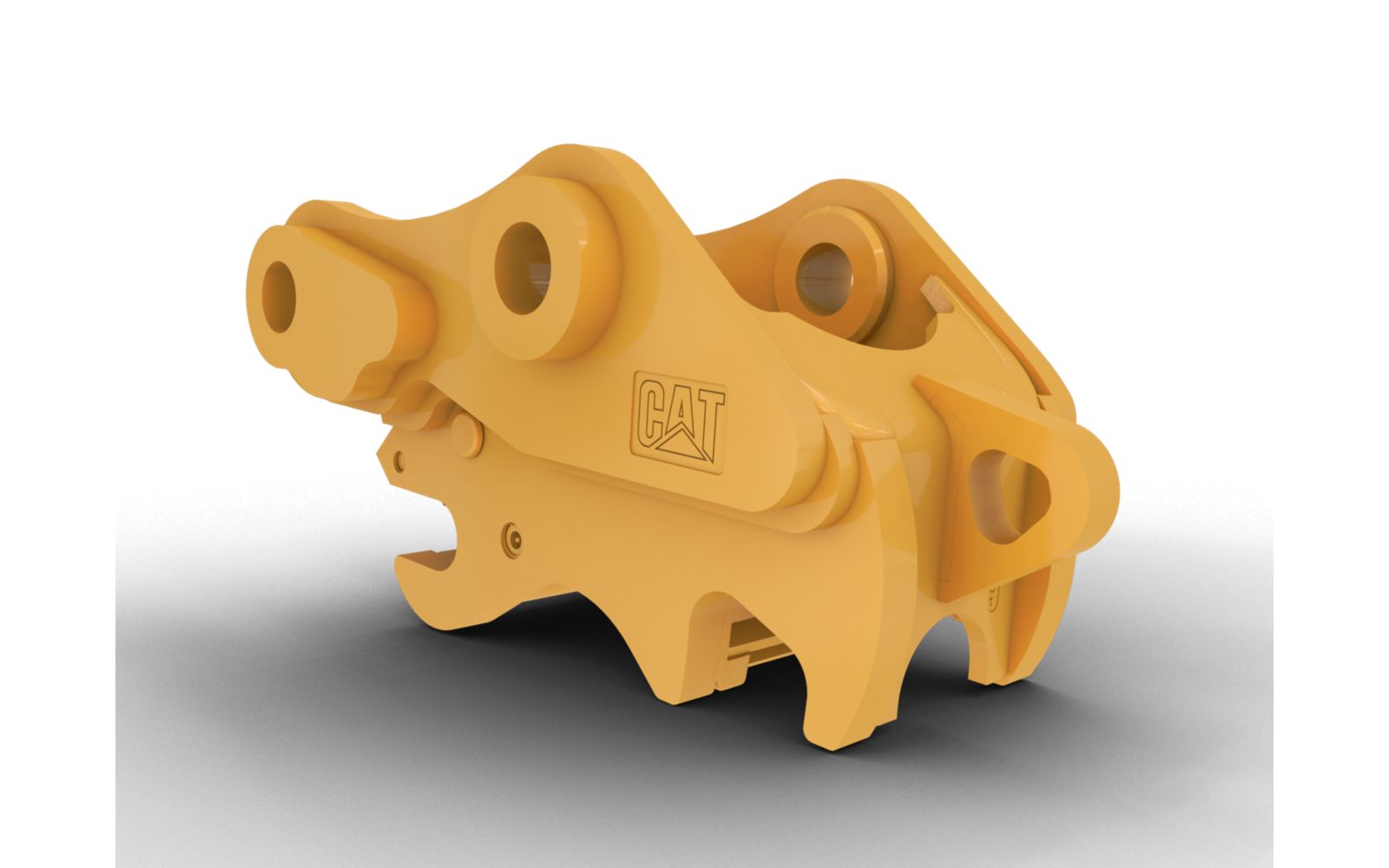
Minimum Carrier Weight
19 ton (US)/19 ton (US)
Maximum Carrier Weight
23 ton (US)/23 ton (US)
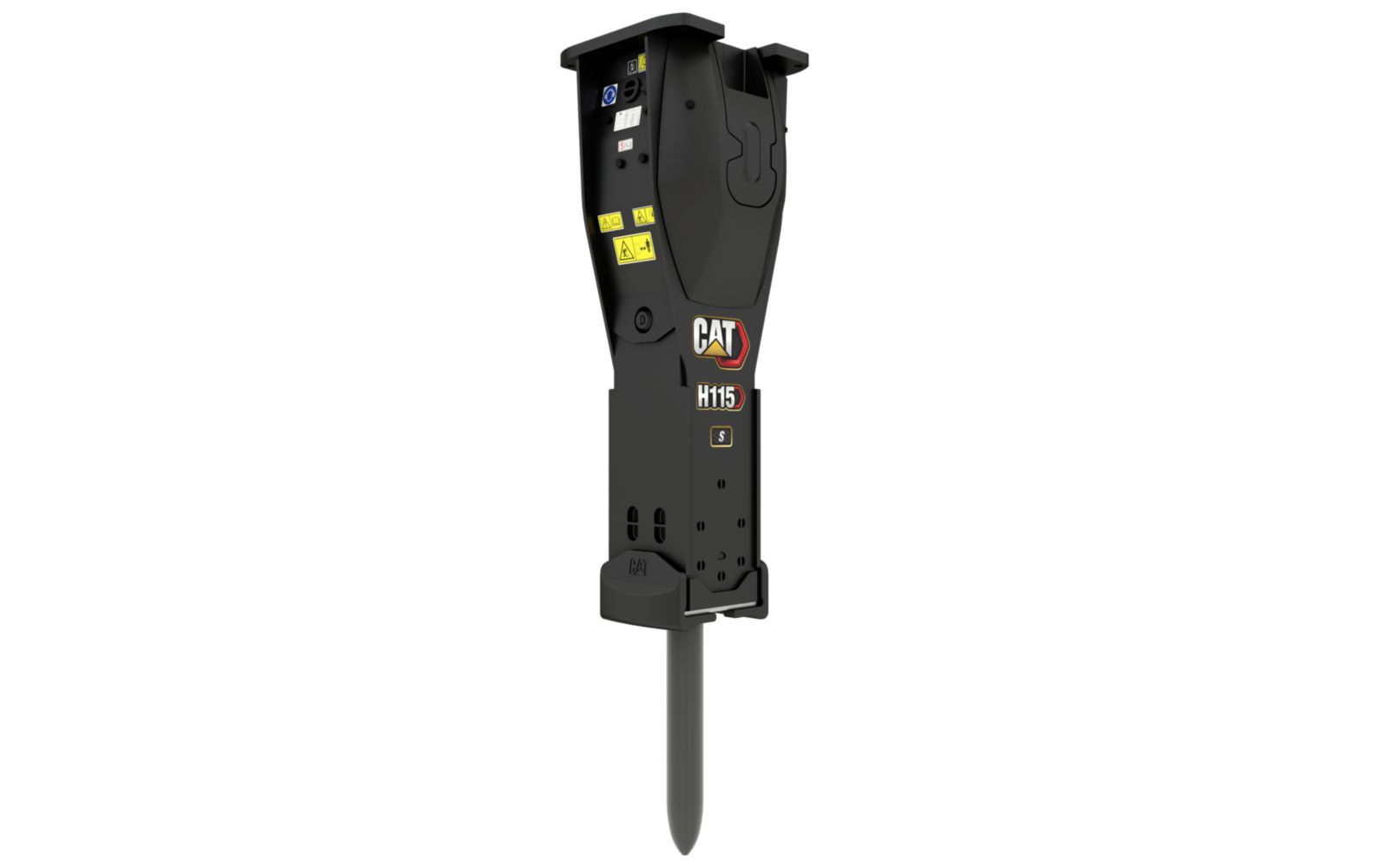
Motor
Variable Torque Hydraulic Piston Motor
Overall Width
77.6 in/1871 mm