1300 881 064
  FIND A BRANCH
 DIGITAL TOOLS









B&J Catalano's legacy is built on evolution and endurance
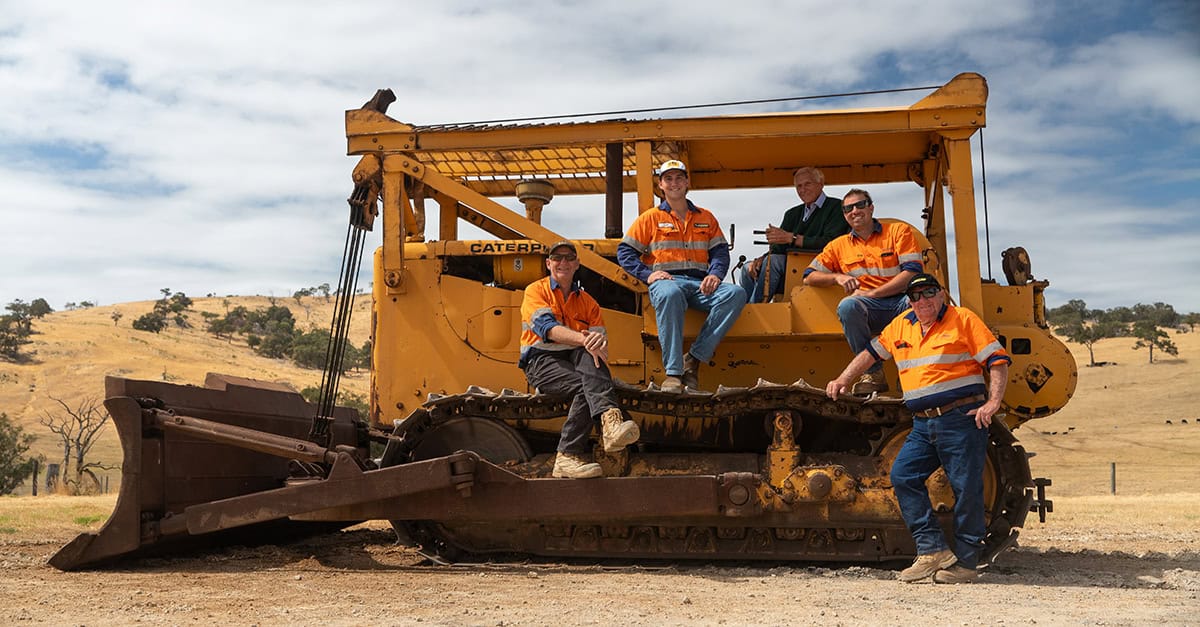
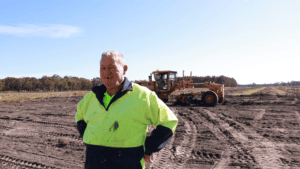
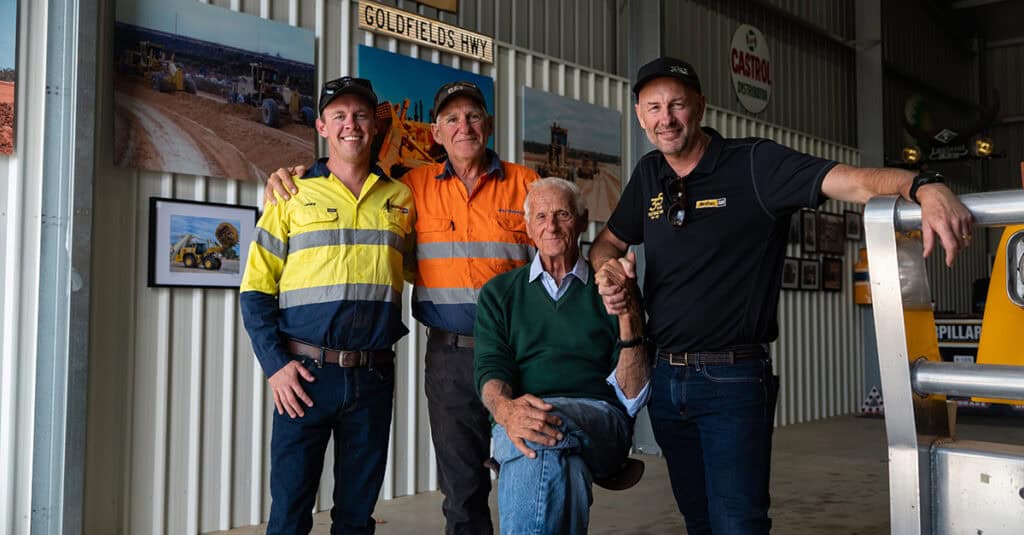
Biaggio Catalano may be 91 years of age, but he doesn’t look it. Known to everyone as simply Bill, the sprightly businessman — the force behind civil contracting, mining services, and transport firm B&J Catalano — still keeps an active hand in the way the company is run, and speaks with an eloquence and alertness that belie his age.
“That’s what hard work does to you. It keeps your brain thinking and it gets your mind on the job, and keeps you young,” he said.
The team from Earthmoving Equipment Magazine caught up with Bill as he spoke to us about the history of the business, and how it grew into the force it is today; and along with it, why it has always depended on a particular brand of machinery.
When Bill and his brother Joe arrived in the Bunbury region in the 1950s — joining older brother Sam, who was in the region transporting milk, the South West was a different place. Roads were rough gravel tracks, farmland was undeveloped, and the infrastructure that modern Western Australians take for granted didn’t exist.
The Catalano brothers came from a hardworking migrant family. Their early years were shaped by days in a market garden and wood yard, where physical labour and mechanical improvisation were part of everyday life. Those formative experiences would define their approach to business: practical, hands-on, forward-moving.
In 1962, Bill and Joe struck out on their own. Their first steps were modest — hauling gravel, transporting milk, and taking on small land-clearing jobs. Several years later youngest brother Michael joined the company and together they started Catalano Grading Company, which he played a major part in.
Government incentives aimed at boosting agricultural productivity triggered a wave of land development across the region. Farmers were encouraged to clear land, fertiliser was subsidised, and suddenly there was more work than two determined brothers could handle.
Bill said land clearing in those early days was as tough as it was transformative.
“Armed initially with basic machinery and single-axle trucks, we began carving farmland out of dense bush,” he said.
“Our first dozer was little more than a wreck; rebuilt over nine months in a small wooden shed before it ever touched soil. But from that moment, the business found its rhythm.”
The pair quickly moved from small-scale clearing to more advanced techniques, such as chaining — a method that involved dragging a chain between two bulldozers to bring down vast stretches of vegetation efficiently. At one point, they were using a chain weighing 10 tonnes, a piece of equipment that revolutionised their productivity and allowed them to meet surging demand.
The work was far from easy.
“In those days there were no air-conditioned cabs: we were working in open cabs amid heat, dust, and the dirt,” Bill said.
“One of the biggest problems when chaining and knocking down maiden timber was the presence of bees as their hives got felled. Some of the drivers could handle them, but when they couldn’t, they would just jump off the dozers.”
However, what emerged from this period wasn’t just cleared land, but a growing reputation. The Catalanos were known for getting the job done, no matter the conditions.
From paddocks to public works
As farmland expanded, so too did the need for infrastructure. Irrigation systems, drainage networks, and roads became essential to support the region’s agricultural boom.
The Catalano brothers were quick to adapt. Within a few years, they had moved beyond clearing into broader earthworks: levelling land, constructing contour banks, and building drainage systems.
Their growing expertise brought them into contact with government agencies, including the Public Works Department and Main Roads Department.
“We were young, enthusiastic, and full of energy,” Bill said.
“We just couldn’t work hard enough. If they wanted us to work 24 hours a day, we’d do it.”
These relationships proved pivotal. By the late 1960s, B&J Catalano was no longer a small rural contractor. The company was supplying materials, building roads, and taking on increasingly complex civil projects.
From there, the trajectory was clear: steady expansion, reinvestment in equipment, and a willingness to take on bigger challenges.
Bill recalls winning a contract with bauxite miner Worsley Alumina as the turning point.
“That was a big project which took us up another notch,” he said. “We had to buy a lot more gear, and became a bit more professional in our operations.”
“We had to improve safety procedures and other requirements, helping to turn the company into what it is today.”
The Caterpillar Connection
Central to that growth story is a brand that has become almost synonymous with the Catalano name: Caterpillar.
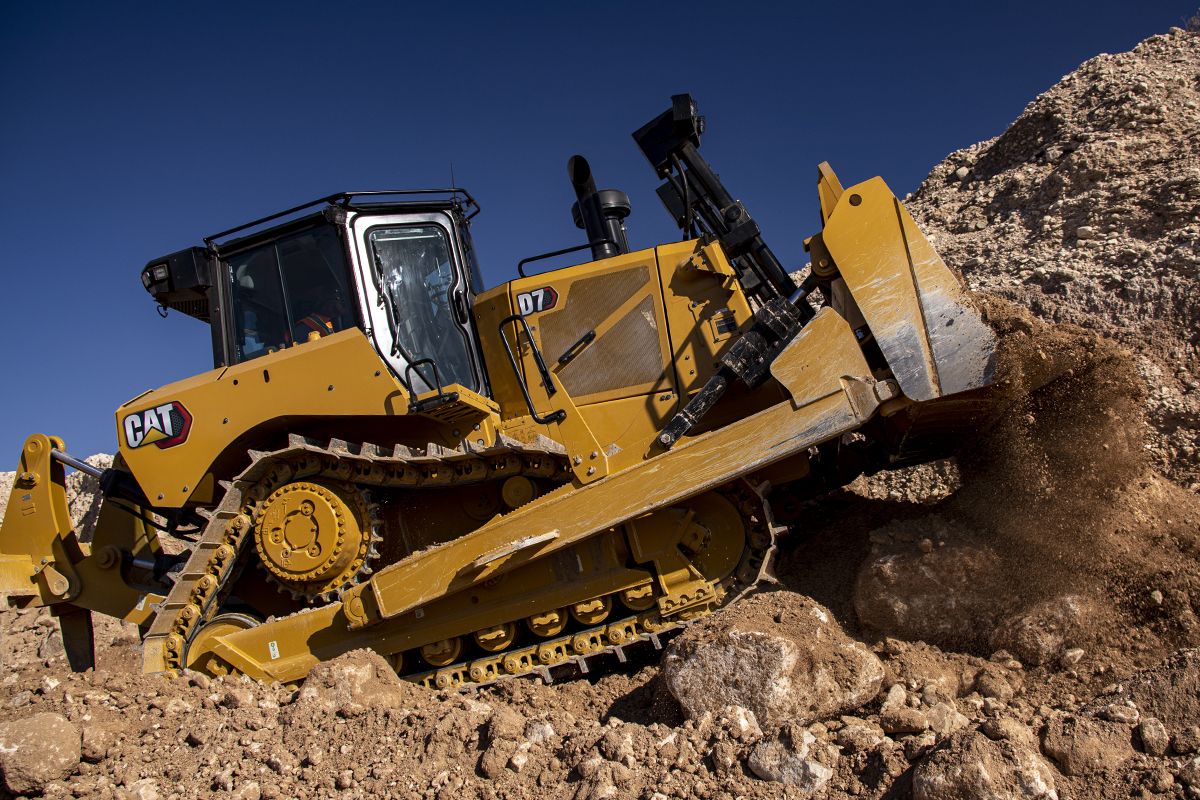
Their first Cat machine, a D7E dozer, arrived in 1963. It was a turning point.
Bill Operates the Cat D7E Dozer
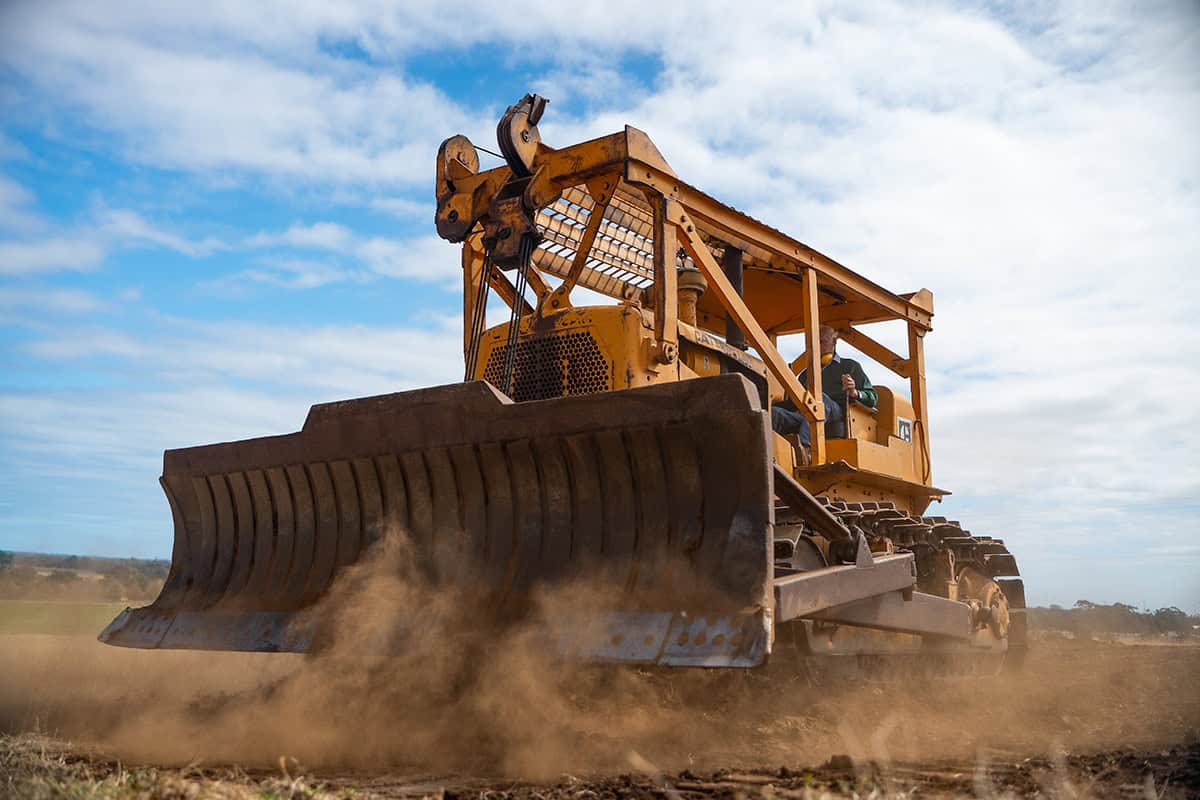
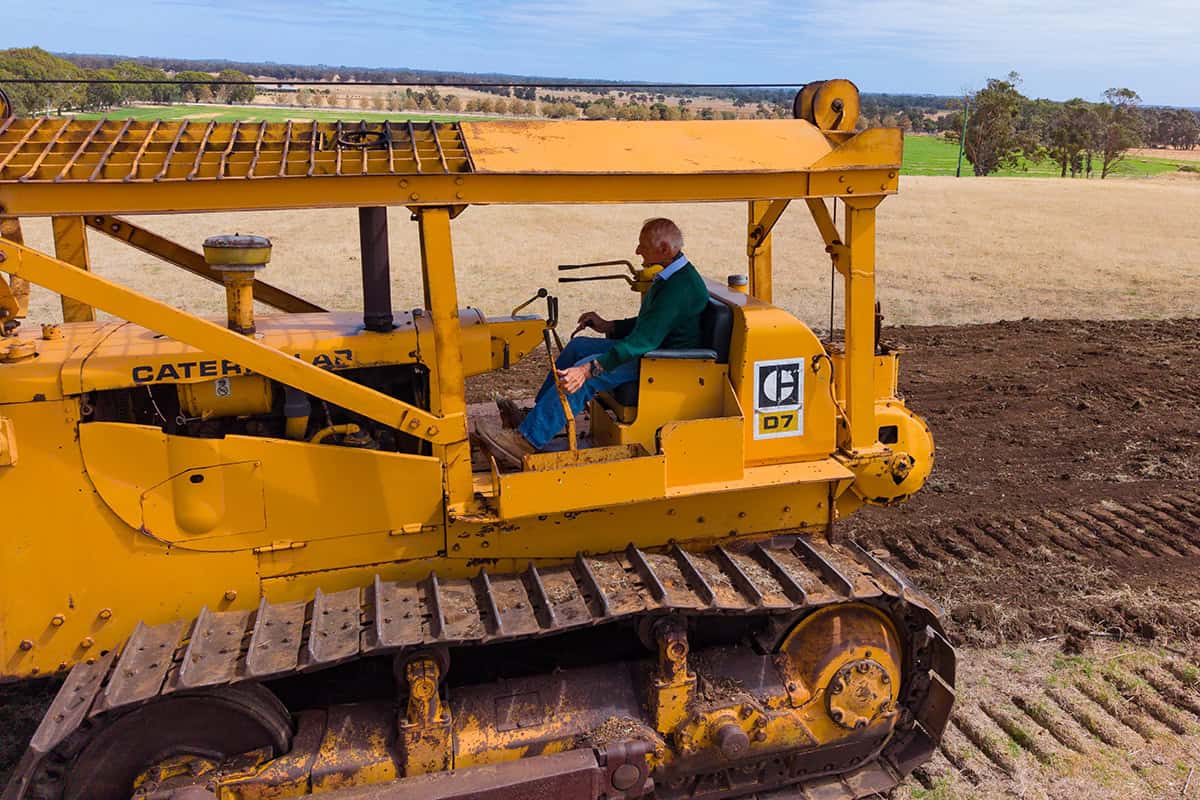
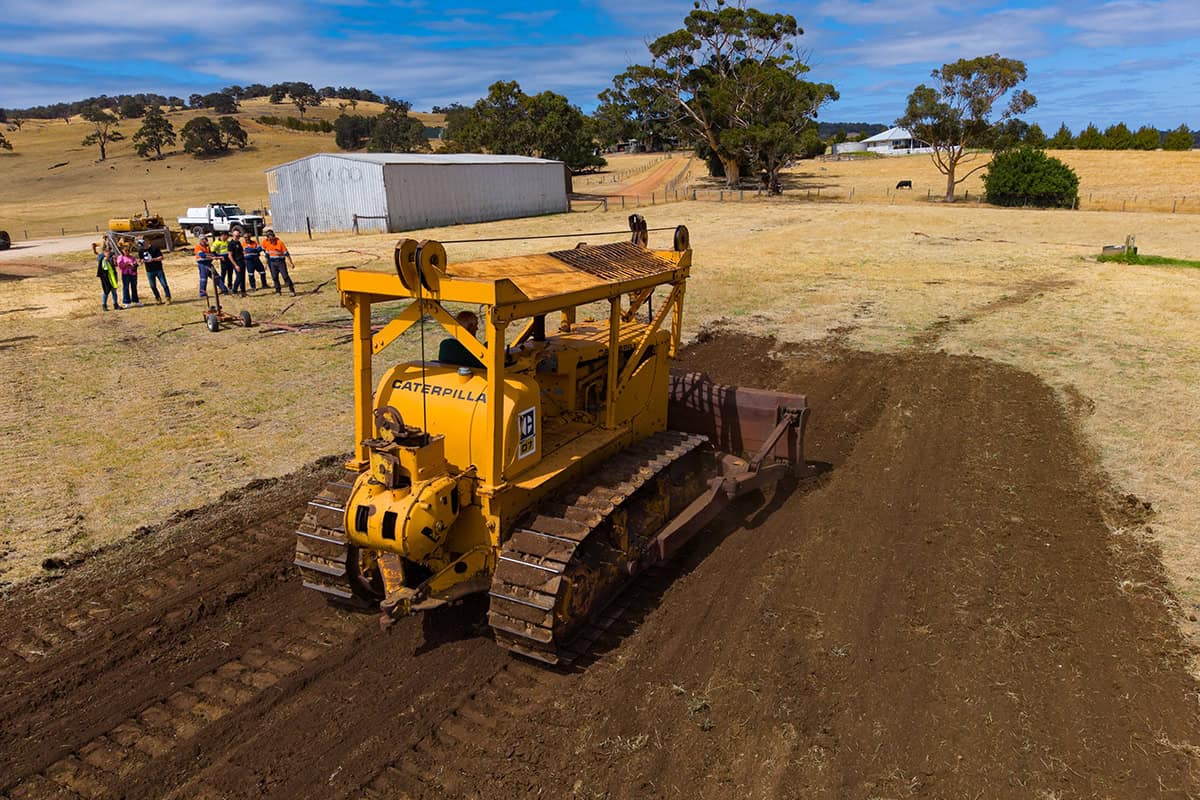
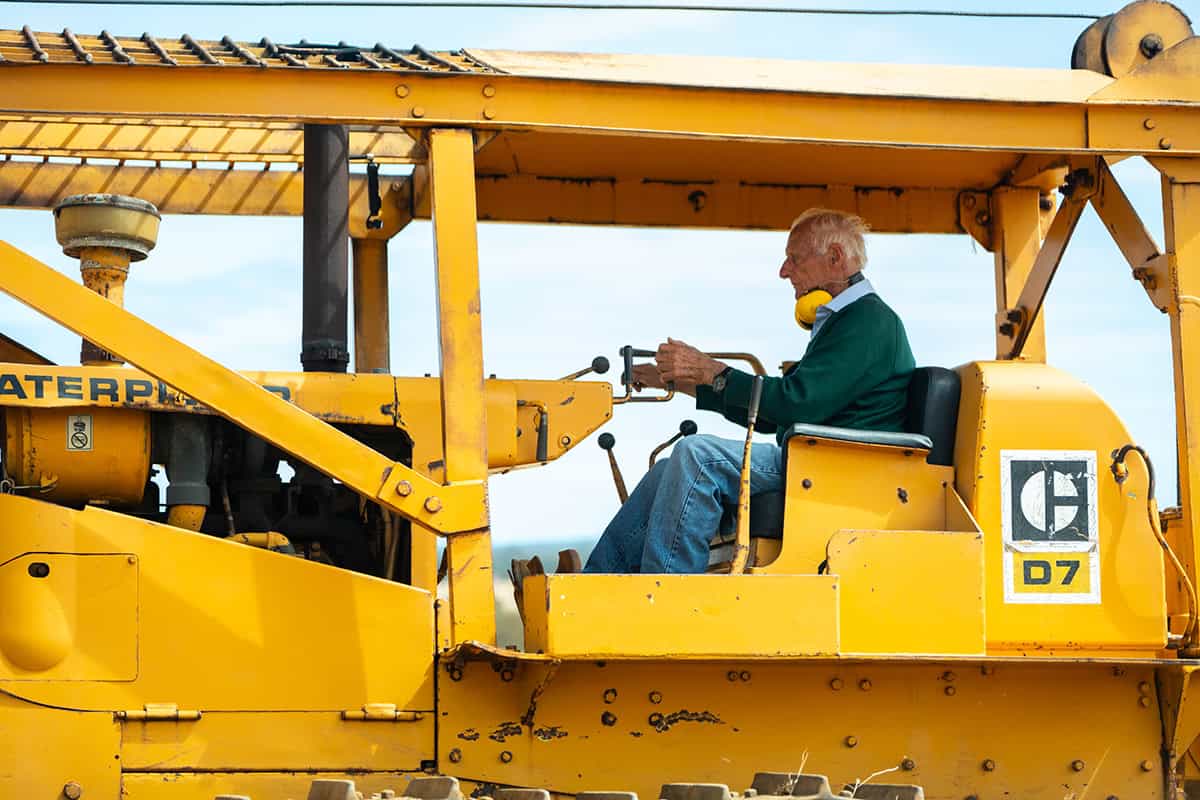
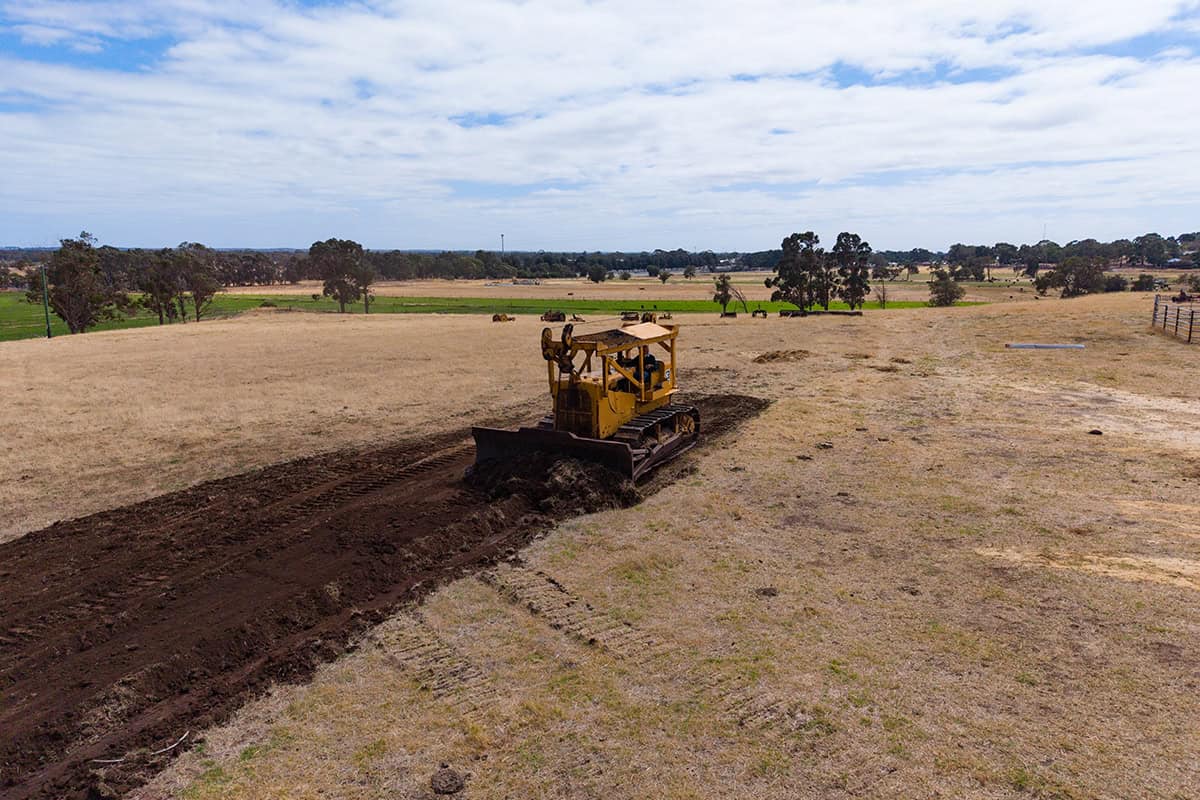
“We had been using other equipment brands, often encountering reliability issues, particularly with transmissions. The D7E changed everything. It was robust, dependable, and backed by a level of after-sales service that set a new standard,” Bill said.
“When we bought the first Cat machine, it proved to be totally different to the other makes. They weren’t that bad but Caterpillar seemed to have the edge on everything.”
Another industry milestone was reached when the company acquired a Cat 621J Scraper, the first of its kind sold in Western Australia. This forward-thinking investment in cutting-edge equipment demonstrated the company’s innovative spirit and marked the transition into large-scale earthmoving.
Remarkably, the scraper remains part of B&J Catalano’s fleet.
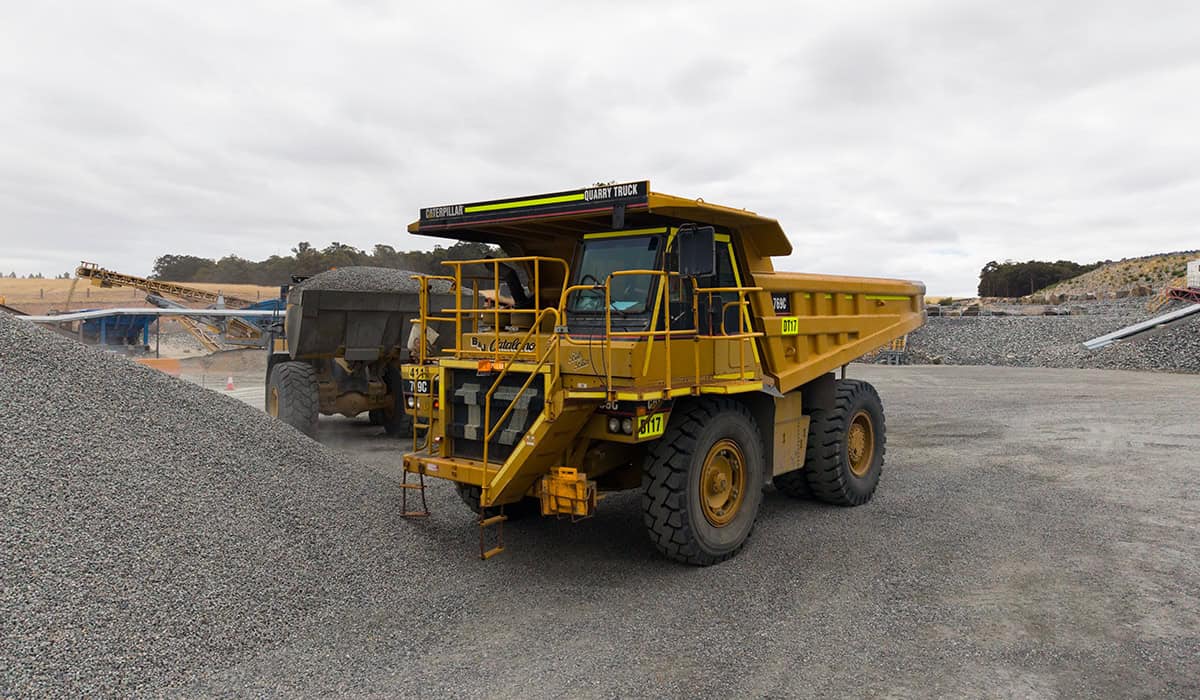
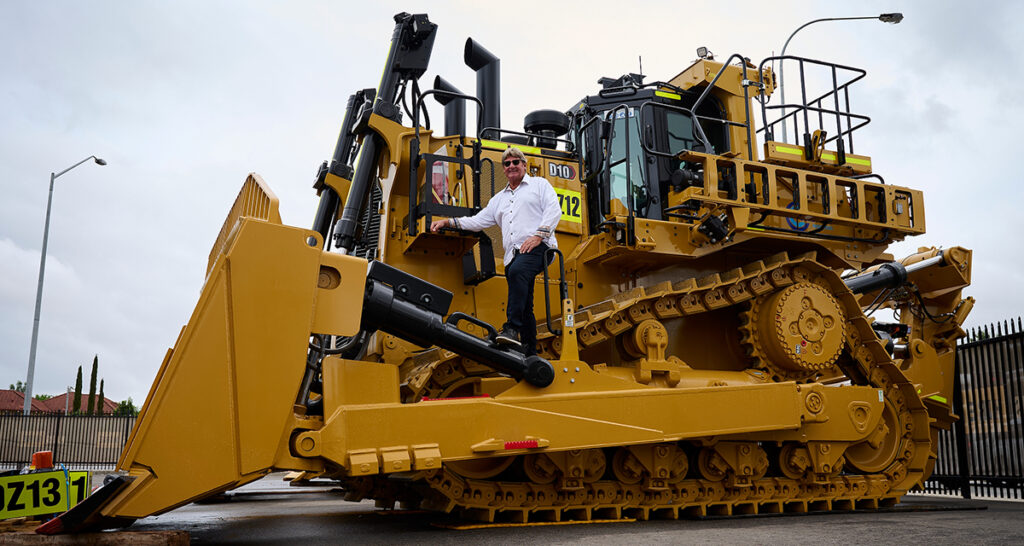
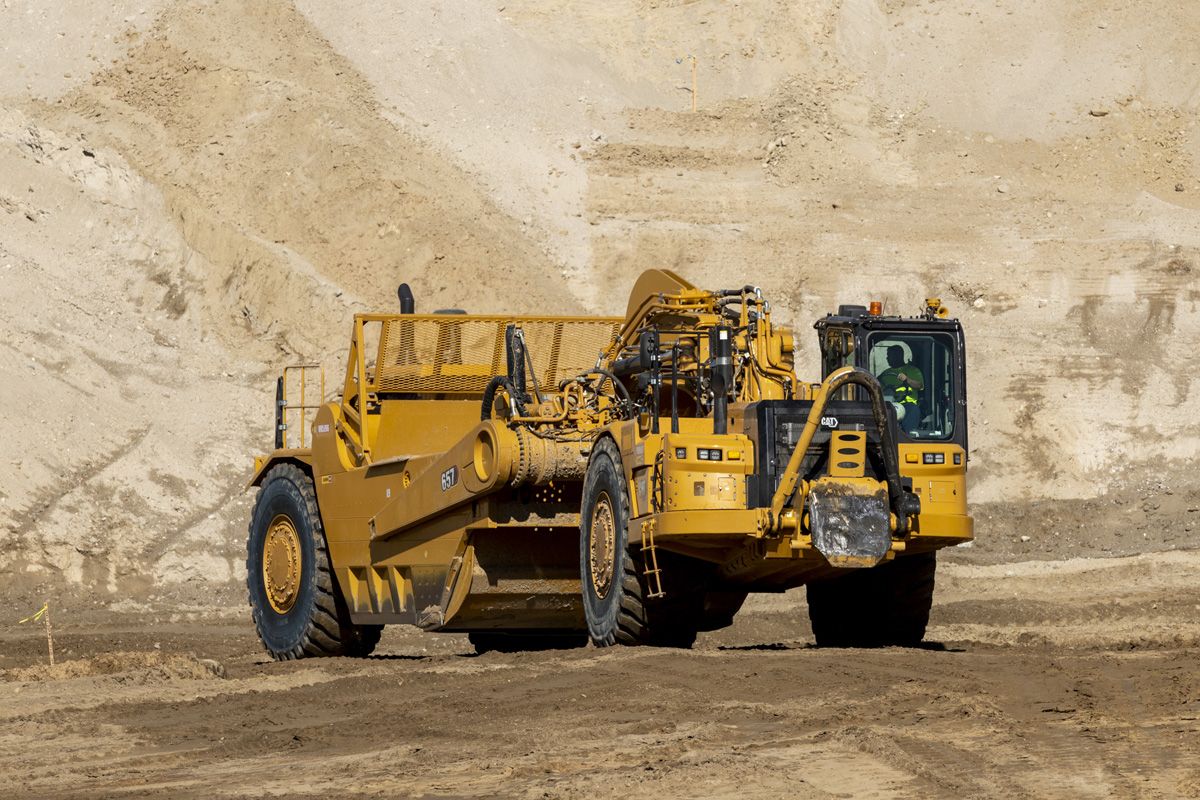
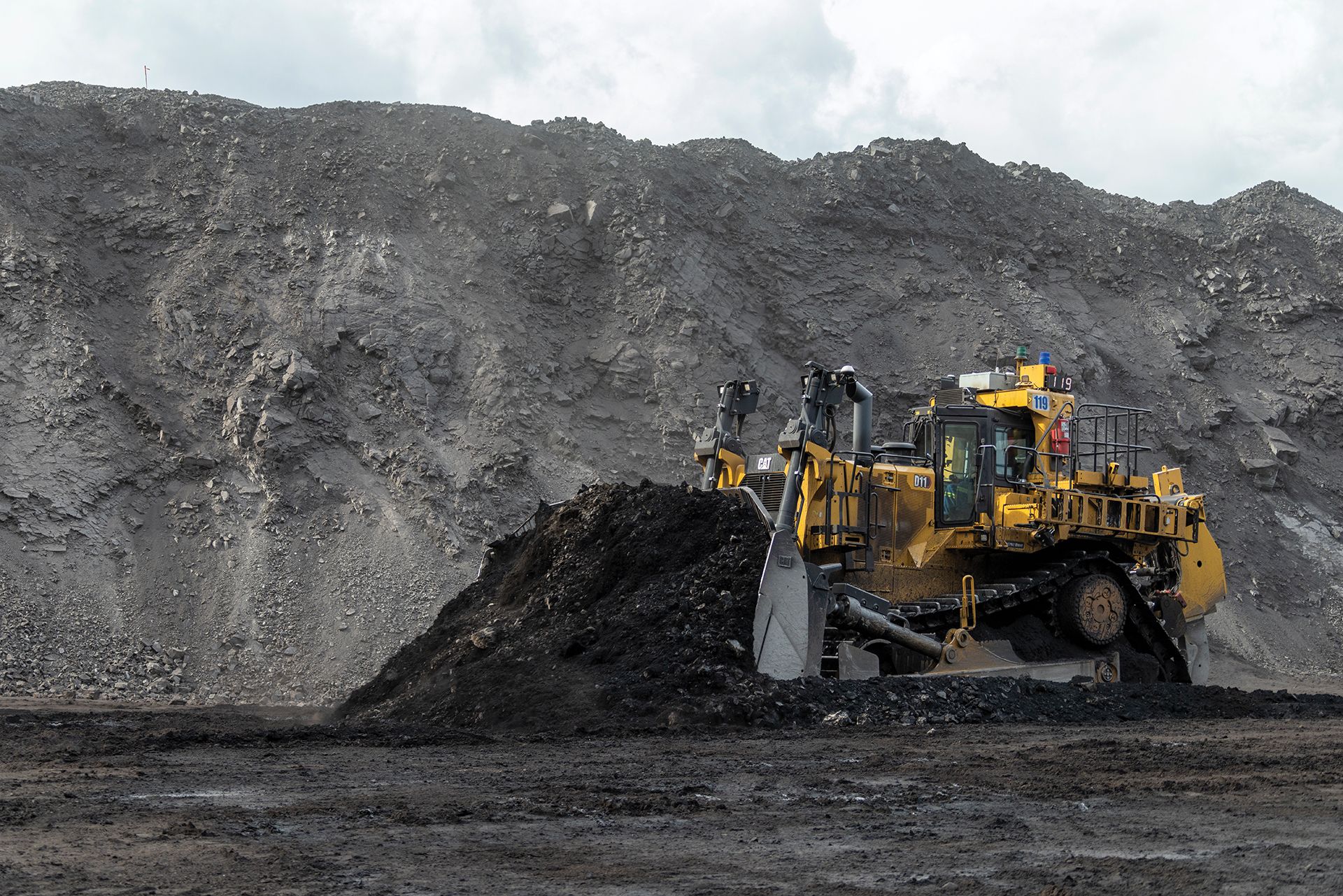
Today, B&J Catalano operates about 200 Cat machines, including some of the largest equipment in the industry — such as a D11 106t mining bulldozer and high-capacity twin-engine 657 wheel tractor-scrapers — as well as haulage units capable of tackling the state’s most demanding projects.
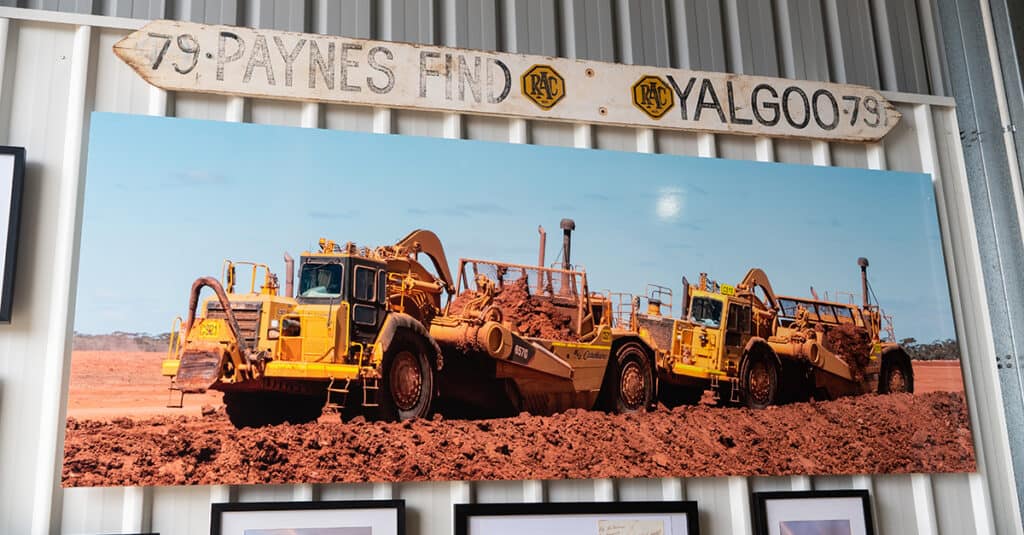
Among them, Bill has his favourites.
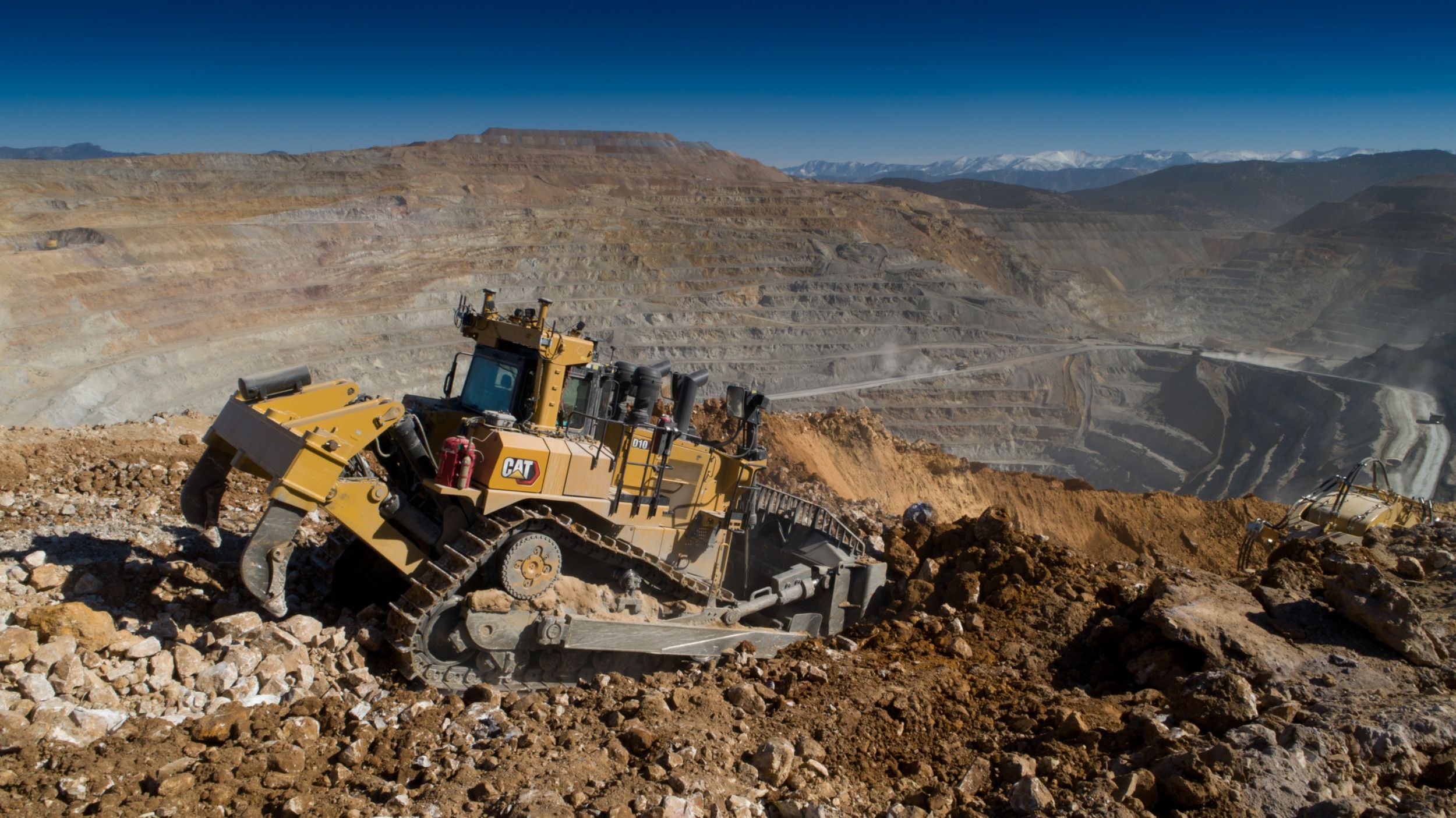
“I love the Cat D10 and D11 dozers,” he said. “I used to drive them daily for a number of years, and I still get on the D10 every now and then.”
“Cat dozers are well-balanced with the counterweight in the front. You can put your blade down and you’re not getting any rock and roll.”
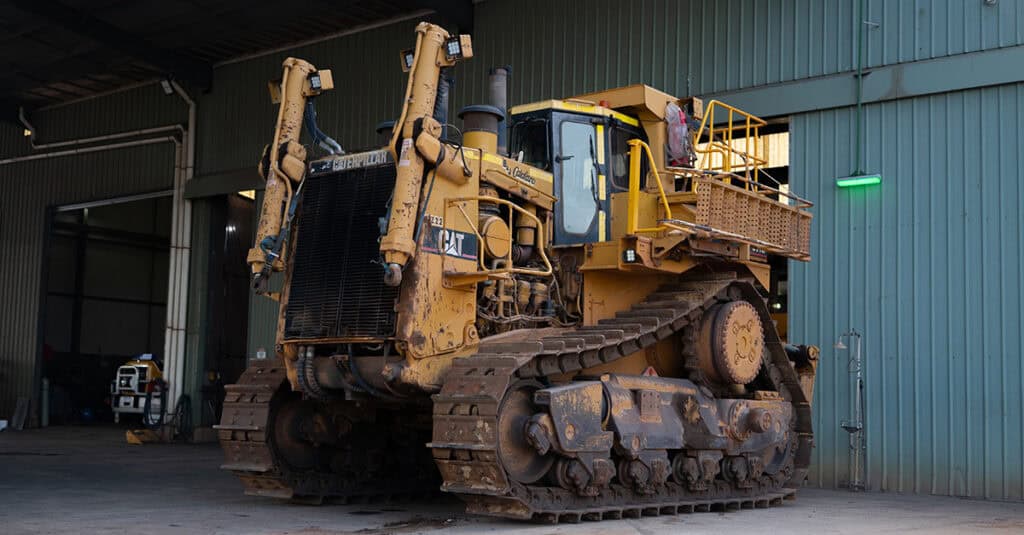
“We altered the rippers on the D11s, putting a lot more steel and a three-tonne counterweight at the back.”
It wasn’t just the efficiency of the machinery that set Caterpillar apart — it was the support.
“In those days the Cat dealer (now-defunct) had fantastic after-sale service. Their staff would come into our workshops, check us out, help us in all the ways they could. They had the edge on supplying spare parts. They had the service, they had the salespeople checking if we had any problems,” Bill said.
“These personal relationships changed everything. That’s where Caterpillar won the deal for us. They said their support was 100 per cent, but I would say it was more 110 per cent.”
“And I’m happy to say that sort of connection still exists today with our current dealer WesTrac. And so, as we evolved, Cat yellow got into our blood.”
“We often work in remote areas. WesTrac’s level of servicing, combined with their branch footprint, is important because we’re working anywhere between 4000 and 5000 kilometres away from our base.”
Omitting Emissions
Even as it honours its past, B&J Catalano is looking toward the future.
One of the shifts in recent years has been its move into more fuel-efficient equipment. Bill said the business only buys sustainable Tier 4 machines, and is one of only a few big earthmoving operations doing this.
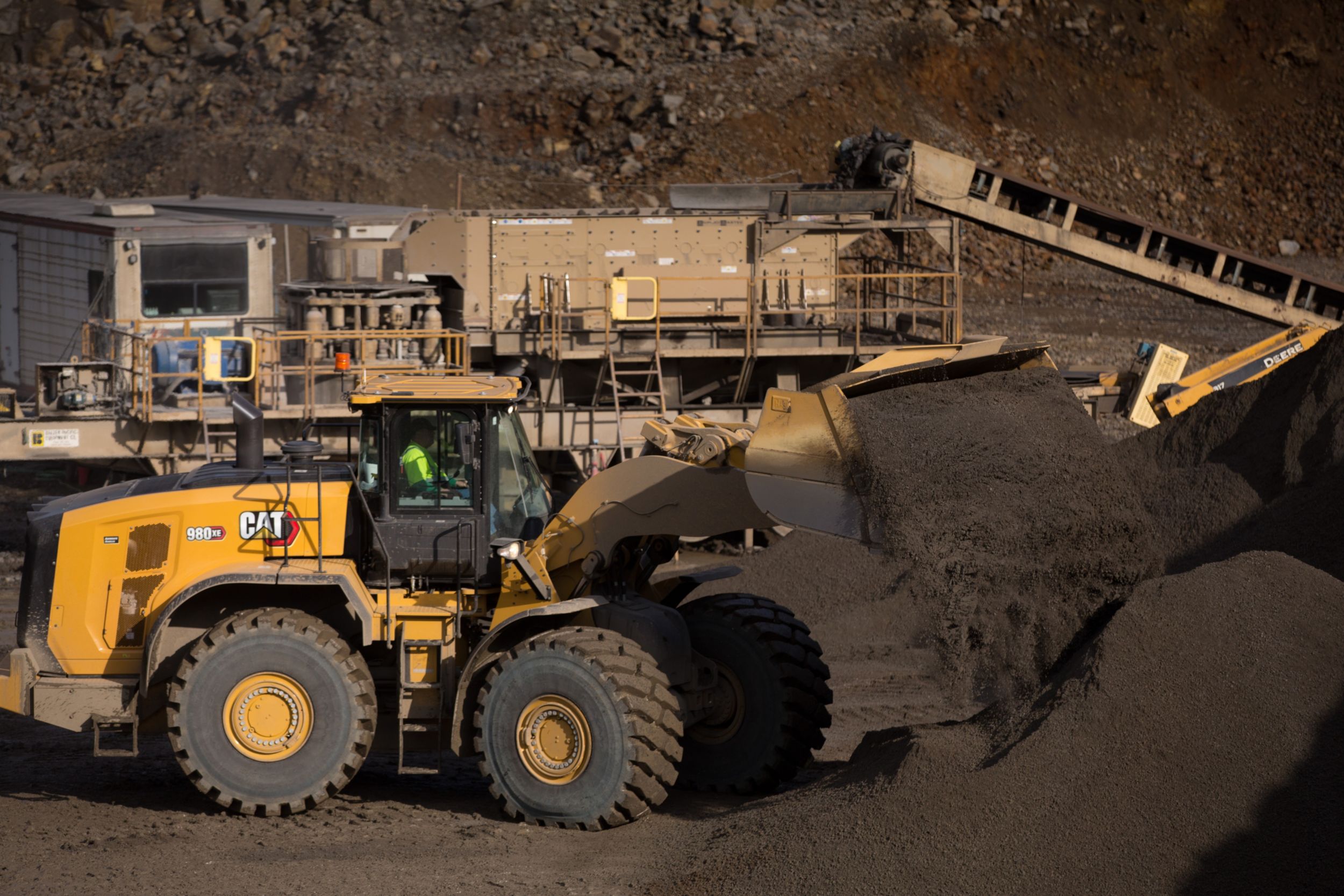
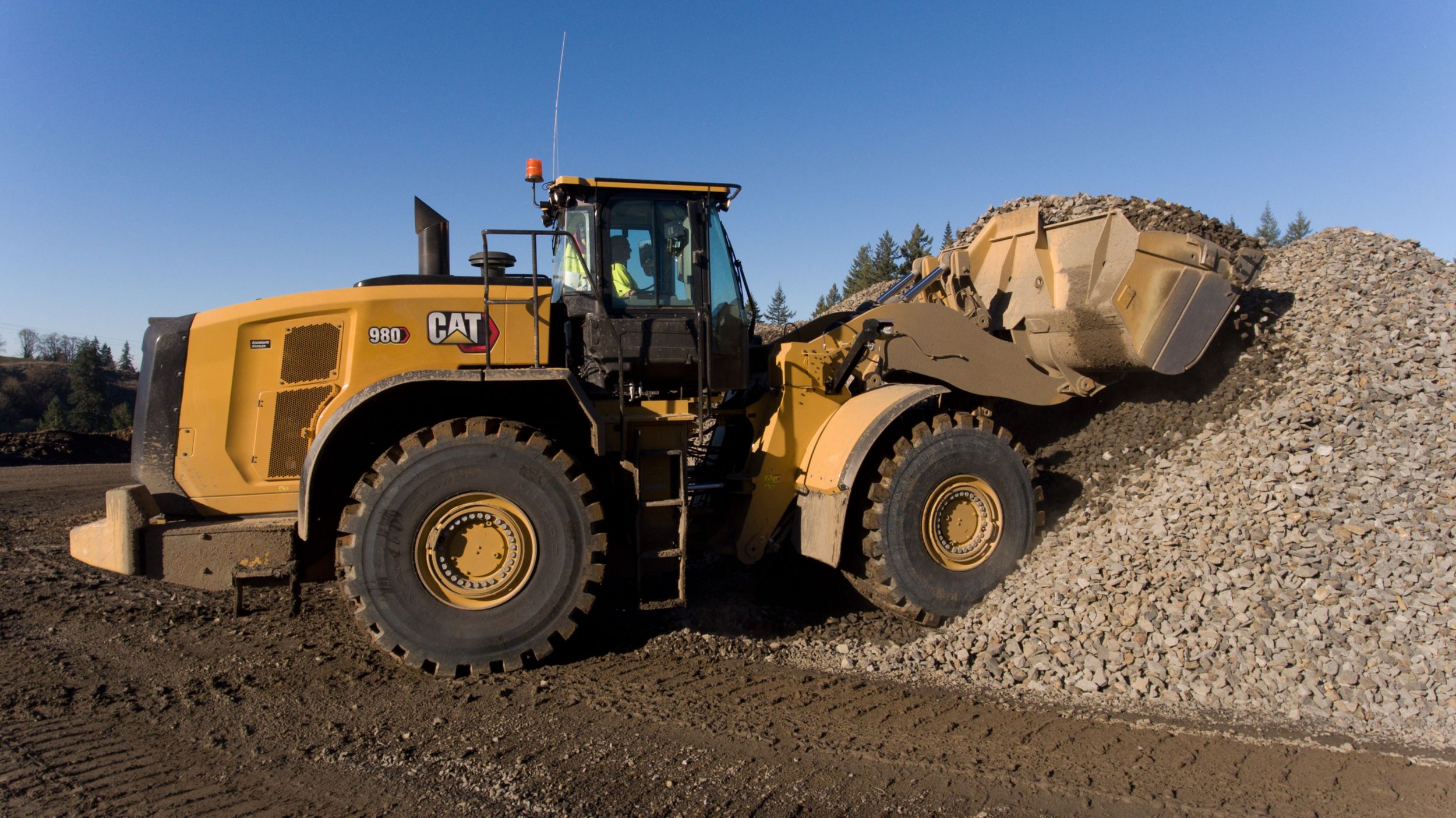
Purchases have included the first two Cat 980 XE Wheel Loaders in Western Australia, which enabled B&J Catalano to lessen carbon emissions through a reduction in fuel burn, as well as cut back on nitrous oxide and particulate emissions with the Tier 4-final emission treatment system.
Bill said there was no doubt that advanced powertrain systems offered fuel savings and improved efficiency.
Cat 980 XE Wheel Loader in Action
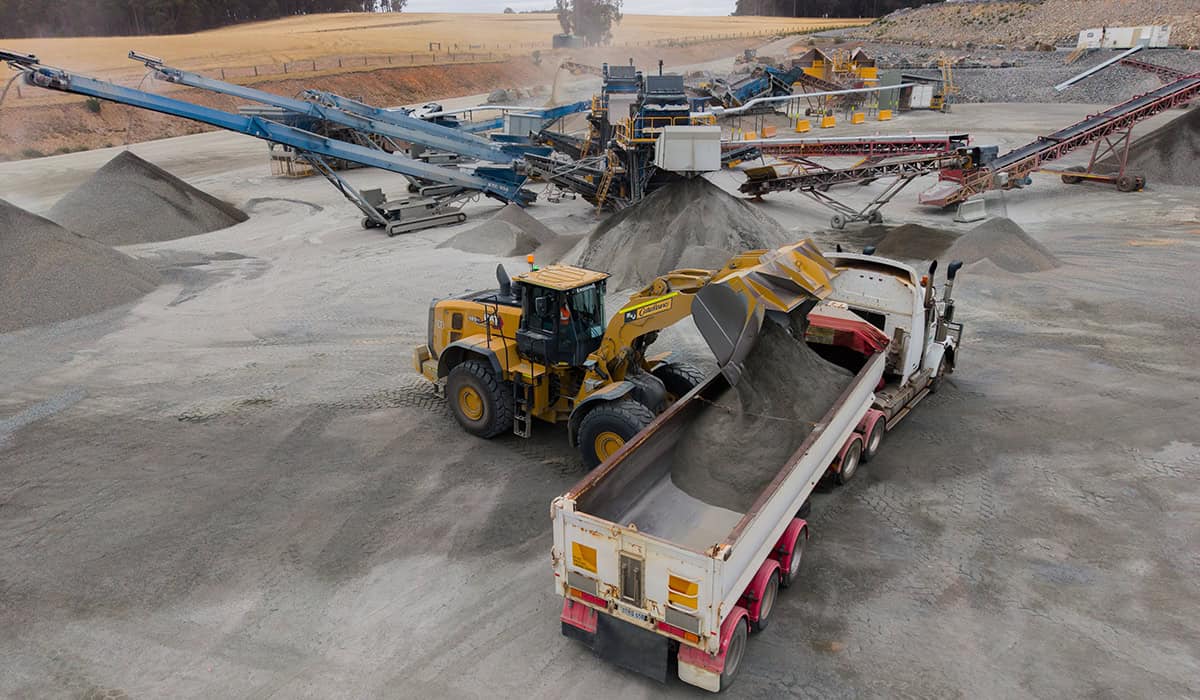
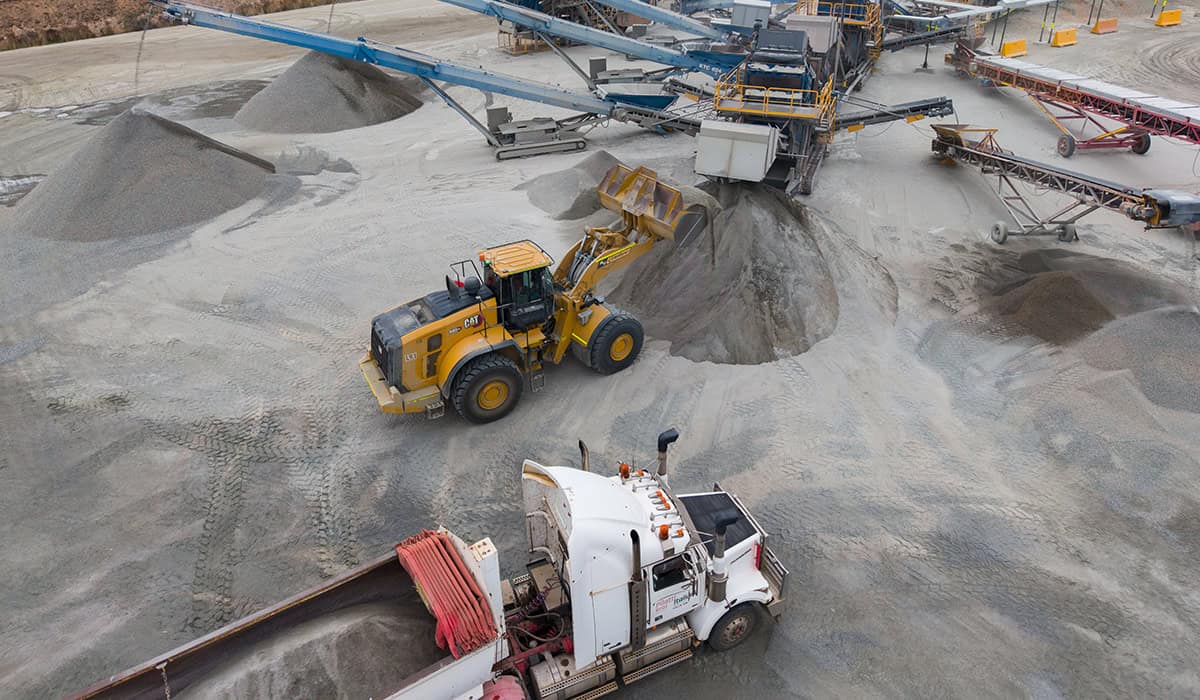
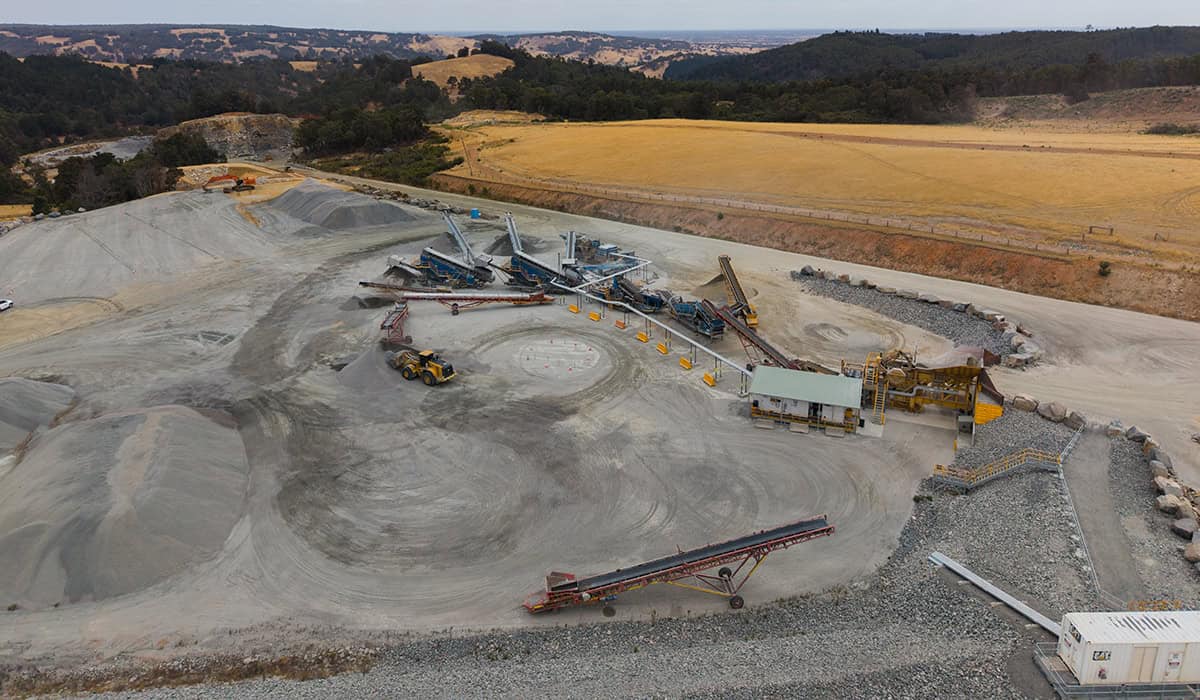
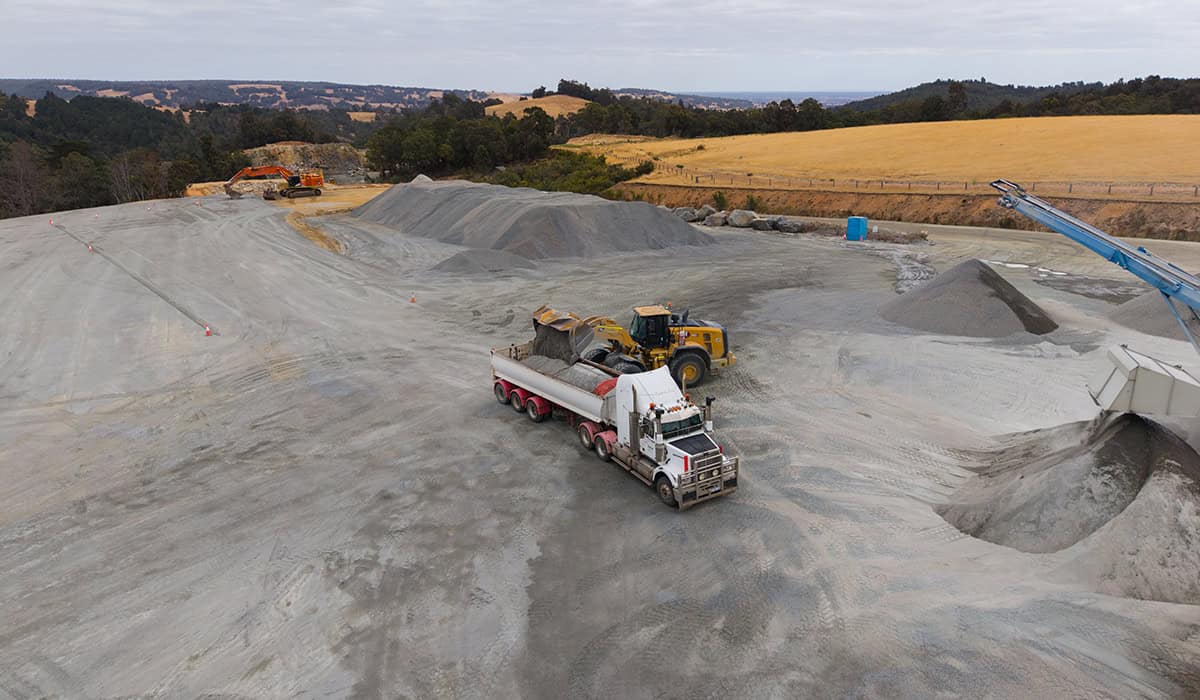
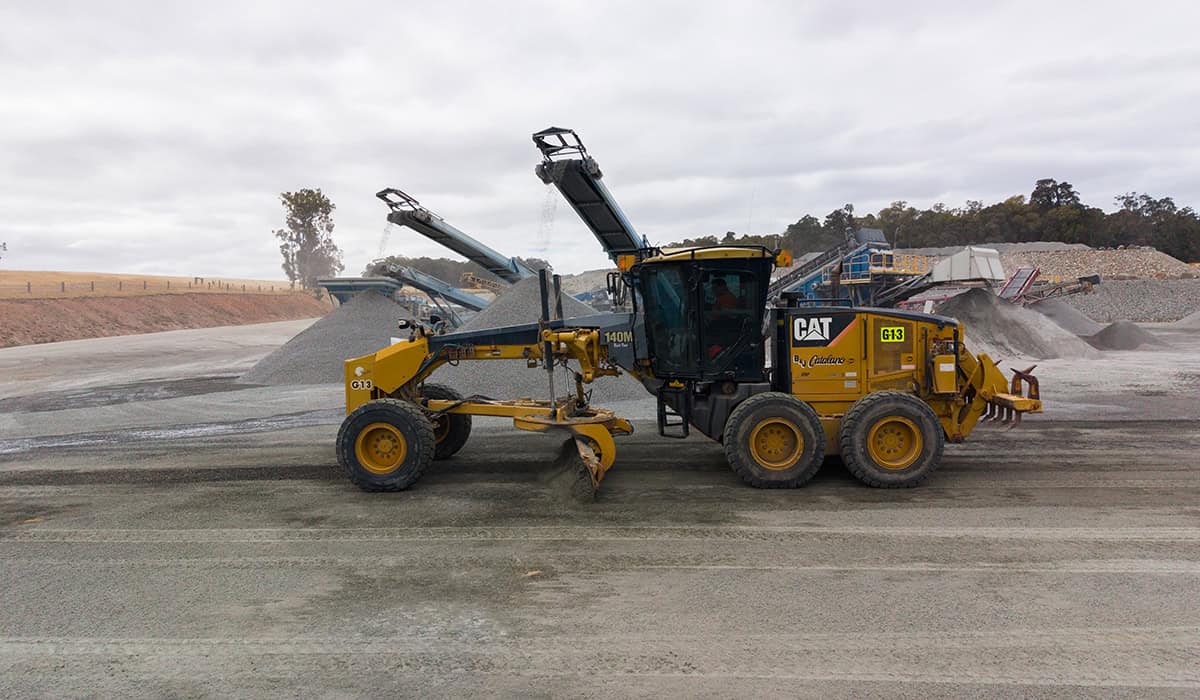
The XE wheel loaders have averaged 14 litres per hour since delivery, which equates to less than half of the fuel burn of similar loaders in their fleet.
“Cat machines also enable a more comfortable operating experience. Operators benefit from smoother controls and reduced fatigue, while the business gains from lower operating costs and improved productivity,” he said.
“The guys can do a day’s work more efficiently if it’s clean and tidy.”
For a company that once rebuilt a broken dozer in a shed, embracing cutting-edge technology is the next step in a tradition of adaptation.
A Generational Legacy
The business has evolved from a land-clearing operation into a multifaceted enterprise spanning earthmoving, civil construction, quarrying, materials supply, and bulk haulage.
From its base in Brunswick Junction and operations extending across the state, B&J Catalano now services mining projects, infrastructure developments, and tailings dam construction.
With 14 strategically located quarries and pits across WA, the company produces materials essential to road construction, civil works, and infrastructure projects. B&J Catalano’s product range includes gravel, limestone, granite, and washed sand, supporting industries including mining, construction, and landscaping.
Yet despite its scale — more than 400 employees and a footprint that stretches across WA — the company has retained its family-driven ethos.
Joe passed in 1995. It may have marked the end of an era, but not the end of his influence.
Bill said that his approach to business — bold, opportunistic, and grounded in relationships — remains embedded in the company’s DNA.
Decisions are still grounded in practicality. Leadership remains hands-on. And the culture reflects the same work ethic that defined those early days in the bush.
One compelling aspect of the Catalano story is its continuity.
“There are three generations in the business — the whole family is involved,” Bill said.
What started with Bill and Joe has grown into a multi-generational enterprise. Today, Bill’s son Stephen and Joe’s son Clem play key roles in the business as company directors, along with their respective sons, Tom and Brett, who initially joined the company as apprentice heavy duty diesel mechanics.
Brett followed Clem into the transport part of the Catalano business, where he now heads up the heavy haulage transportation and can be seen transporting the Caterpillar machinery statewide.
Tom leads the maintenance division for the company’s remote sites, where work includes dam construction and tailings management.
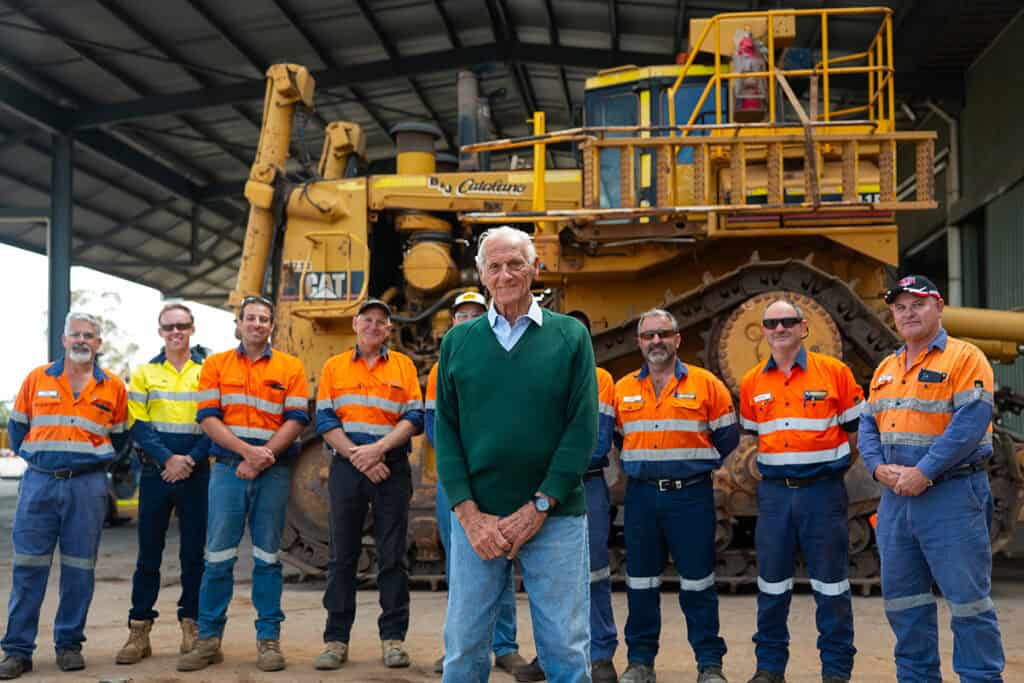
Bill said Brett and Tom shared his work ethos.
“They’re here every day, enjoying work seven days a week,” he said. “They’re involved in both sides of the business: the trucking and the earthmoving.
“They are working together to make us bigger than what it is today, and I hope they stay motivated by how Joe and I used to operate.”
Stephen is responsible for the earthmoving side of the business, currently involved with a new project involving one of the hard rock quarries.
Sharing Bill’s fondness for Caterpillar, Stephen said the company’s dozer fleet was comprised entirely of the yellow machines.
“We have some old-timers who been driving for many years, and they love them as well as the Cat loaders,” he said.
The succession brings both stability and vision.
Bill said the values that shaped the company, such as hard work, reliability, and a commitment to doing the job properly, are carried forward, even as the business evolves to meet new challenges.
Tom said he enjoyed working with his father and grandfather, seeing them both as inspiration.
“Bill has always shown us how to work pretty hard, and to never really stop,” he said. “His motto seems to be: put your boots on and get to work. It’s sheer passion for the job.
“At 91, he’s still jumping on the machines.”
And if Bill has his way, he’ll be operating the machines for a long while yet.
“We’ll be around for as long as Caterpillar will,” he said.
“As long as there is earth to be moved, and roads to be built, Caterpillar will always be there. Their machinery is strong, it is well built, it looks good, it’s got all the features that you could want.”
Looking Ahead
More than six decades after its founding, B&J Catalano stands as a testament to what can be built through adaptability and investment in people and equipment.
“The future is about continuing to push forward,” Bill said.
“That means embracing new technologies, maintaining strong partnerships, and ensuring that the next generation is ready to lead.”
“Don’t look back, look forward, and keep moving forward.”
And along the journey, there’s little doubt about B&J Catalano’s steadfast dedication to Cat machinery.
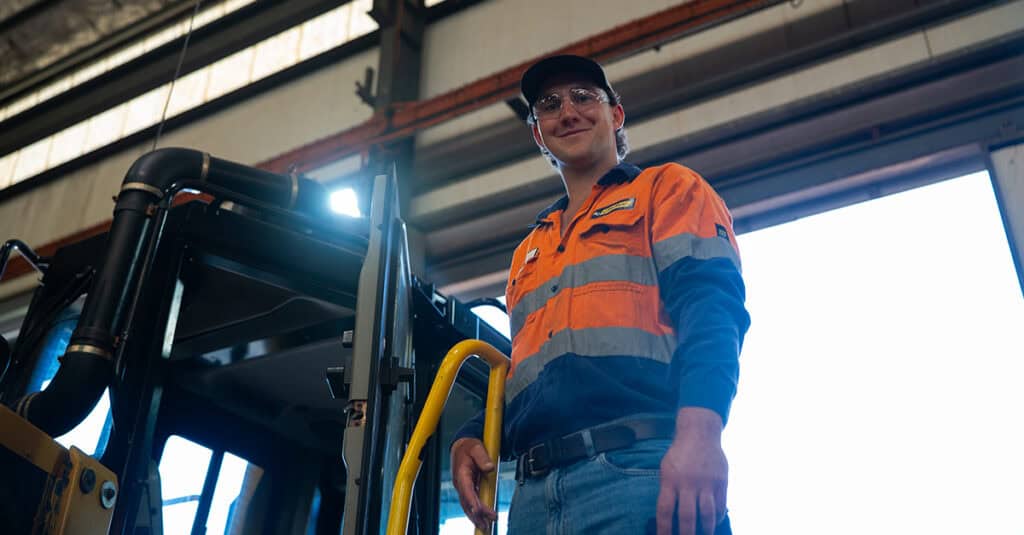
“We’re about to sign an order for a brand new Cat D10 high-production, large-scale earthmoving dozer to add to our fleet. It’s worth a few million dollars, and a sign that we are committed to a brand that ensures peak performance,” Bill said.
The WesTrac Way
For Jake Lewis, Account Manager for Construction at WesTrac Bunbury, the relationship with B&J Catalano is more than a typical customer-supplier arrangement.
“It’s a partnership shaped by decades of collaboration, underpinned by shared values, personal connections, and a deep mutual understanding of what it takes to keep a complex, multi-faceted operation running smoothly,” he said.
“B&J Catalano stands as one of WesTrac’s most enduring customers. It’s a company grounded in family values, with a commitment to delivering quality across every aspect of its operations.”
For B&J Catalano, the WesTrac Bunbury branch serves as the local Cat dealer because of its proximity.
“This regional connection has proven to be a factor in the longevity of the relationship. Rather than relying on distant or impersonal channels, both organisations benefit from direct, localised engagement,” Jake said.
“At every level of both organisations, there are clear, direct points of contact. Whether it’s a field mechanic liaising with our service team, a workshop supervisor coordinating with parts, or senior leadership working together on strategic decisions, there’s a strong sense of familiarity and trust.”
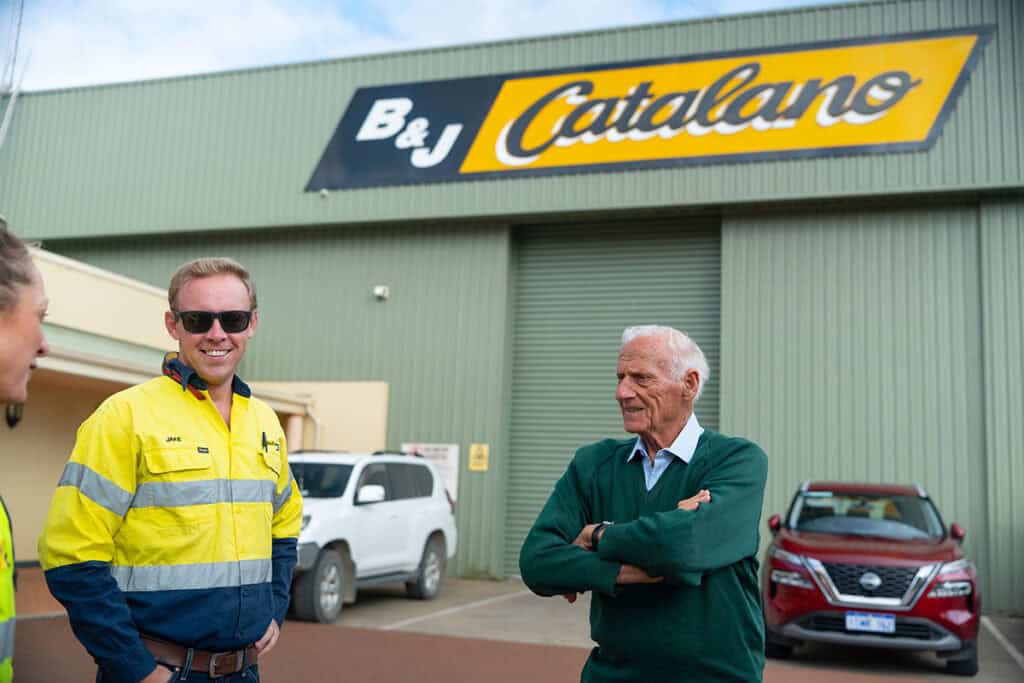
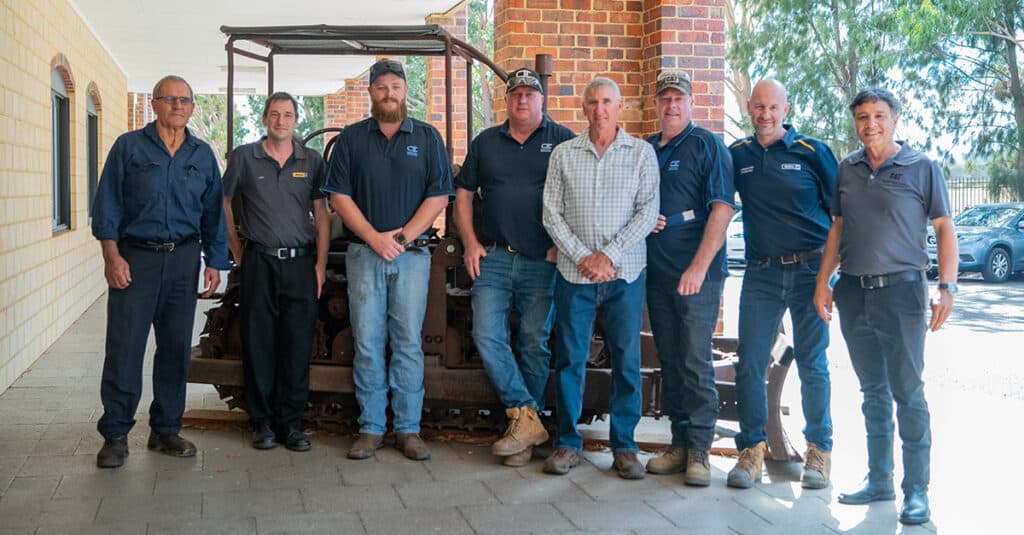
In many cases, those connections span decades. Some individuals across both businesses have worked alongside each other for more than 30 years, creating a level of continuity that translates into efficiency, responsiveness, and a shared sense of accountability.
Jake said that from a sales and equipment perspective, B&J Catalano presented a challenge and an opportunity.
“The company’s operations are diverse, and this breadth demands a highly tailored approach to equipment selection, one that goes well beyond matching machines to specifications,” he said.
“It’s never a one-size-fits-all process. Every decision starts with understanding the application. Often, that means conducting site studies to assess existing equipment, physical constraints, production targets, and the outcomes the customer is aiming to achieve.”
Jake noted B&J Catalano’s focus on sustainability.
With the company actively seeking to reduce its carbon footprint, equipment selection must account not only for performance and reliability, but also for efficiency and environmental impact.
As a result, WesTrac continues to introduce the latest technologies and more sustainable solutions into Catalano’s fleet, such as the XE range of products.
Jake said supporting that fleet extends beyond the initial sale.
“It’s important to have a comprehensive aftermarket strategy that enables proactive, rather than reactive, maintenance,” he said.
“In addition to parts and servicing, B&J Catalano makes extensive use of WesTrac’s Condition Monitoring services, including SOS fluid sampling and undercarriage inspections.
“These tools allow us to anticipate issues before they become problems. Instead of running equipment to failure, maintenance can be planned and scheduled, minimising downtime and improving overall efficiency.”
Jake said for a business of Catalano’s scale, this proactive approach is essential.
This is where WesTrac’s statewide branch network plays a critical role. With facilities strategically located across WA, the company is able to provide timely access to parts and service, regardless of where equipment is operating.
Genuine Cat parts are easily accessible and ordered through the app parts.cat.com, which provides 24/7 convenience, connecting customers directly with their local Cat dealers for parts fulfilment.
“Knowing that support is never far away is hugely important,” Jake said.
“Our teams understand the urgency of keeping their operations running, and there’s a strong commitment to responding quickly whenever support is needed.”

Contact Our Team
Earthmoving Equipment Magazine is a bi-monthly trade magazine for the booming Australian earthmoving industry. Since 2008, the magazine has provided readers with the latest news, insights, dealer profiles, and case studies featuring the latest plant and equipment from the world’s leading brands. Earthmoving Equipment Magazine is a must-read for earthmoving business owners, contractors, fleet managers, and operators – or anybody with a love for big, powerful machines.