1300 881 064
  FIND A BRANCH
 DIGITAL TOOLS









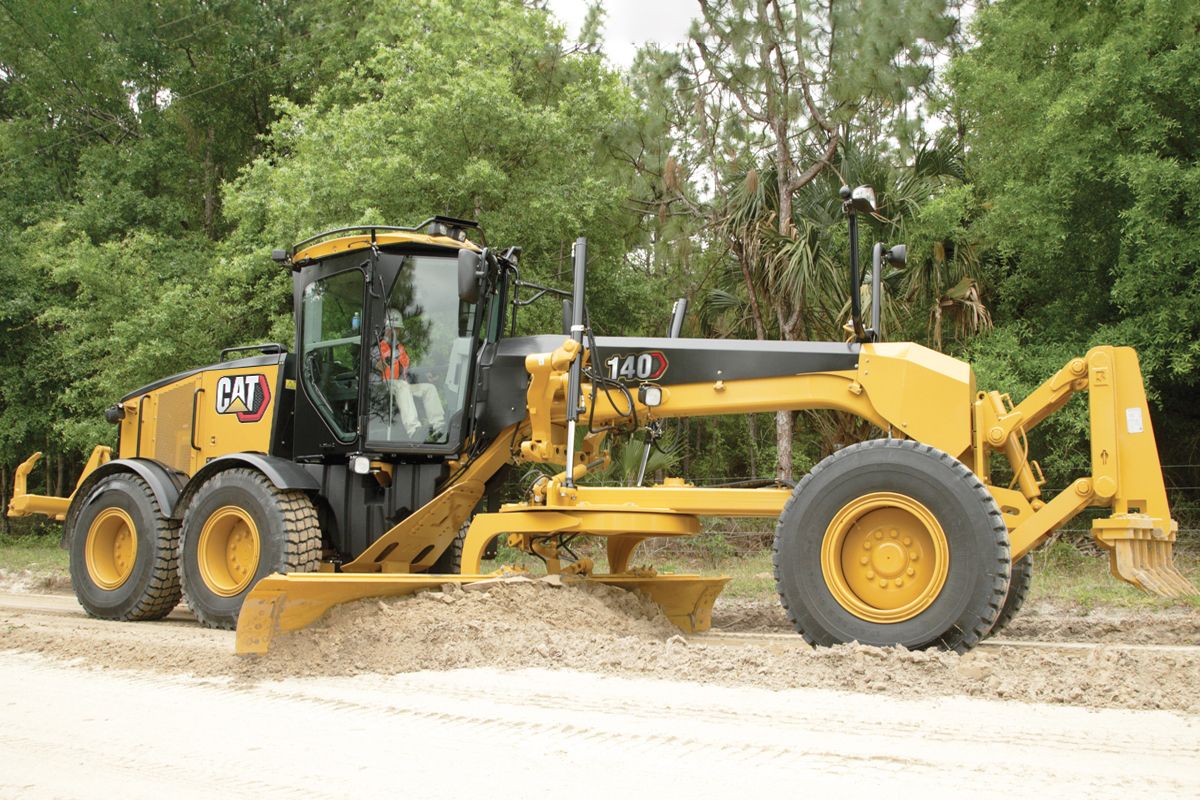
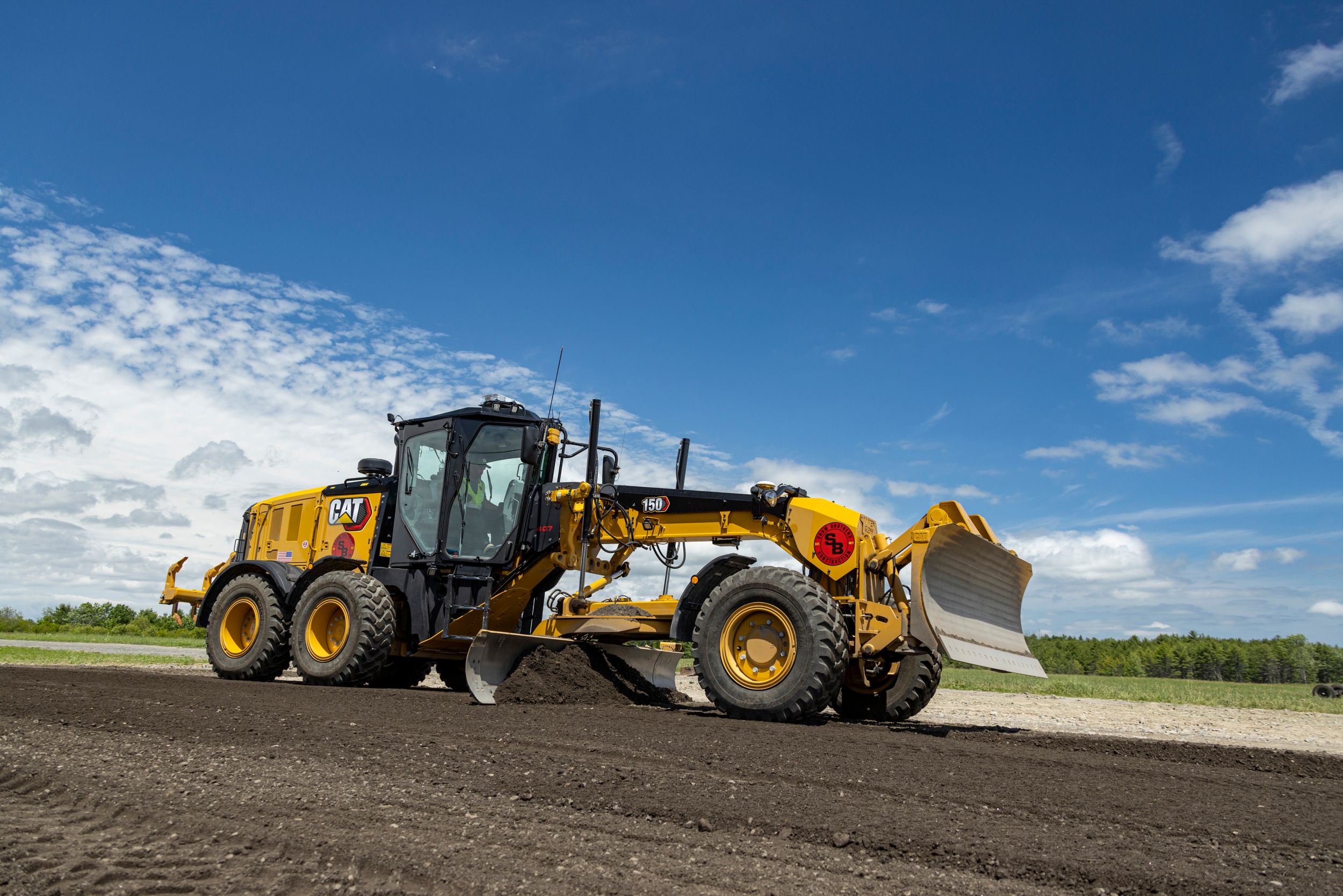
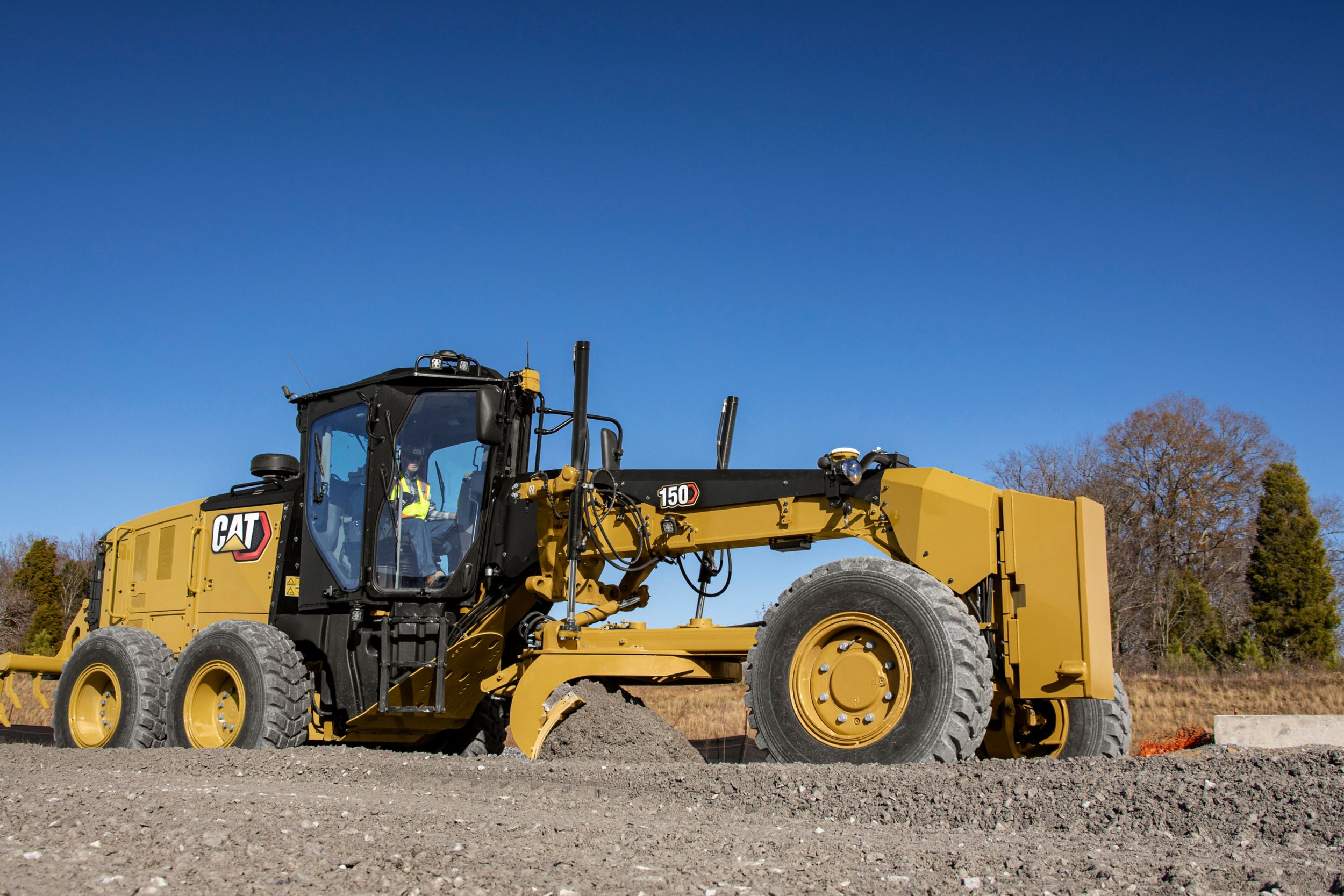
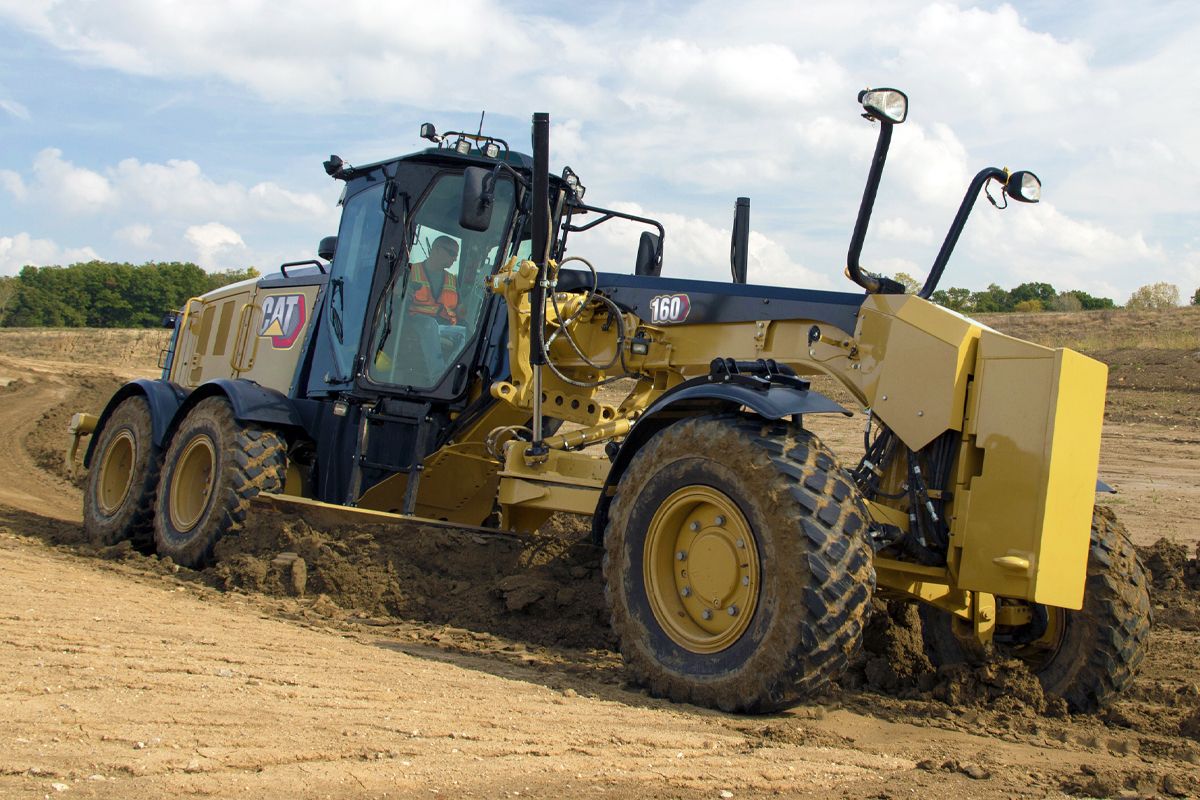
Inside the New Cat® 140 Motor Grader Cab
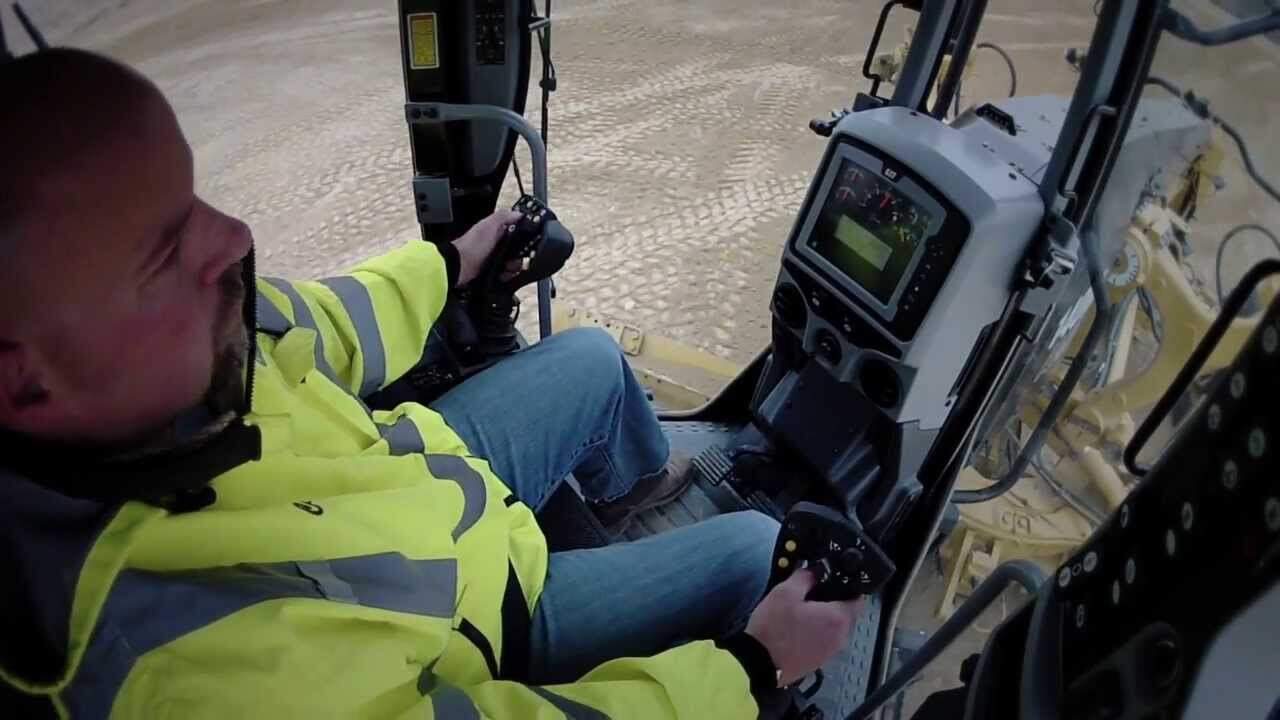
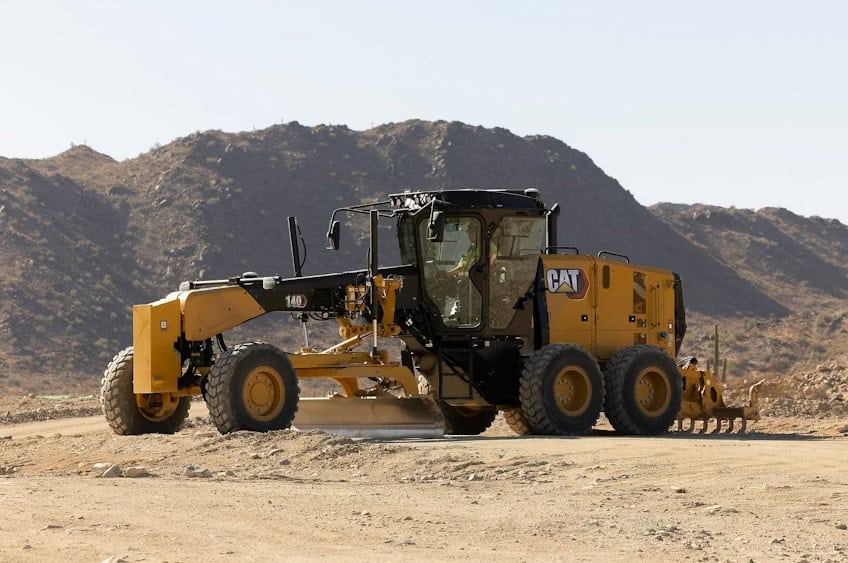
When we covered the full next-generation Cat® 140 Motor Grader release, the cab redesign got a small mention. However, it deserves its own conversation.
Cab design doesn’t always get the attention it warrants in equipment coverage. Specs and drivetrain numbers are easier to quantify, so they tend to lead. But talk to the people actually operating a grader for a living, and the cab is where they live. It’s where fatigue builds, where missed sightlines cause rework, and where the difference between a good shift and a difficult one gets decided long before the blade touches the ground.
Caterpillar didn’t carry the old cab forward with some refinements. They started over. Here’s what changed and why it matters on site.
The Problem They Were Solving
The previous Cat 140 Motor Grader cab dated back to design principles from the M Series, introduced in 2007. It was a solid working environment by the standards of its time, but the industry has moved considerably since then. Operators are working longer hours, sites are more congested, and the tolerance for poor visibility has dropped as safety expectations have risen.
Rear visibility was the consistent complaint. On a motor grader, the operator needs clear sightlines to the moldboard, both front wheels, and the rear of the machine simultaneously. On the outgoing 140, those sightlines required compromise. You could see most of what you needed, most of the time, but there were blind spots that demanded extra head movement and mental load to manage.
Multiply that across a ten-hour shift on a road maintenance run or a mining access track, and it adds up. WesTrac heard it directly from customers. So did Caterpillar.
What Actually Changed in the Glass and Structure
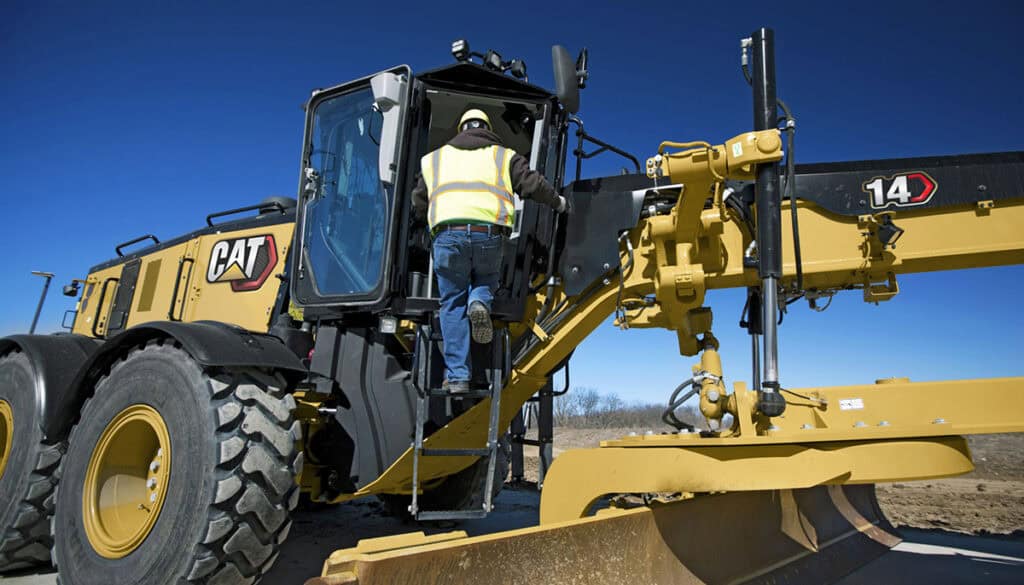
The visibility improvements in the new 140 cab aren’t the result of a single change. They come from several structural decisions working together:
- Larger glass panels throughout, increasing the overall field of view
- Angled door frames that reduce the visual obstruction at the operator’s side
- A tapered engine enclosure that opens up the rear quarter view considerably
- A sloped rear window that improves sightlines directly behind the machine
The combined effect is what Caterpillar describes as “unprecedented rear visibility” for a Cat motor grader. Having seen the design, that assessment is accurate. The operator can see the moldboard, the front wheels and the rear of the machine without the constant repositioning that was part of daily life in the previous cab.
For operators new to graders, that might sound like a minor quality-of-life improvement. For experienced operators who’ve logged thousands of hours managing those blind spots, it’s a genuine shift in how the machine feels to work.
The Display: One Screen to Replace Several
The old analogue gauge cluster is gone. In its place is a standard 10-inch touchscreen that consolidates the machine information, grade technology readouts, and the rearview camera feed into a single display.
That last part is significant. On the previous 140, adding a rear view camera meant adding a second screen. Many operators appreciated the camera but found managing a second display added its own cognitive overhead, particularly on tight or high-traffic sites where you can’t afford to be looking at the wrong thing.
The integrated display changes that equation. The camera feed sits in the same place the operator is already looking. It can be configured to activate automatically when the machine goes into reverse, or left running continuously based on preference. Either way, there’s no separate monitor to glance at and no decision about which screen to check.
Operator Note: Less head movement across a long shift is a real fatigue reducer. It’s one of those changes that doesn’t show up in a spec sheet but that operators notice within the first hour.
Tiered Vision Options: From Standard to Full Surround
The integrated rear view camera is standard on every new 140. But for operations where visibility demands are higher, there’s a tiered set of optional camera systems that expand what the operator can see:
- Rear Vision only (standard, integrated into main display)
- Front and Rear Vision
- 360° Surround Vision
- 360° Surround Vision with People Detect
The full Surround Vision system can display up to six feeds simultaneously: rear cab, cab left, cab right, front, nose left, and nose right. For operations in confined areas, near pedestrian traffic, or on complex sites, that level of visibility coverage changes how the machine can be deployed safely.
The People Detect integration at the top tier goes further still, combining camera coverage with radar to alert the operator when someone enters the hazard zone, with the option to add automatic emergency braking. That’s covered in more detail in the full Cat 140 Motor Grader overview, but it’s worth noting that the visibility architecture of the new cab is what makes that system viable in the first place.
Comfort: Where the Hours Show Up
Visibility gets the headline, but the comfort upgrades in the new cab are substantial in their own right. The premium configuration available on the new 140 is a meaningful step up from what came before:
- Premium leather seat with air-adjustable lumbar support and bolsters
- Optional heated and cooled seat cushions
- 4-point restraint ready
- Sliding windows for ventilation and communication on site
- Internal side extension mirrors
- Industry-standard controls positioning
- Optional corner guards for tree limb protection in vegetation-heavy applications
The air-adjustable lumbar and bolster seat is worth dwelling on for a moment. Grader operators spend their shifts making constant small adjustments, leaning slightly to check sightlines, bracing through rough sections, holding position on slopes. A seat that can be dialled to the individual operator’s build and preference isn’t a luxury item in that context. It’s a fatigue management tool.
The heated and cooled cushion option is similarly practical for Australian conditions. A Western Australian or New South Wales summer in a cab that’s been sitting in the sun since 5am is a different environment to an alpine road maintenance run in June. Having both options available on the same seat matters for a machine that works across that kind of geographic range.
What It Means for Fleet Managers and Site Supervisors
The operator experience improvements in the new cab have downstream effects that go beyond individual comfort.
Better visibility means fewer passes to achieve a consistent result. Operators who can see clearly what the blade is doing, and where the machine is in relation to the surface, make better decisions faster. That shows up in finish quality, in the time taken to complete a section, and in the reduced likelihood of rework.
Reduced fatigue over a long shift has a similar effect. An operator who’s physically comfortable and not constantly compensating for poor sightlines makes fewer errors in the last two hours of a shift than one who’s been fighting the machine all day. On a road maintenance fleet running consistent hours, that compounds quickly.
And for operations where operator turnover is a genuine challenge, a cab that new operators find genuinely intuitive and comfortable lowers the barrier to getting people productive faster. The 140 has always had a reputation for being a good machine to learn on. The new cab reinforces that.
How It Connects to the Broader 140 Story
The cab redesign doesn’t sit in isolation from the rest of what’s changed on the next-gen 140. The 10-inch touchscreen is also the interface for the Cat Grade technology stack, from Cross Slope Assist through to full Mastless Grade 3D. The camera system is part of the same safety architecture as Cat Detect People Detection.
In other words, the cab is where most of the other improvements to this machine become real for the operator. The grade technology is only as useful as the display it’s presented on. The safety systems are only as effective as the operator’s ability to respond to them. The new cab was designed to make all of that work better.
If you haven’t read the full Cat Next-Generation 140 Motor Grader overview, it covers every major change across the machine in detail, from the 9-speed transmission and serviceability upgrades through to the optional High Performance Circle and the full technology stack. The cab piece slots into that broader picture.
Ready to See It in Person?
The next-generation Cat 140 Motor Grader JOY variant starts production mid-2026. If you’d like to talk through specifications, configurations or the transition from your current fleet, your WesTrac representative can walk you through both the detail and the options.


Contact Our Team

WesTrac is one of Australia’s leading Caterpillar dealers, supporting industries with world‑class machinery, technology and service. With a focus on safety, innovation and customer success, WesTrac helps businesses build, mine and operate more efficiently. Our team is committed to delivering reliable solutions that keep projects moving.