1300 881 064
  FIND A BRANCH
 DIGITAL TOOLS









Built for the Bush: Wild Earth Contracting’s Rise with Cat® Power
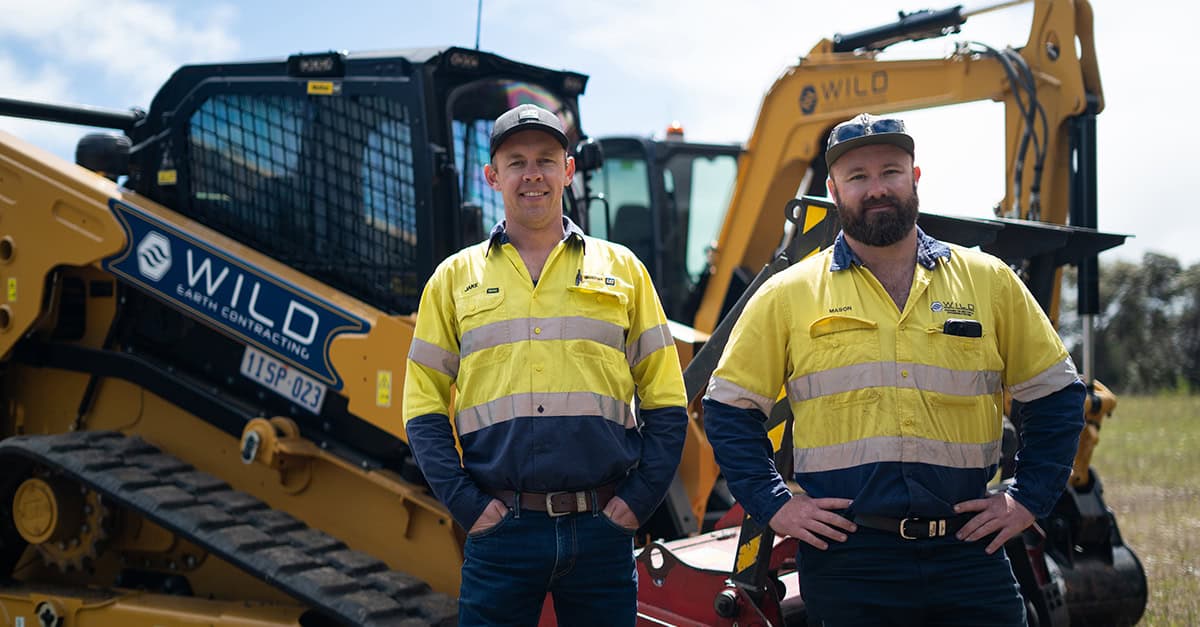
Wild Earth Contracting’s growth is rooted in vision, necessity and an uncompromising demand for reliability – qualities mirrored in its choice of Cat equipment, the mechanical backbone upon which its success depends.
Traditional land clearing methods, notorious for stripping soil and biodiversity, can leave landscapes exposed and fragile.
With ecological concerns in mind, more and more landholders are looking for alternatives – a way to prepare and maintain land responsibly, without sacrificing the natural tapestry that supports local ecosystems.
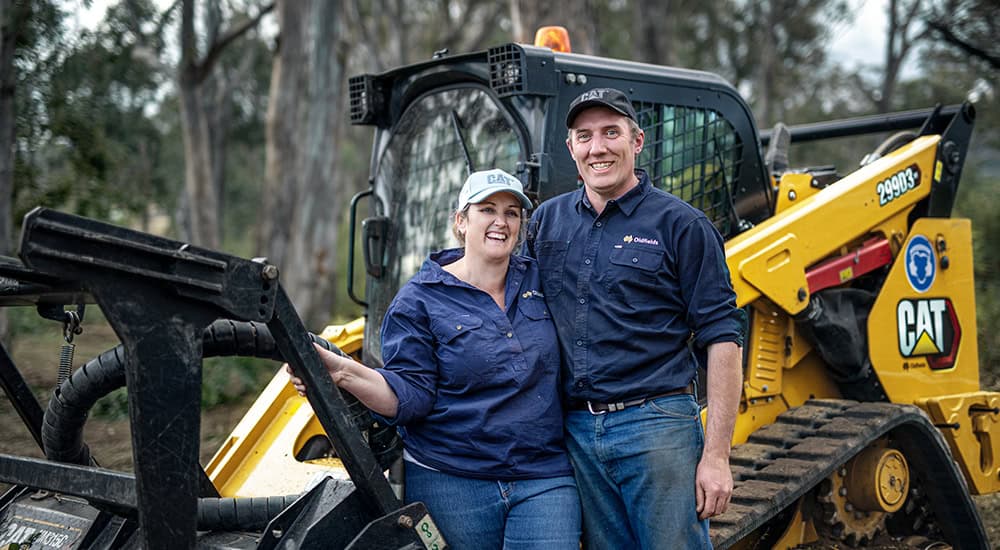
It was an observation not lost on Mason, who set up his own company — Wild Earth Contracting — to specialise in sustainable vegetation management and fire preparation across the Great Southern of Western Australia.
With experience gained from civil, mining and exploration fields, he chose to go down the route of eco-mulching, an approach that manages vegetation while preserving soil structure and biodiversity.
As the business grows, Mason is planning to expand into surrounding regions to support more clients preparing their properties for fire season and maintaining vegetation responsibly.
Earthmoving Equipment Magazine met up with Mason recently to discuss Wild Earth’s development into a leader for sustainable land care and ongoing stewardship of WA’s varied landscapes.
He tells us that his ambition of running his own business was fuelled when he had the opportunity to acquire a foundational set of machines from a retiring local operator in 2024.
The fleet quickly expanded into machines geared towards helping him achieve his goals, marking a decisive pivot from general earthworks to a focused portfolio of eco-mulching and sustainable techniques designed to keep soils fertile and habitats intact.
Wild Earth Contracting calls the southern WA city of Albany home, with operations fanning out across the Great Southern region and ambitions to support clients in even wider surrounds.
Mason said that the company’s broad yet specialised offerings included:
- Vegetation control through state-of-the-art eco-mulching, reducing fuel load and supporting biodiversity;
- Firebreak preparation and strategic improvement of properties to mitigate risks associated with WA’s challenging fire season; and
- Selective clearing and restoration, carefully managing landscapes near infrastructure, waterways and ecologically sensitive spaces.
“We help local landholders reduce invasive species on their properties, such as Sydney Golden Wattle, and carry out fire mitigation on places like parklands and boundary lines,” he said.
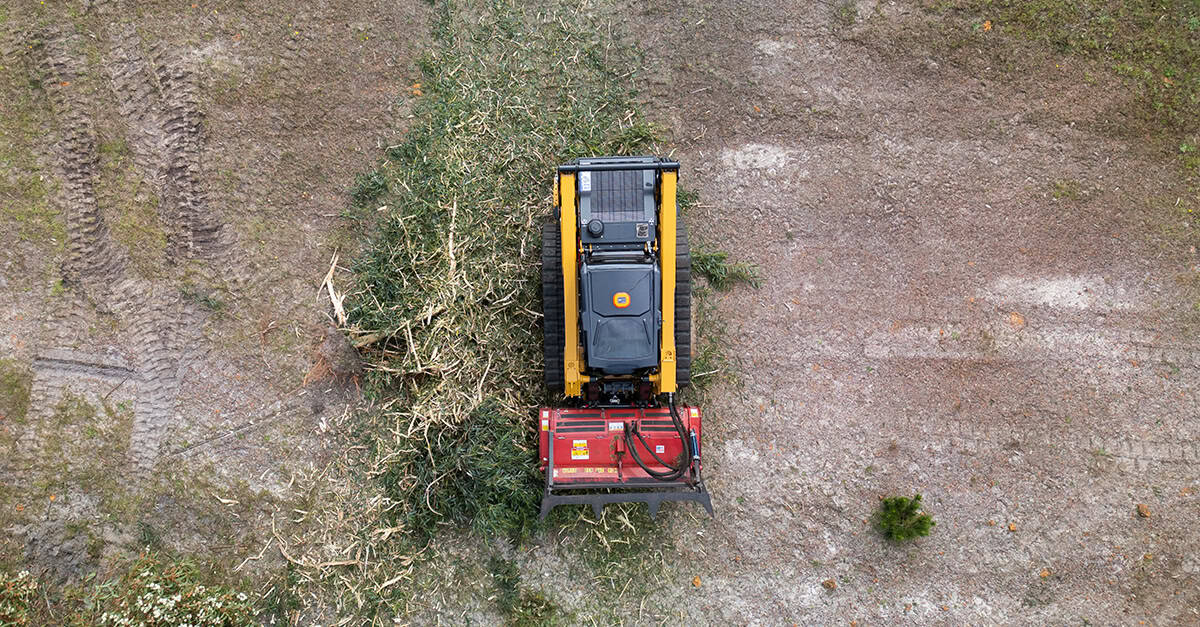
“We’ll come in and mulch the ground on the surface, instead of traditional methods of grubbing out the root system.”
“This is helping us to keep intact all the ground conditions while also returning nutrients back into the soil.”
“We engage in sustainable land clearing instead of, say, burning everything off or leaving our clients with big burn piles that they’ve later got to get rid of.”
“We come in, mulch everything in situ and then leave and you’ve got a clean product.”
“These services cater not just to private landholders but to commercial clients and public entities requiring expert intervention.”
Indeed, in the short stretch since its inception, Wild Earth Contracting has completed a range of impactful projects, such as:
- Restoration of degraded stream banks and wetlands to improve water health and support thriving native plant and animal life;
- High-integrity firebreaks designed in collaboration with local authorities and commercial clients, balancing utility with ecological sensitivity; and
- Selective clearing around critical infrastructure — fences, rock outcrops and drain lines — using machinery and techniques that avoid unnecessary damage.
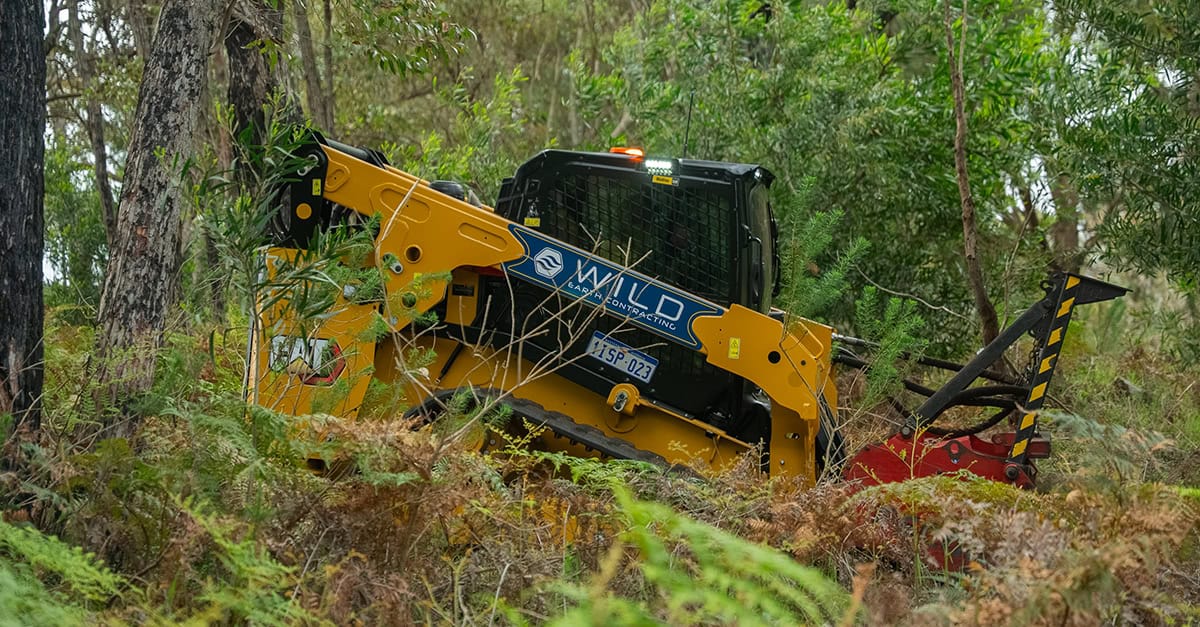
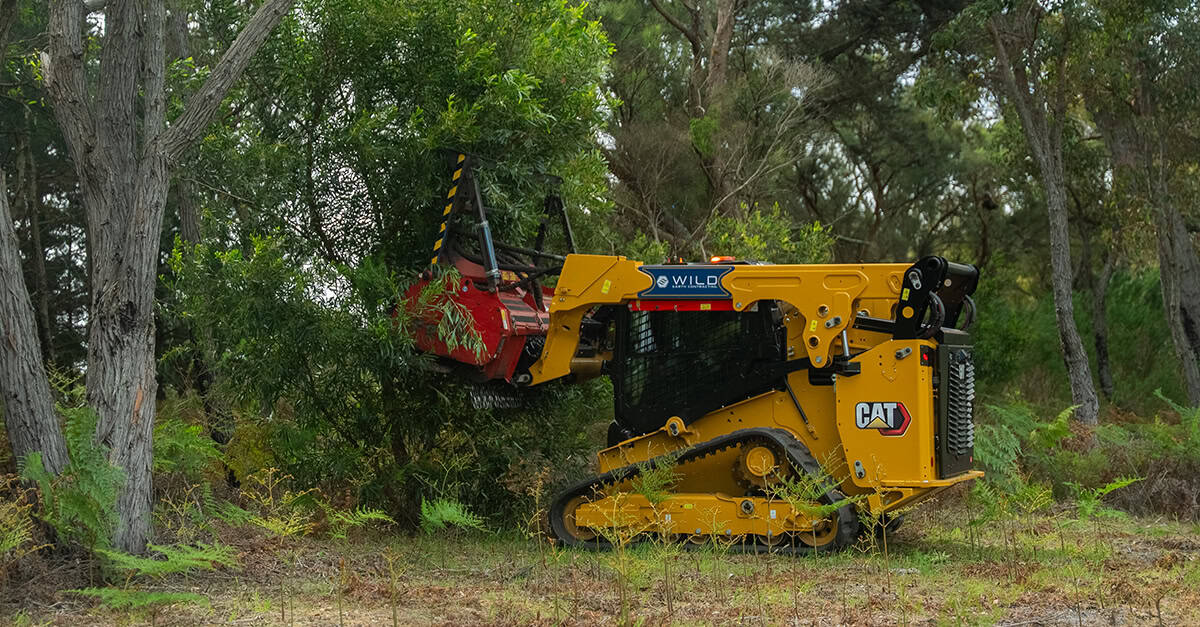
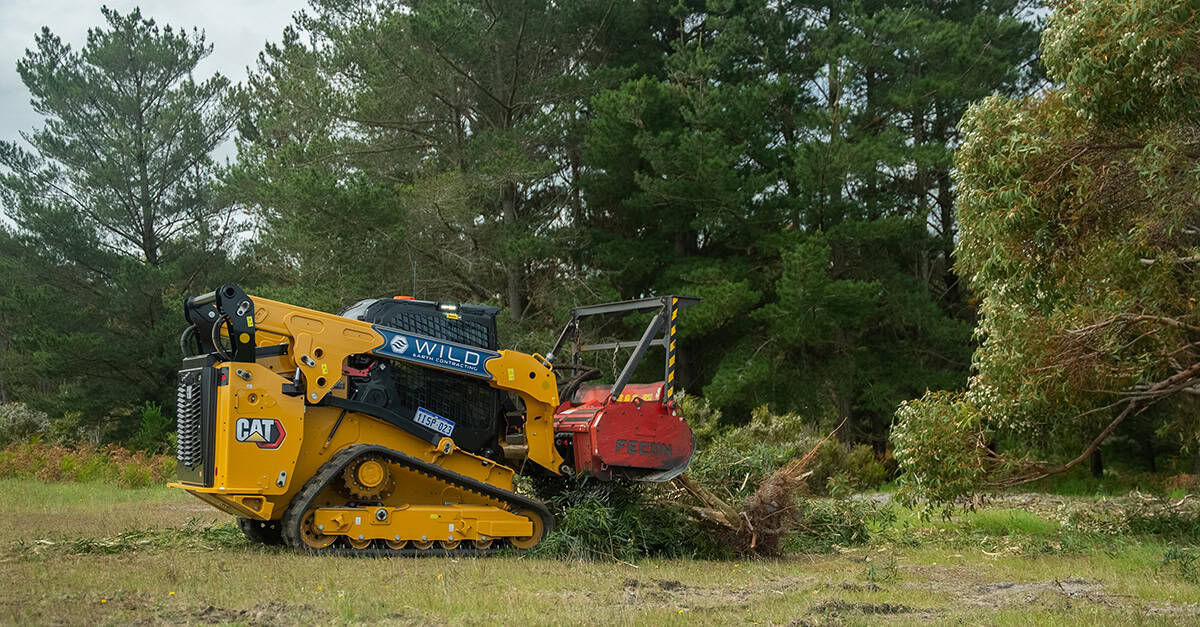
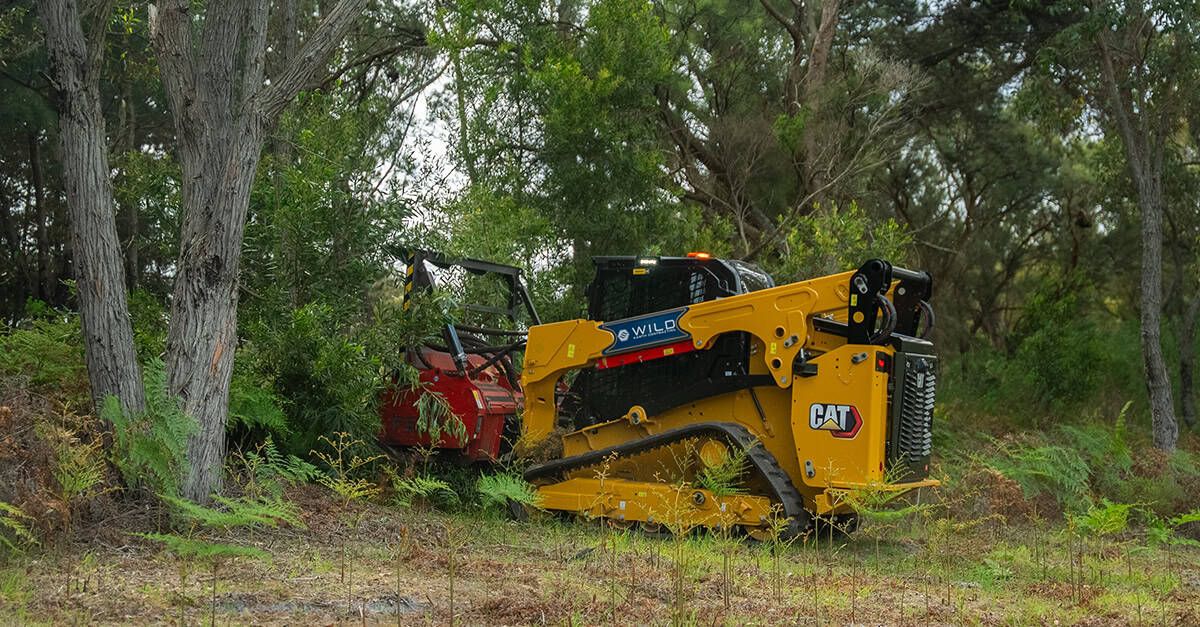
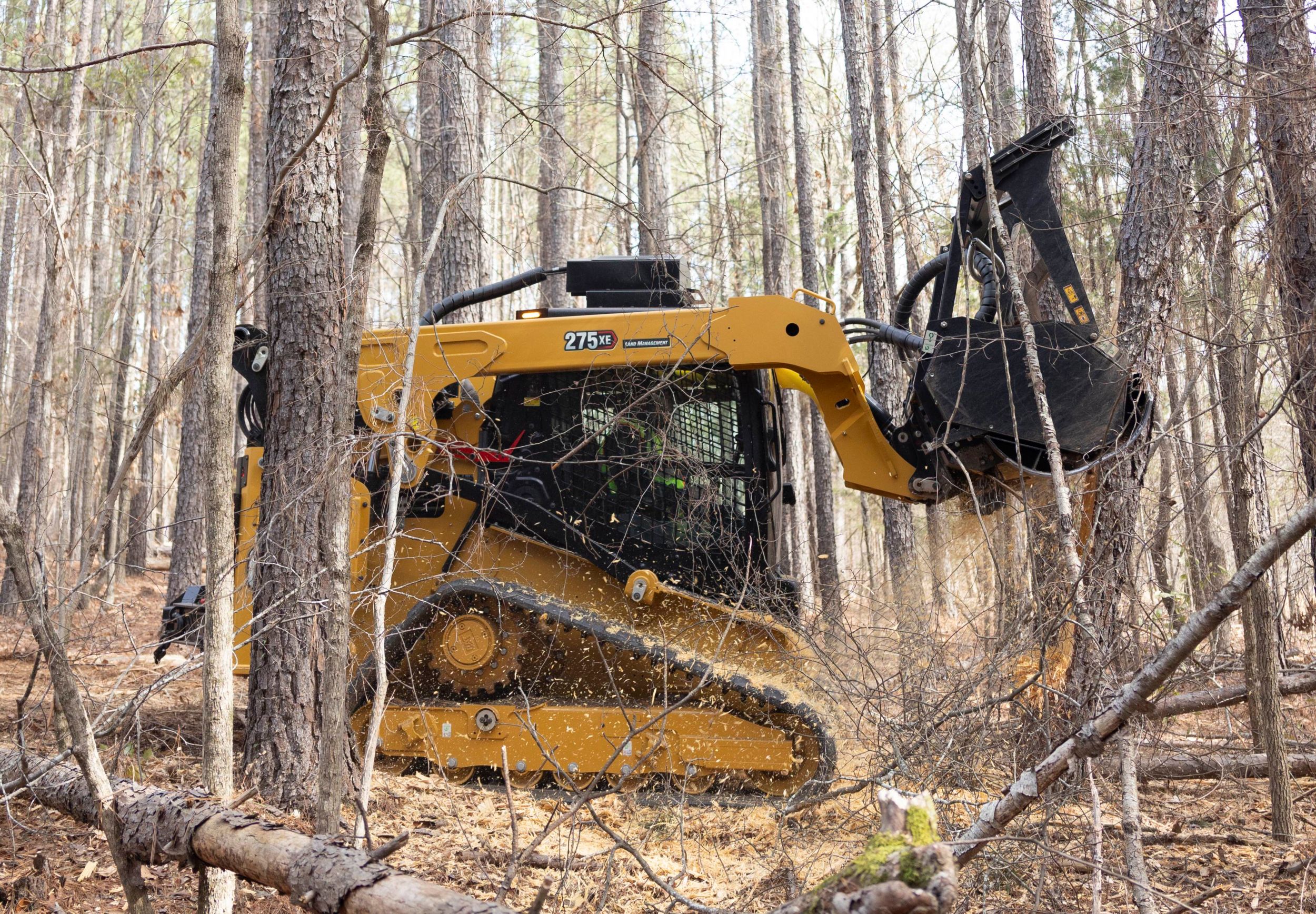
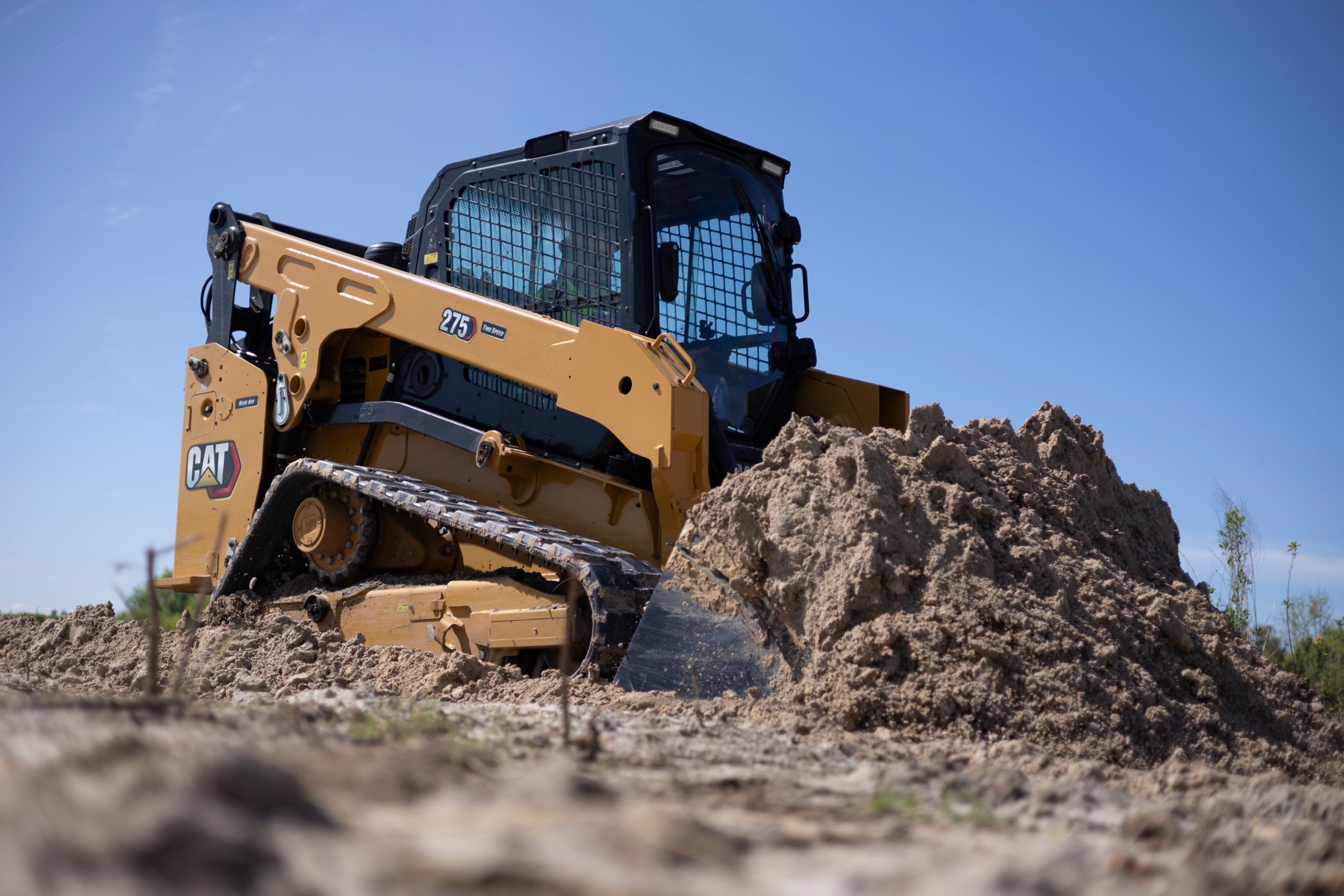
Cat 275 XE CTL in Action
The machinery bedrock
The yellow livery of Cat equipment has become a constant on Wild Earth’s sites, not because it is merely tradition, but because it is the difference between bold promises and consistent delivery.
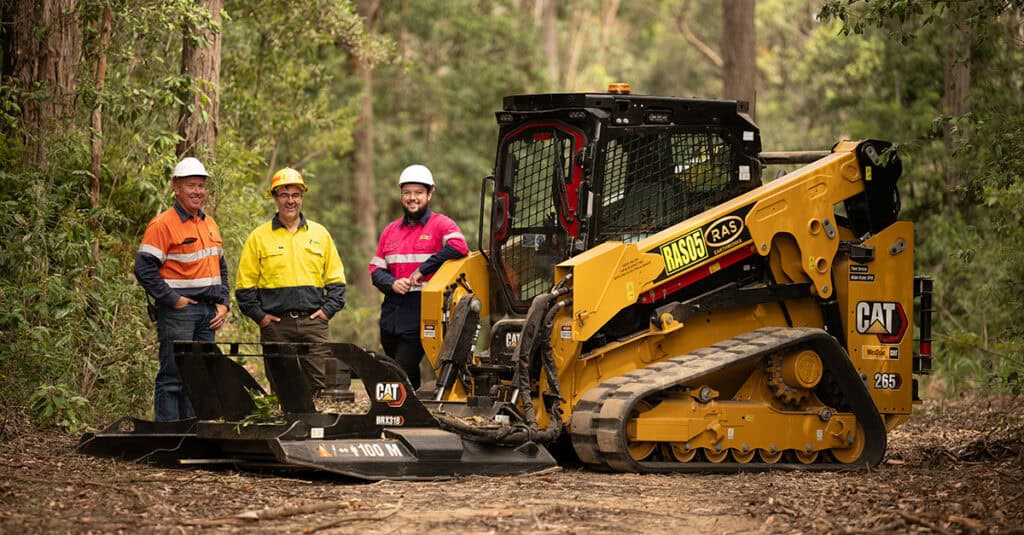
In the months following Wild Earth’s formation, Mason quickly decided the direction he wanted to take the business, placing an order for a Cat 275XE Compact Track Loader with land management package upgrade — the first such modified machine in Australia, perfectly suited to mulching and land cultivation applications.
The Cat 275 was introduced to Australia last year as part of the Next Generation line, featuring a significant increase in lift height and breakout forces, improved operator comfort in a redesigned cab, a high-performance powertrain with a more powerful engine, and the flexibility of three auxiliary hydraulic options.
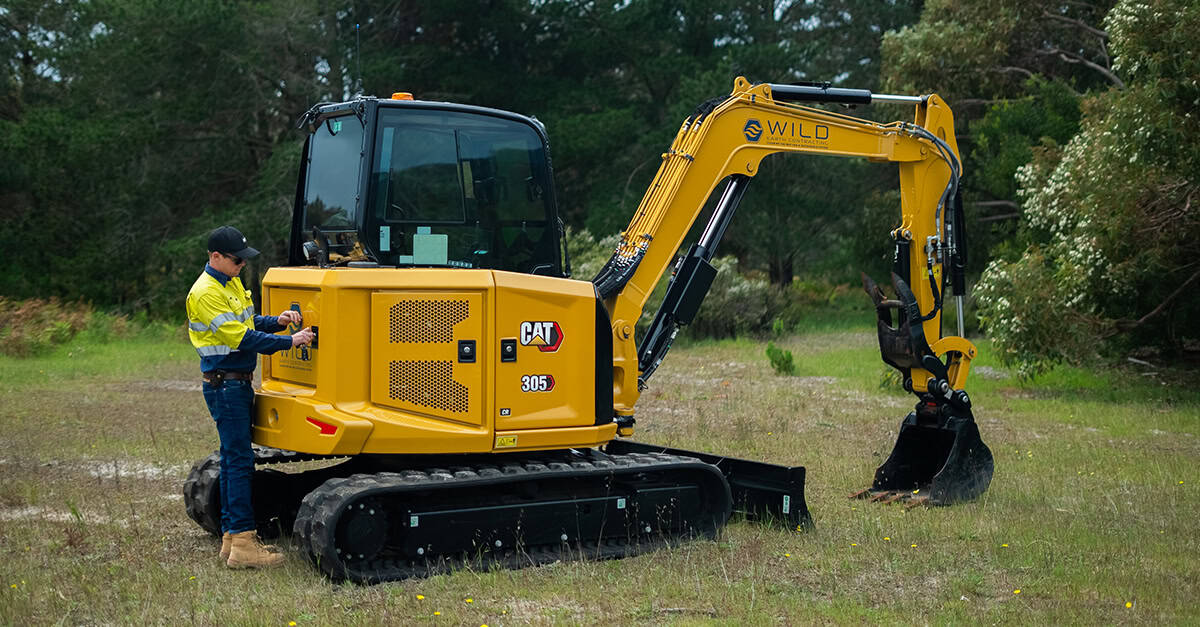
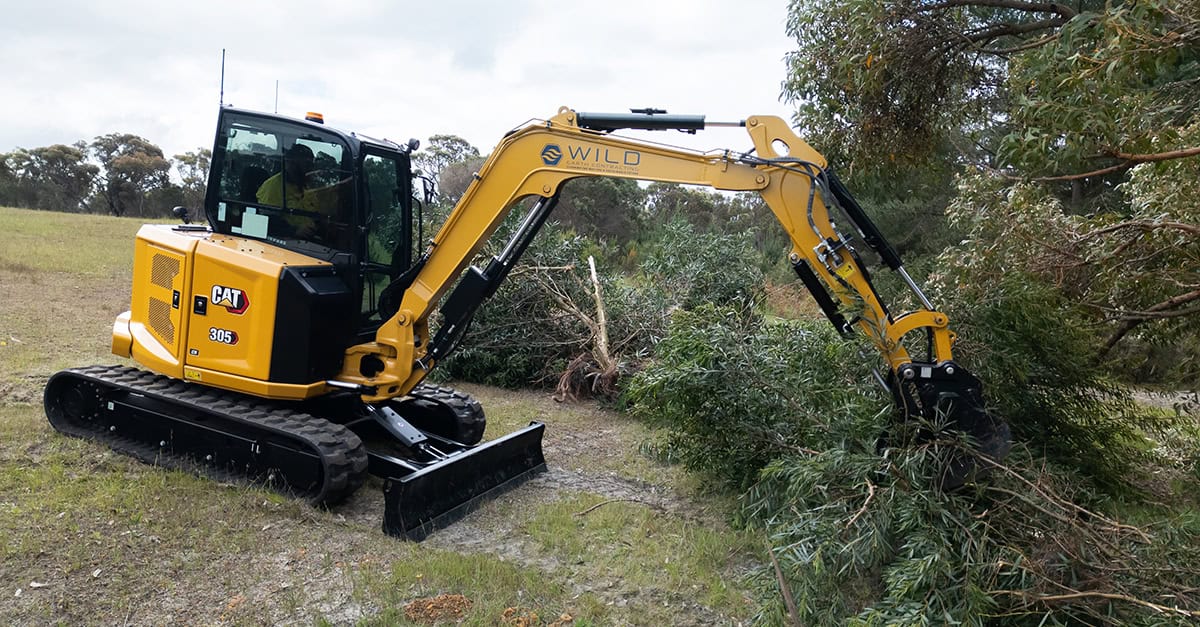
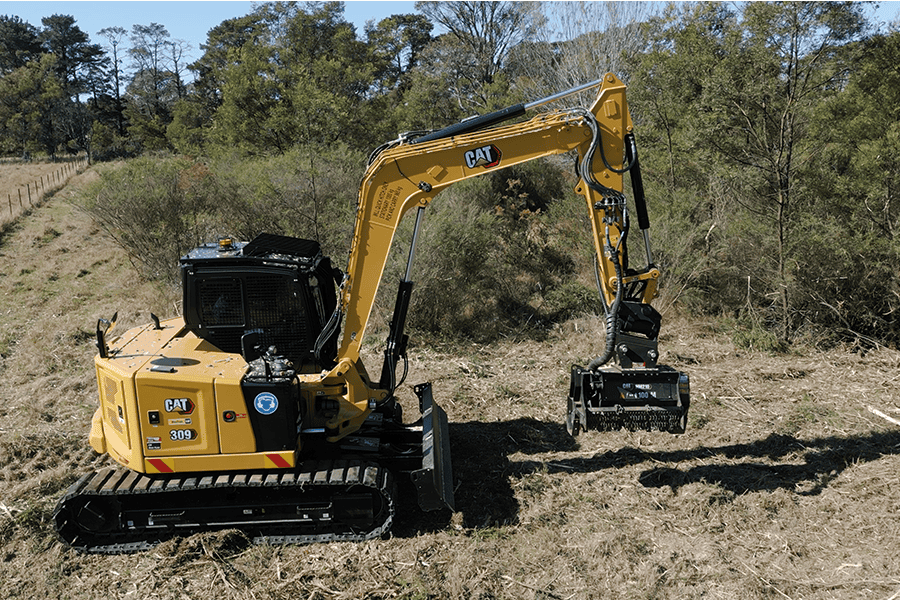
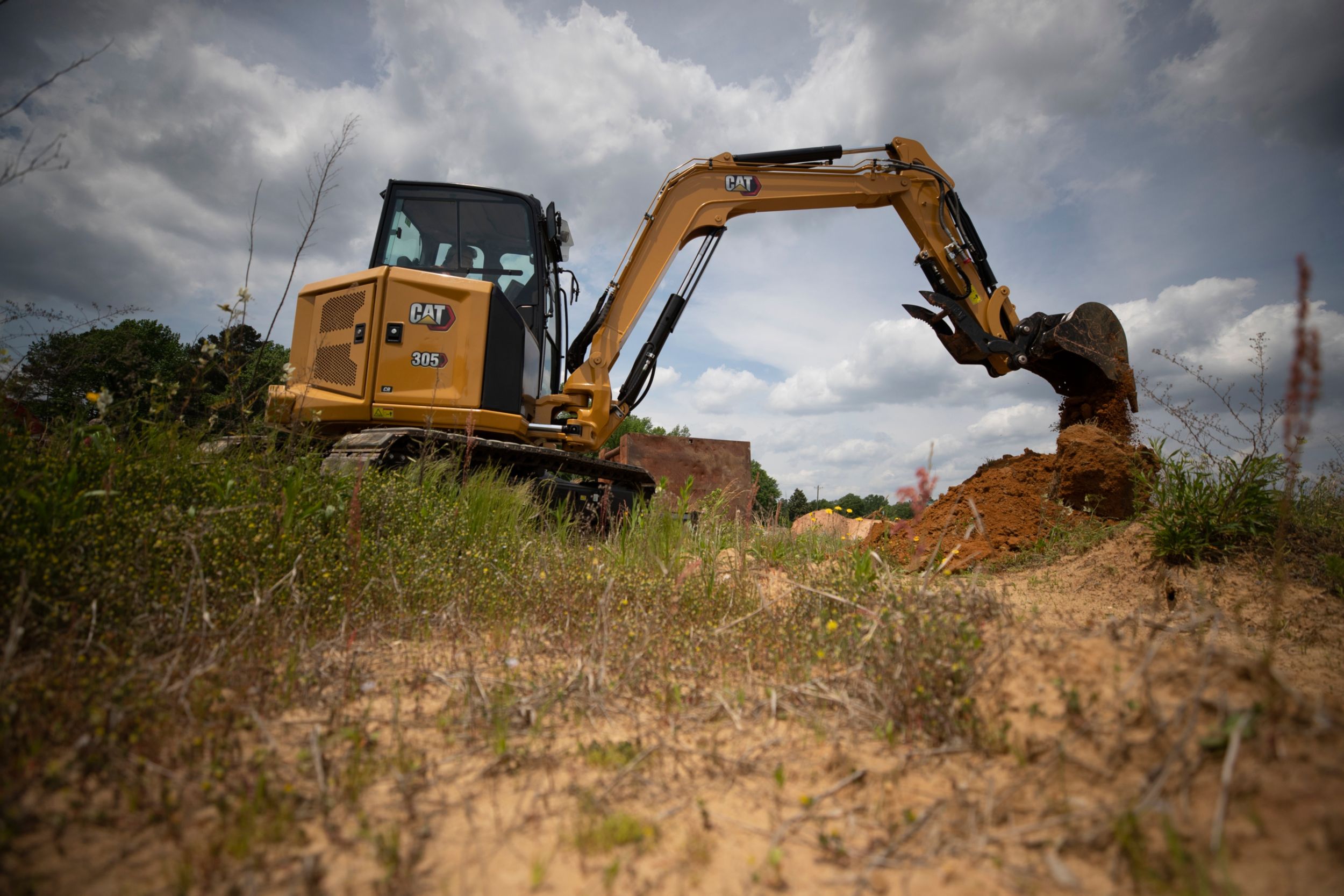
Mason now runs that CTL with mulcher, brushcutter and dozer blade attachments, alongside a Cat 305 Mini Excavator with a thumb attachment for handling larger material and selective clearing work.
“For Wild Earth, the Cat brand is synonymous with reliability, power and intelligent design,” Mason said.
“When we need to lift a 1.3t mulcher off the ground in dense bush or push through sketchy terrain, failure is not an option.”
“Cat machines have proven themselves in demanding conditions, and for those often working in remote locations, reliability is everything.”
The Cat 275XE, with its immense power, turbocharged engine and advanced hydraulic system, stands out as the workhorse driving Wild Earth’s operations.
When the mulcher digs in — often with more than a tonne hanging from the front end — the loader’s design, including independent hydraulic pumps for tracks and attachments, ensures maximum efficiency and manoeuvrability.
Mason said operator comfort was embedded within the loader’s electro-over-hydraulic controls and sealed cab, reducing dust intake — crucial in the windy Australian landscapes.
“The dozer-style undercarriage offers reliable traction, especially in uneven territory, and its ergonomic design means vegetation falls away effortlessly, preventing accumulation and fire hazards,” he said.
“It’s not just performance, but service. Caterpillar’s commitment to technical support and the ready availability of service extend this reliability, meaning Wild Earth can venture confidently into remote locations knowing downtime will not be a limiting factor.”
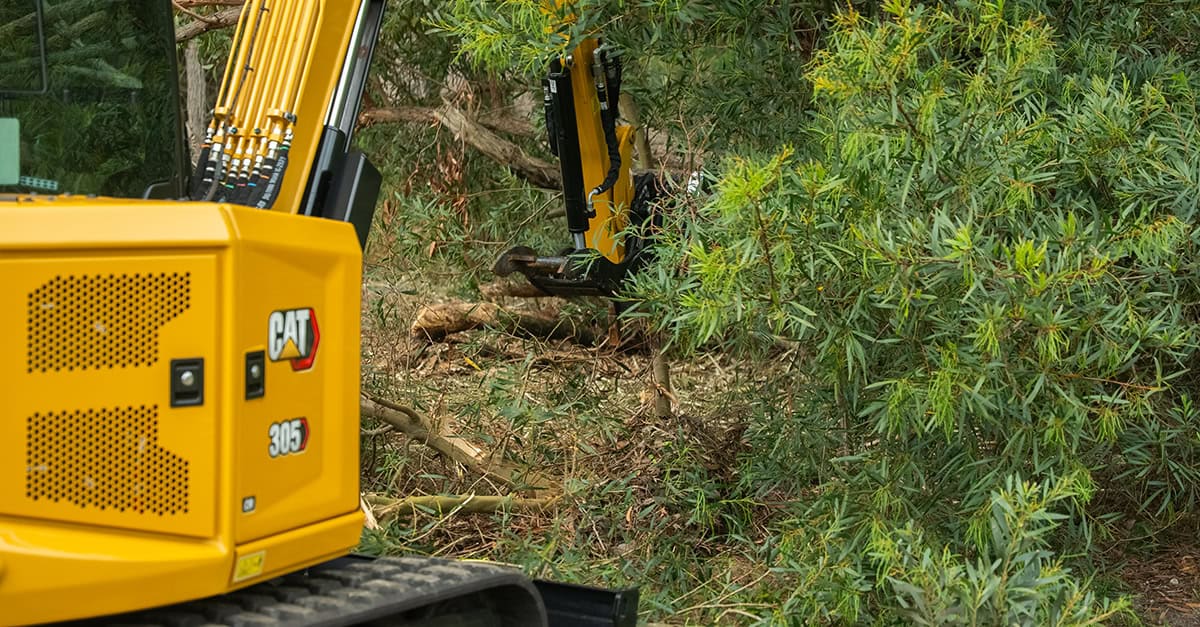
The Cat 305 Mini Excavator complements the loader, allowing the team to reach into creek banks, manipulate awkward materials and perform selective clearing in the most challenging of environments.
Cat 305 Mini in Action
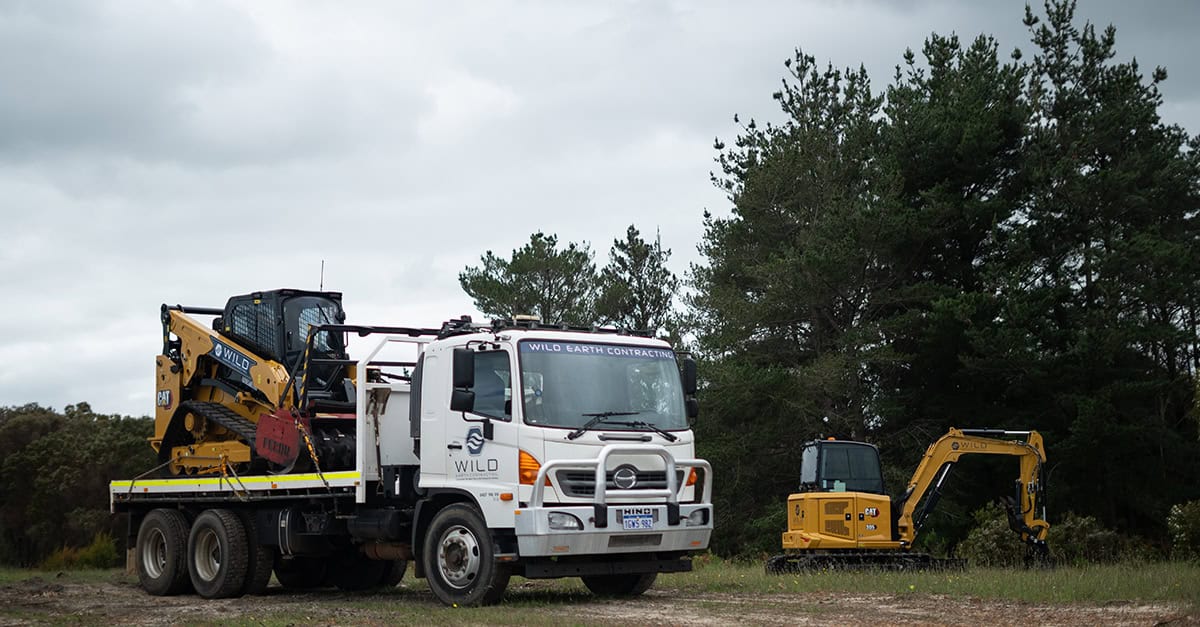
“For us, this versatility translates into more than productivity — it is the ability to innovate, to adapt projects and to continually offer safer, more ecologically relevant outcomes for clients,” Mason said.
“For areas we can’t get to by hand, or that are too big for us, we can take the 305 in and it can work around rocky terrain.”
“It’s a really versatile machine. We can pull out stumps and everything on one hand and then if we need to clean up afterwards, we can throw the tilt bucket on and pull everything out behind us.”
WesTrac is the way
Wild Earth procured the machines from WesTrac Account Manager Jake Lewis.
“As we were in the infant stage of our business when we approached Jake, money for us was tight,” Mason said.
“But Jake was patient. He worked with us the whole way and put us onto the 275 that was about to launch, and said that’d be a great fit for us down the track.”
“Fast forward about six months and we placed the first order.
“Ever since then, Jake’s kept us up to date with all the progress of the machine, from when it was being built over in the USA to when it landed here in Fremantle, even down to our doorstep.”
“WesTrac’s backup service, and everything that comes along with it, was excellent. It’s not just buying a machine; it’s the experience afterwards as well.”
“Our whole experience has been seamless. From the initial conversations to delivery and after-sales support, the communication and service from WesTrac, especially Jake, have been exceptional.”
“It’s reassuring to know that if anything comes up, I can pick up the phone and speak to someone who knows both me and my machines. That level of personal service has made a huge difference as the business continues to grow.”
“With WesTrac, it never feels like you’re just another number; you actually know the people behind the brand, which makes a big difference when you rely on your equipment day in and day out.”
For Jake, the feeling is mutual.
“WesTrac has a great footprint here in the Great Southern, supporting our customers like Mason,” he said.
“Based out of our Bunbury branch, we have 53 mechanics servicing the South West region, with some of them based in Albany as well.
“We’ve got a huge parts department back in Bunbury supporting this area — over 15,000 line items. We pride ourselves in how we support our customers in this region.”
Jake was excited about Wild Earth taking the 275XE for its operations.
“After spending a bit of time understanding Mason’s business and what exactly he was looking to use the machine for, we quickly realised we needed it to be a custom order from factory as a land management machine,” he said.
“Over the course of the next couple of weeks, we sat down and went through the configuration options from Caterpillar and specially built a machine to suit the sort of work he’s doing.”
“That included the land management package for all the extra guarding and protective covers, XE hydraulics for the high-demand work tools he’s using, block tracks for the tough conditions he’s driving on, triple flange idlers to allow him to work on steep terrain without tracks coming off, and reversing fans.”
Jake said one of the beneficial changes made with the Next Gen platform was enabling the land management package to be ordered in two different levels.
“Previously the land management package came with all the guarding plus an auxiliary cooler on top and large fuel tanks on the side, which wasn’t ideal for Mason’s business,” he said.
“We can split this up now. What we’ve ordered for Mason is stage one, which gives him all the extra guarding, protective covers, screw type connectors and reversing fan, but without the extra tanks on the side and the cooler on top.
“For Mason’s work in narrow plantation corridors, the fuel tanks were seen as a bit of an issue. And for the cold climates here in Albany, the auxiliary hydraulic cooler on the roof wasn’t necessary.”
Jake said that, all in all, it continues to be a “memorable journey” working with Mason.
“Customising this machine from the start, then six months later, getting to see it here working from all that effort we put in together was rewarding,” he said.
“It’s just great to see a young family getting into business and making it succeed.”
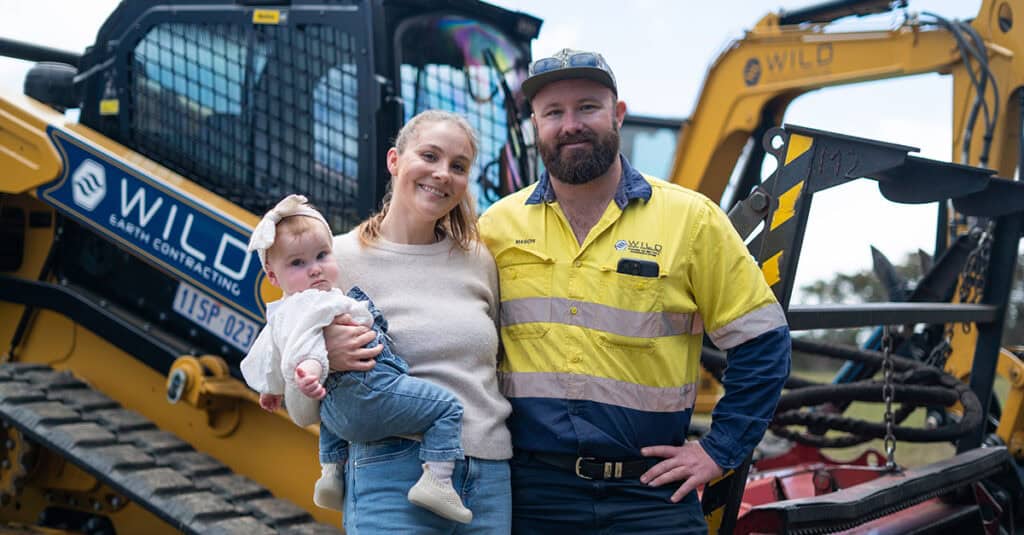
As for Mason, are there more Cat machines on the way?
“We would like to get our hands on a D1 dozer running a mulcher head,” he said.
“That would be fantastic, allowing us to tackle larger jobs, bigger material and bigger clients along the line.”

Contact Our Team
Earthmoving Equipment Magazine is a bi-monthly trade magazine for the booming Australian earthmoving industry. Since 2008, the magazine has provided readers with the latest news, insights, dealer profiles, and case studies featuring the latest plant and equipment from the world’s leading brands. Earthmoving Equipment Magazine is a must-read for earthmoving business owners, contractors, fleet managers, and operators – or anybody with a love for big, powerful machines.