1300 881 064
  FIND A BRANCH
 DIGITAL TOOLS







Where Machines Drive Themselves: A Loader’s View from the Pit
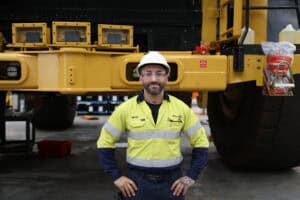
My name is Michael Bullock but you may of heard about my Instagram account with the nickname ”The English Earthmover” As the name suggests, I’m a heavy equipment operator originally from the UK, now based in Western Australia, and working in the iron ore mining industry. I’ve been based in Perth for 14 years now, so maybe I need to think about changing my nickname!
I’ve been working in iron ore mining for almost 6 years. Prior to that I’ve worked across WA on various mine site infrastructure and expansion projects, with bulk earthworks, heavy civil, pipelines, highway, and dam construction projects.
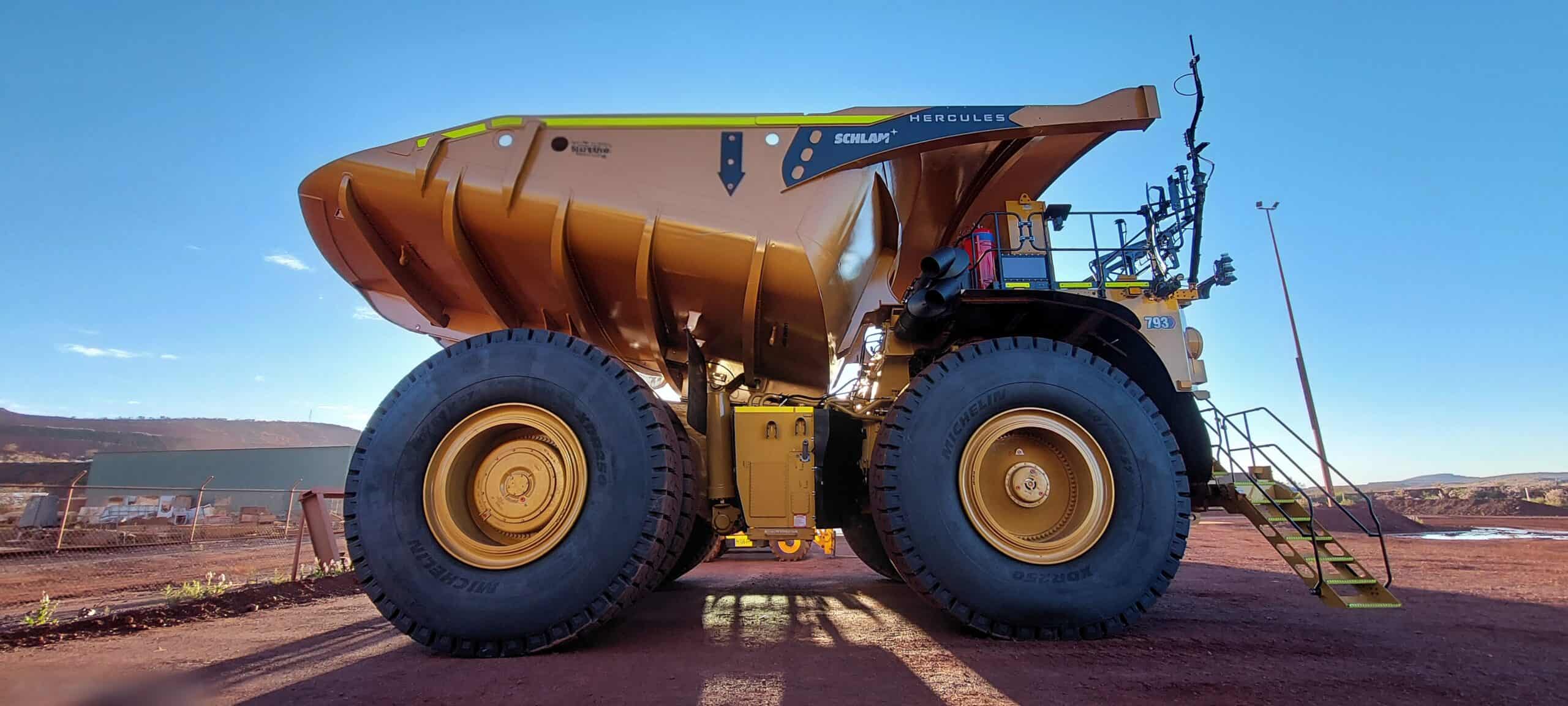
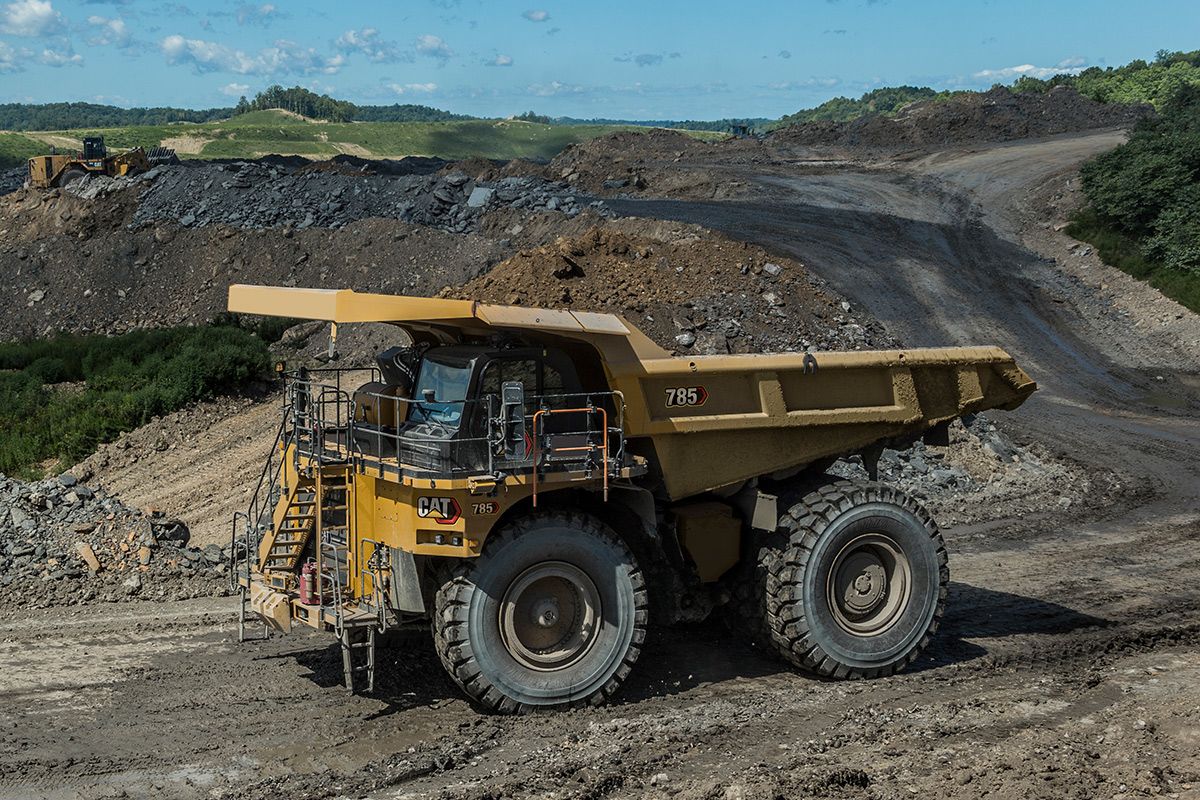
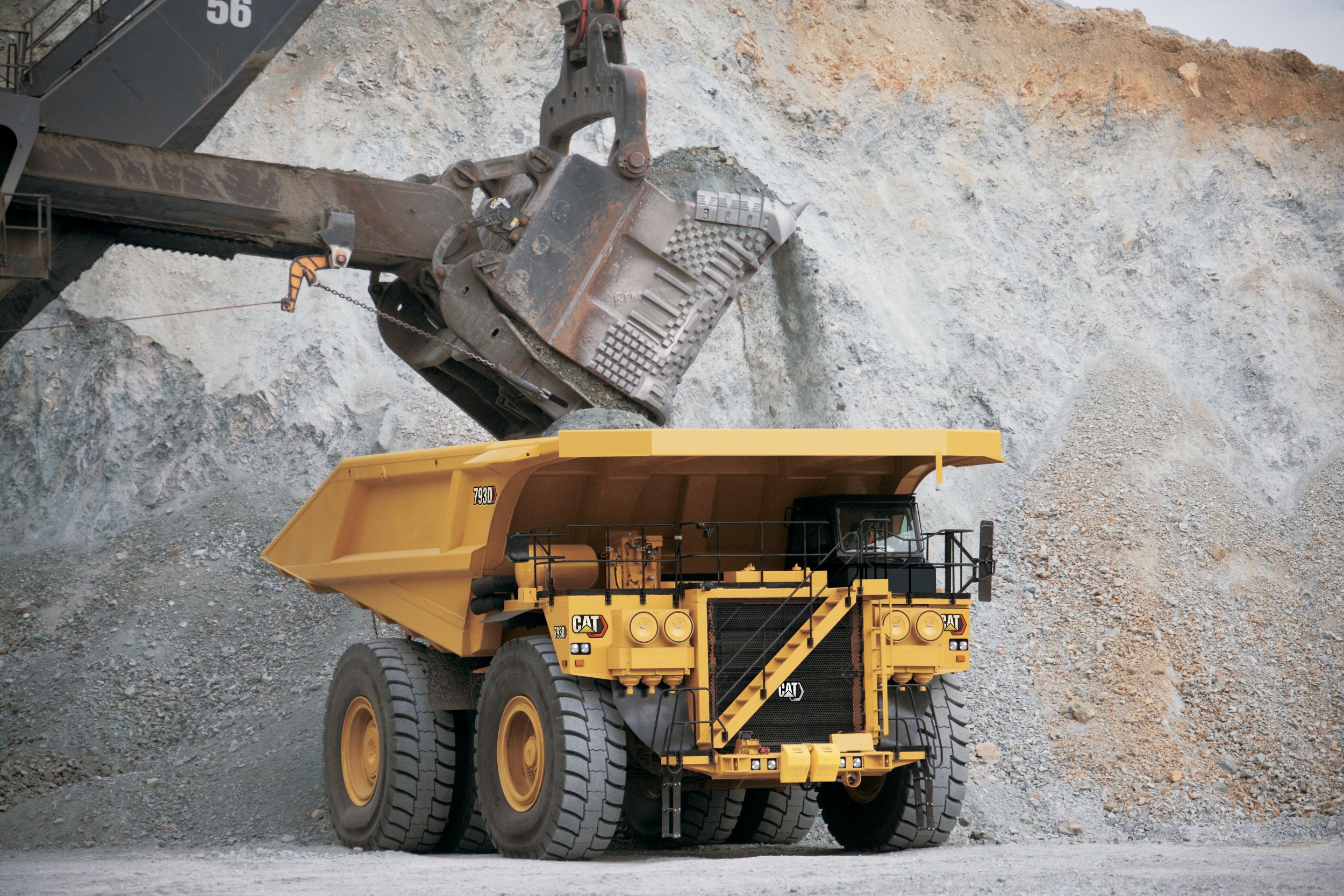
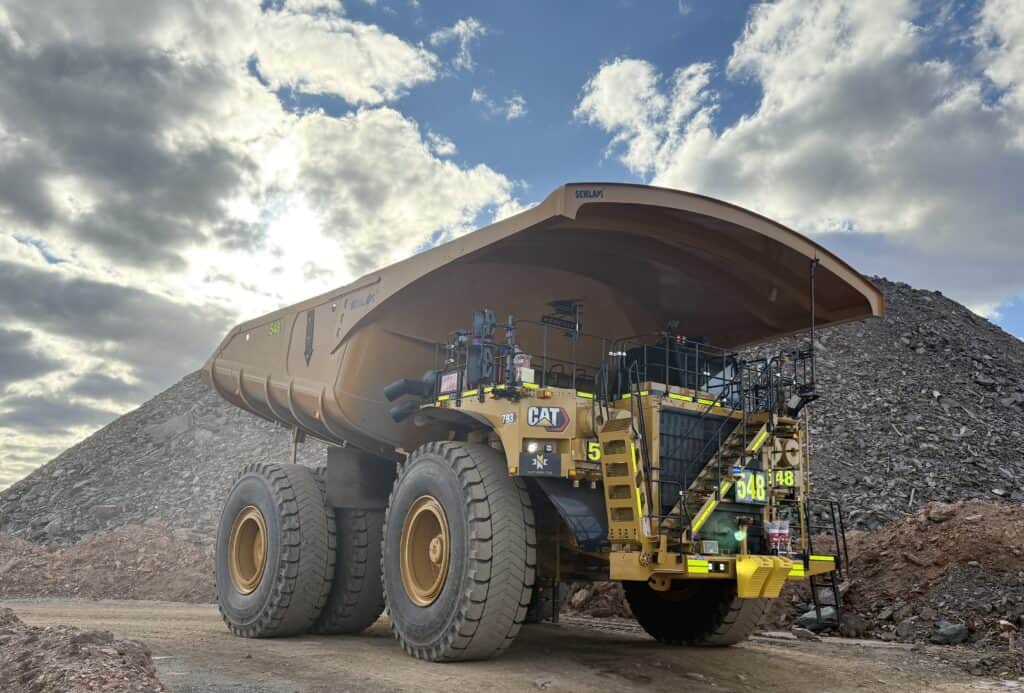
My role currently is a production excavator operator using a fleet of Cat 793 Mining Truck with Cat MineStar Command for Hauling.
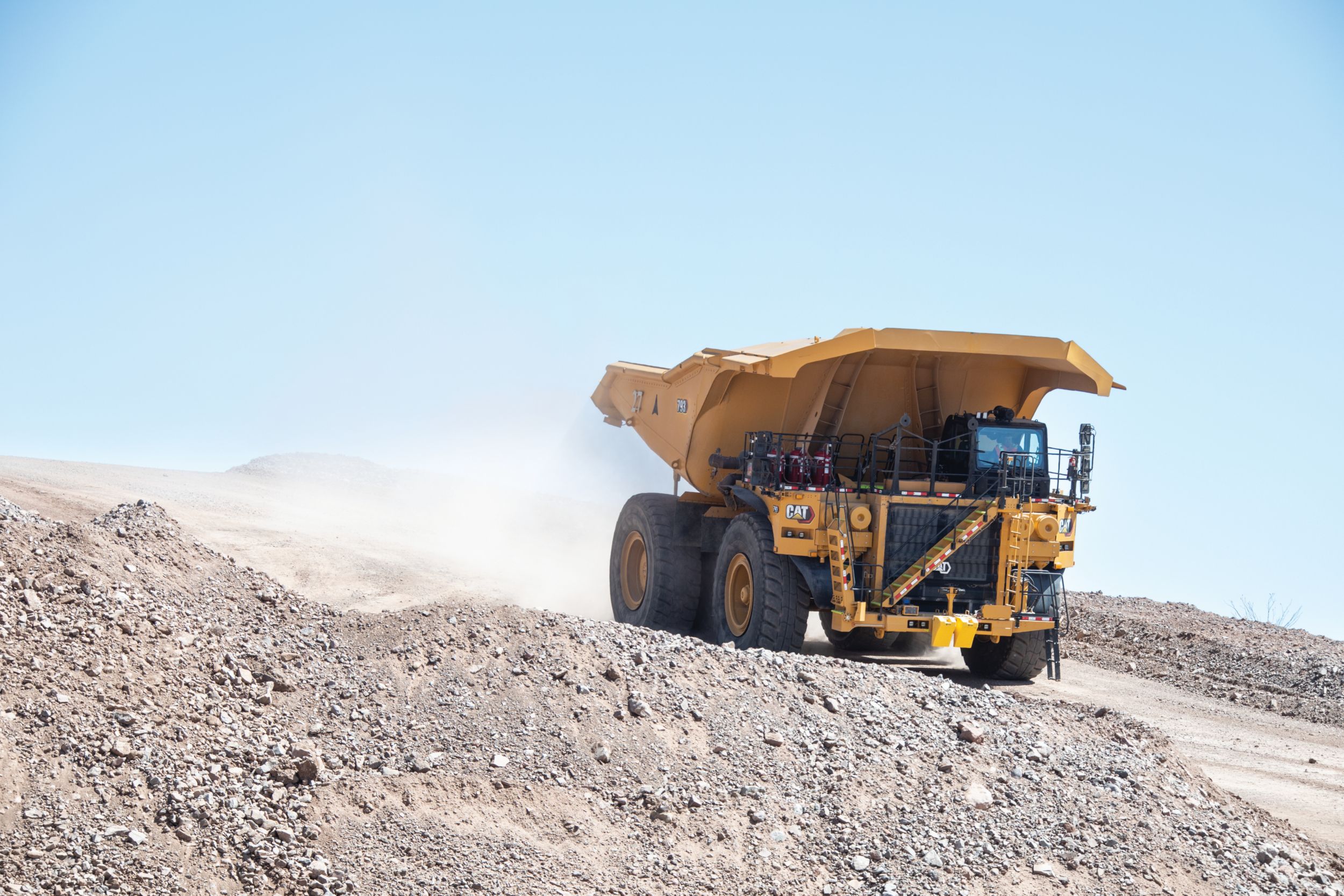
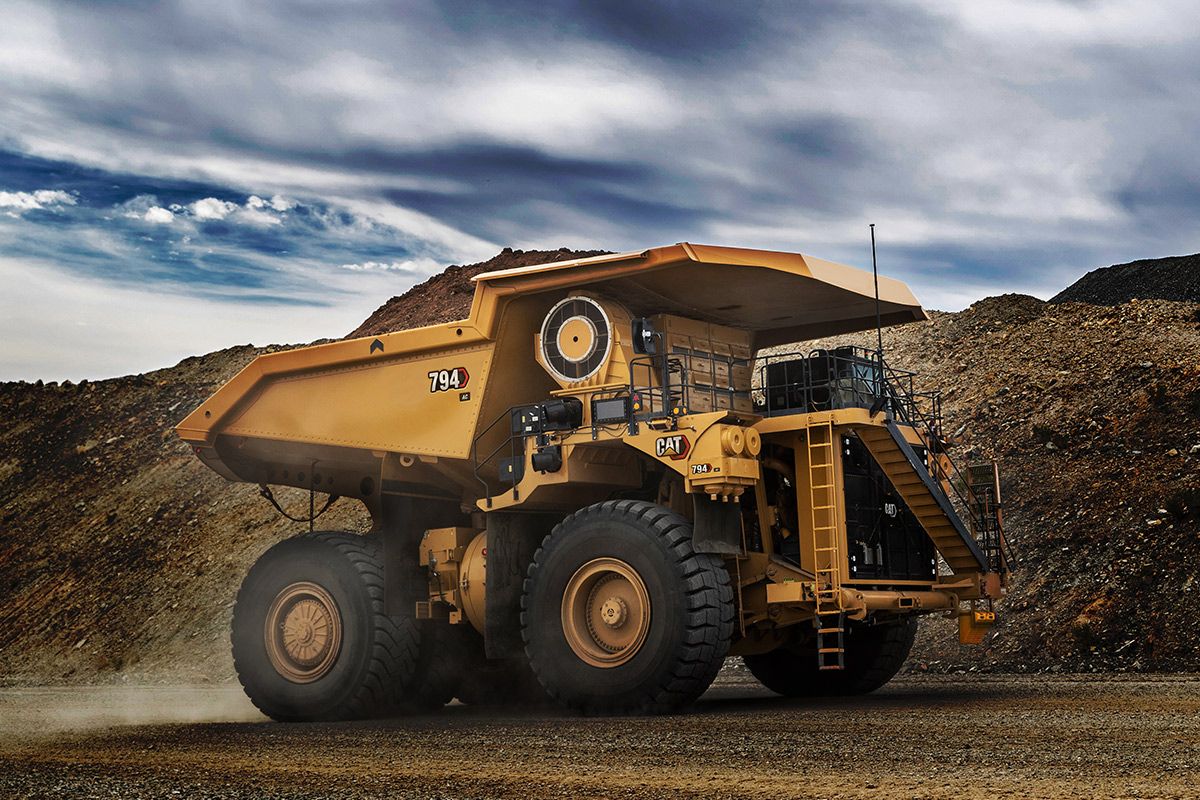
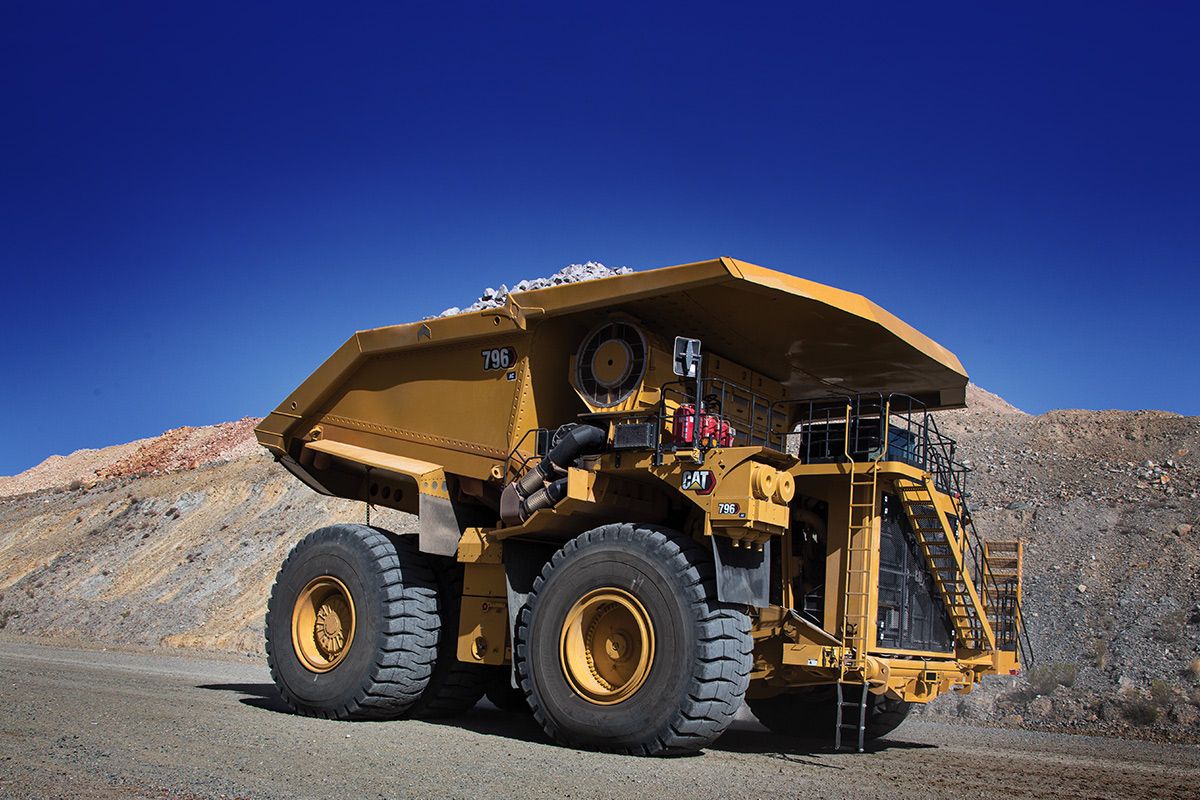
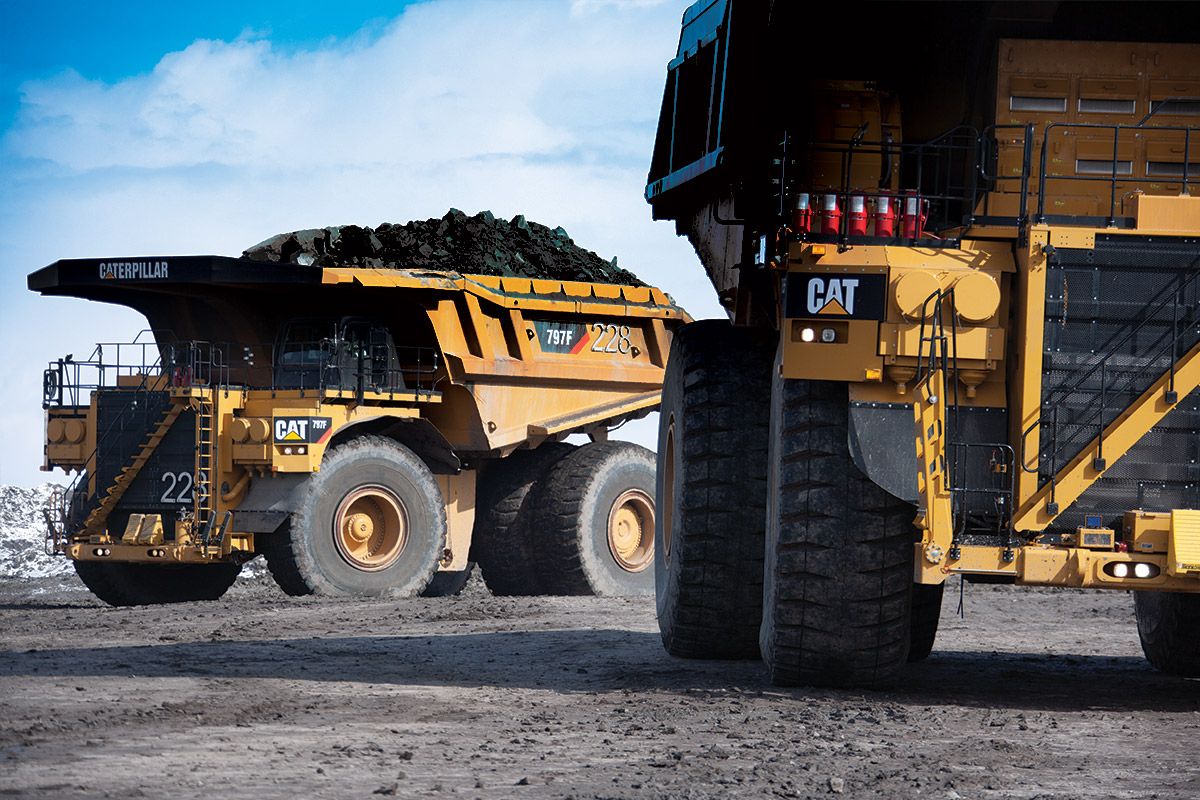
About a year and half ago, a fleet renewal of Cat Next Generation 793s rolled in replacing the F series. There are now around 65x trucks on the site that I currently work at.
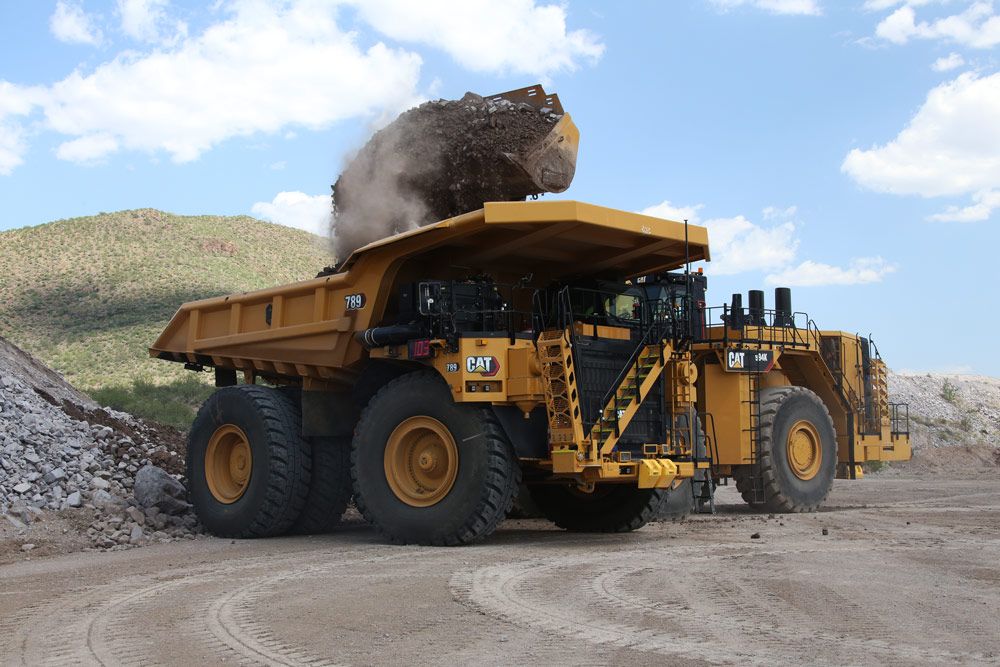
As an excavator operator, I’m responsible for selecting a loading “spot” position using the MineStar screen in the cabin and using the excavator’s joysticks and buttons. Once I’m happy with the angle of the spot position, I then call a AHT into the bay to get loaded.
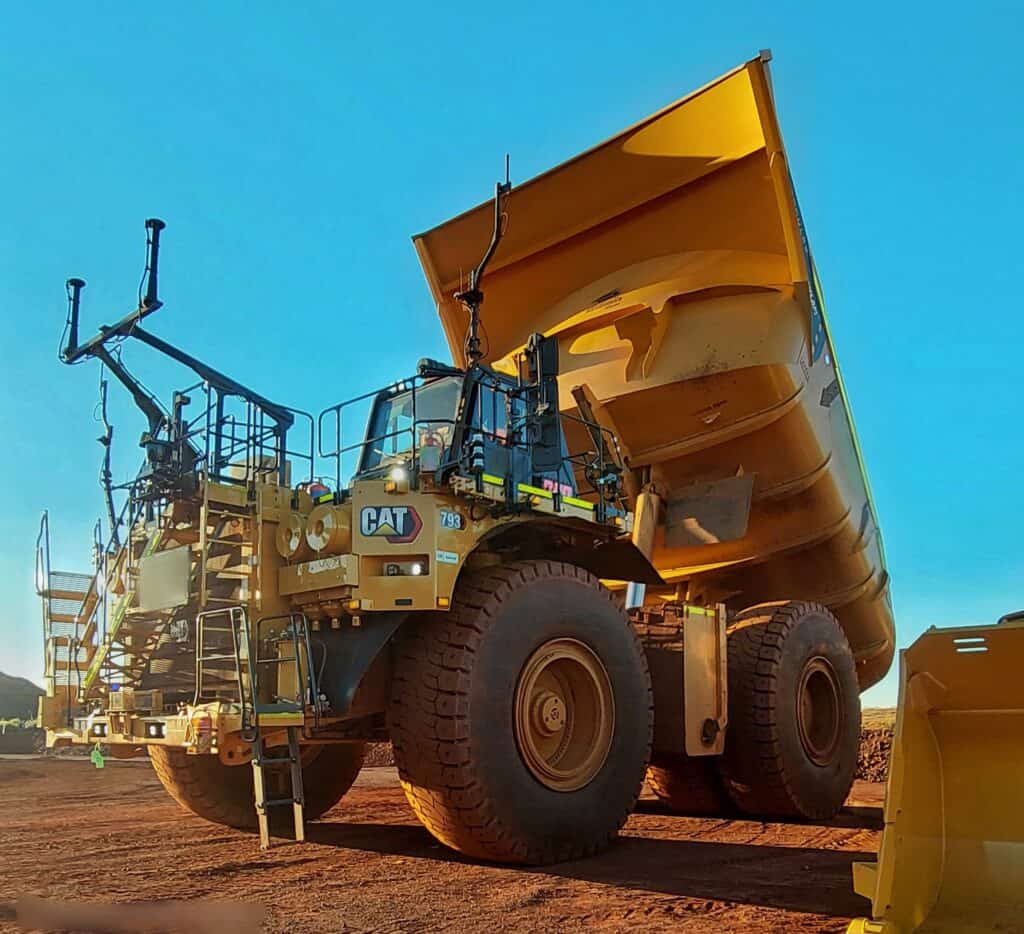
The next truck in the queue can then be called into a waiting “cusp” point. This means the truck is ready to reverse into the loading position but it can only do so once I’ve sent the first truck out fully loaded.
The whole process becomes seamless. I can select multiple angles for the truck loading position, and I have the option to alter truck queue cusp points preferenced to either the left or right area of the pit floor.
All running paths are clear to understand and there’s no wild random routes the trucks take. This process ensures dozer and grader operators can quickly and easily understand the future movements of the truck fleet.
With around 65 trucks, we are moving serious tonnes of material in one of the toughest operating environments on the planet – the intense heat and dust of the Pilbara region.
Before I jumped across into mining, I’d noticed a lot of progress had been made with autonomous technologies like Cat MineStar. As an operator who’s seen traditional staffed trucks and the transition to autonomy, I’ve had a front row seat to one of the biggest technological shifts our industry has ever seen.
This is my first-hand take on MineStar Command for Hauling – what it is, how it works, and why I’m such a big believer in it.
What Is Cat MineStar Command for Hauling?
For anyone outside mining, the idea of a 265 US ton haul truck driving itself probably sounds like science fiction. In simple terms, Cat MineStar Command for Hauling is Caterpillar’s autonomous operating system that allows haul trucks to run without an operator onboard, following pre-planned routes and interacting safely with other equipment and people on site.
The trucks use a combination of GPS guidance, onboard sensors, radar, obstacle detection systems, and central control software. Every movement—accelerating, braking, steering, dumping—is precisely managed. From a control room, controllers monitor the fleet in real time. By providing MineStar with the mine plan, MineStar can automatically assign each autonomous truck to the most efficient loading tool, reducing unnecessary queue times and factoring in the real-world pit environment.
I reckon the big benefits are easy to understand:
- Safety – removing operators like me from high‑risk environments
- Consistency – trucks operate the same way every lap, every shift
- Productivity – no fatigue (I love this), no distractions, and minimal downtime (my employer loves this)
- Efficiency – optimised haul routes, speeds, and fuel usage
Even if you’ve never set foot on a mine site, the logic is clear: fewer variables lead to better outcomes.
My Experience with Cat MineStar Command for Hauling
When I first started seeing autonomous trucks fully loaded travelling at 60kph on a haul road, it completely spun me out! Well it still does to this day! I’ll be honest—it was a big mindset shift. But from what I’ve seen MineStar earns that trust quickly.
Some key points I think are great are;
- sections of haul roads and floors can have individual speed zones, due to rutted roads or rough floors. Once fixed with a motor grader the speed can be increased.
- wet season rains can instantly bring a dusty mine site to a halt. A site wide weather speed zone can be instantly added with increased wheel slip traction applied.
- the new 793 NG have a 10 tonne higher rated payload than the previous 793F fleet. Also the NG trucks are quicker loaded up gradients.
- the whole Cat MineStar system is easy-to-use and all material blocks are linked to to the trucks, so each truck knows if it has waste material and, if so, it heads to the waste stockpile dump or if its high-grade iron ore it knows to head to the primary crusher.
- the use of AHT’s has reduced the amount of two-way radio chatter because the trucks know where they are going. There are no confused truckies asking where to go to tip off!
What stands out to me most is how smooth and deliberate the trucks operate. The Cat 793 NG running on Command for Hauling doesn’t rush, doesn’t get sloppy, and doesn’t cut corners. Every stop at the excavators or wheel loaders, every dump, every interaction with light vehicles or staffed equipment is controlled and predictable.
From my perspective, the safety improvements are massive. People aren’t sitting in the cab during long night shifts, in dust, heat, and fatigue inducing conditions. Near miss potential is also dramatically reduced because system reacts faster than any human ever could – in short, it all means people going home safe.
I also love how data driven MineStar is. Dig unit performance, cycle times, delays—everything is measured. That feedback helps the whole operation improve, not just the machines. When something needs tweaking, it’s based on facts, not guesswork.
These days autonomy doesn’t feel like the future—it feels like the standard.
Why Caterpillar Leads the Way
I’ve worked around plenty of machines in my career, and I genuinely believe Caterpillar is in a league of its own. The 793 NG is powerful, reliable, and built for mining at scale. But what really sets Caterpillar apart is how well their machines and technology integrate.
MineStar Command for Hauling isn’t a bolt-on system; it’s designed from the ground up to work with Cat equipment. That shows in the reliability, the uptime, and the way the mining trucks handle real world mine conditions day after day.
Caterpillar doesn’t just build machines—they build complete solutions. From iron to software, from the pit to the control room, everything is engineered to work together. As someone who works with this gear and sees it perform shift after shift, that matters.
Final Thoughts from the Pit
Autonomous haulage has changed mining forever, and Cat MineStar Command for Hauling is leading that change. From improved safety to consistent performance and smarter operations, the benefits are real and measurable.
I’m proud to be part of this evolution. Seeing Cat autonomous trucks moving earth has shown me what’s possible when world‑class machinery meets world‑class technology.


Contact Our Team
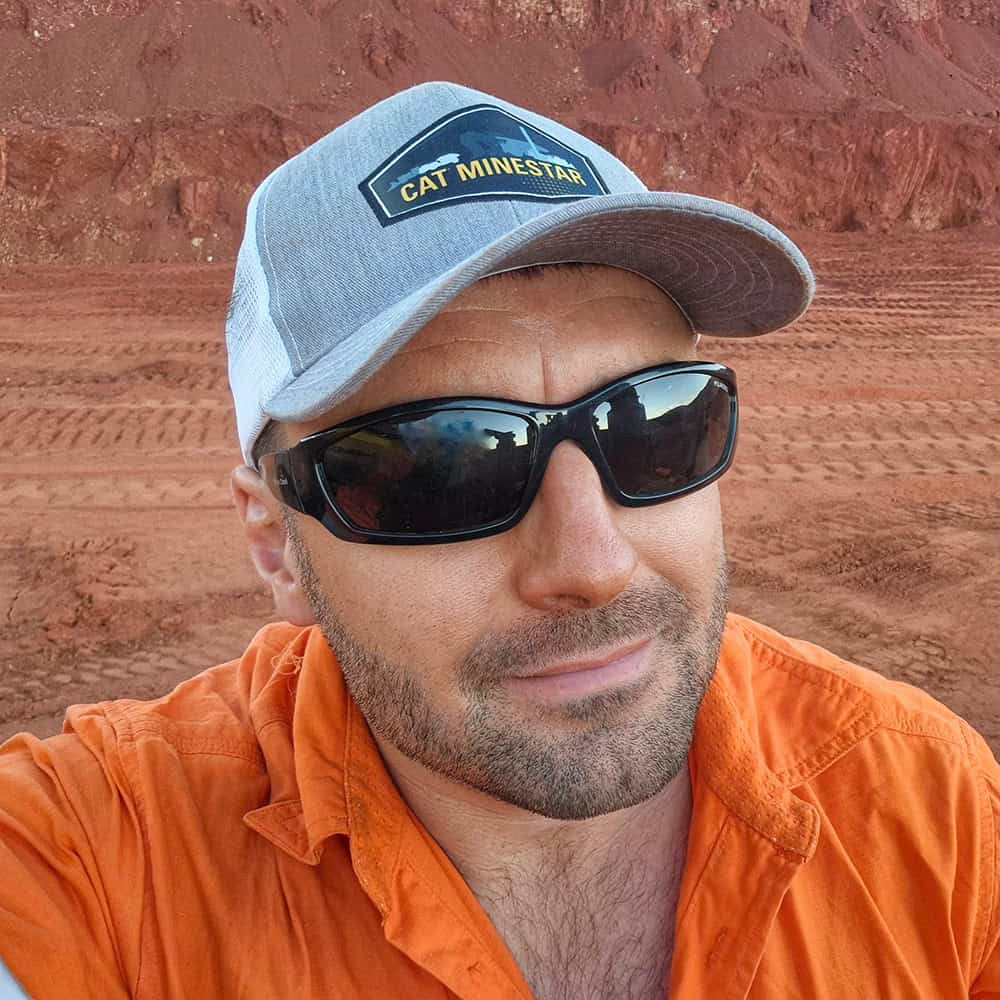
Michael Bullock, known on Instagram as @the_english_earthmover, is an English-born heavy machinery operator who moved halfway around the world to build a career in Australia’s mining and earthmoving industry. Now a production excavator and dozer operator at a large iron ore mine in Western Australia, he’s earned a loyal following by sharing striking photos and insights from life in the “Dirt World,” documenting everything from massive earthmoving machines to unique projects across the outback. His passion for equipment extends beyond active worksites—he also explores and photographs abandoned or forgotten machinery, a fascination that led him to launch a second Instagram account dedicated to “abandoned earthmovers.”