1300 881 064
  FIND A BRANCH
 DIGITAL TOOLS









Choosing a Larger Cat Mini Excavator (305–310): Part 2
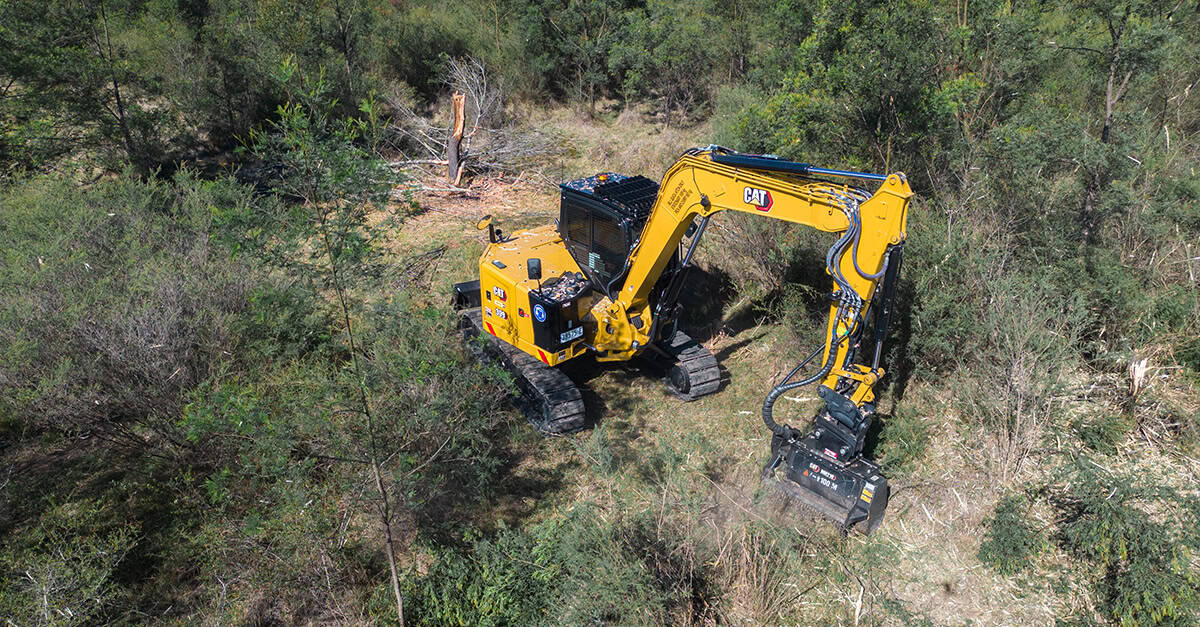
When a Bigger Mini Excavator Makes Sense
In Part 1, we looked at smaller mini excavators and where they perform best. But as your workload grows, there comes a point where those machines start to limit your productivity.
Stepping up to a larger Cat mini excavator allows you to take on bigger jobs, work faster and expand your capabilities.
This article focuses on the 305–310 range, where you get more power, more reach and greater versatility.
What Sets the 305–310 Range Apart?
Machines in this category typically range from 5 to 11 tonnes, offering a clear jump in performance.
With that increase in size comes:
- Greater stability on site
- Deeper digging capability
- Higher lift capacity
- Stronger hydraulic performance
In simple terms, you can do more work in less time.
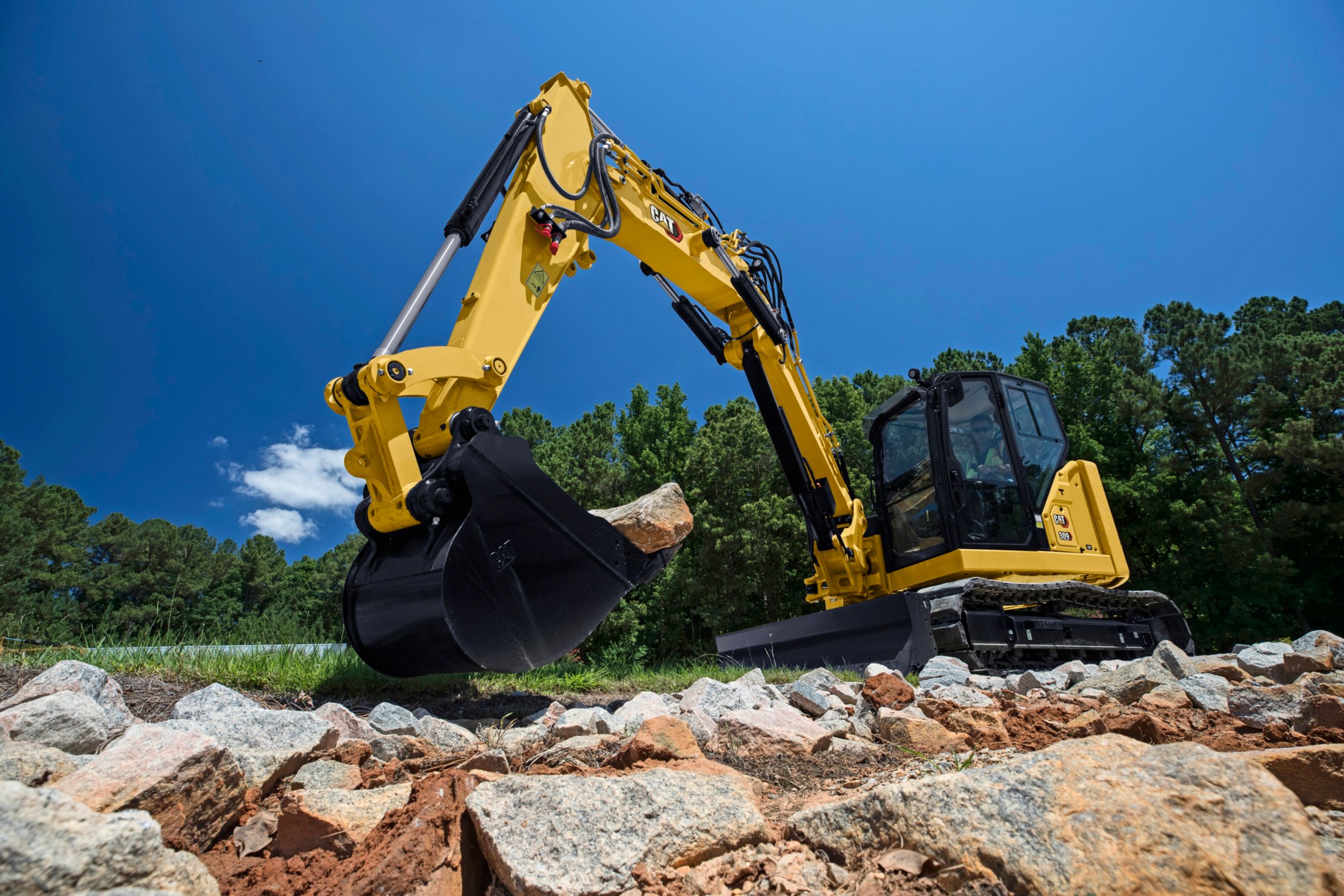
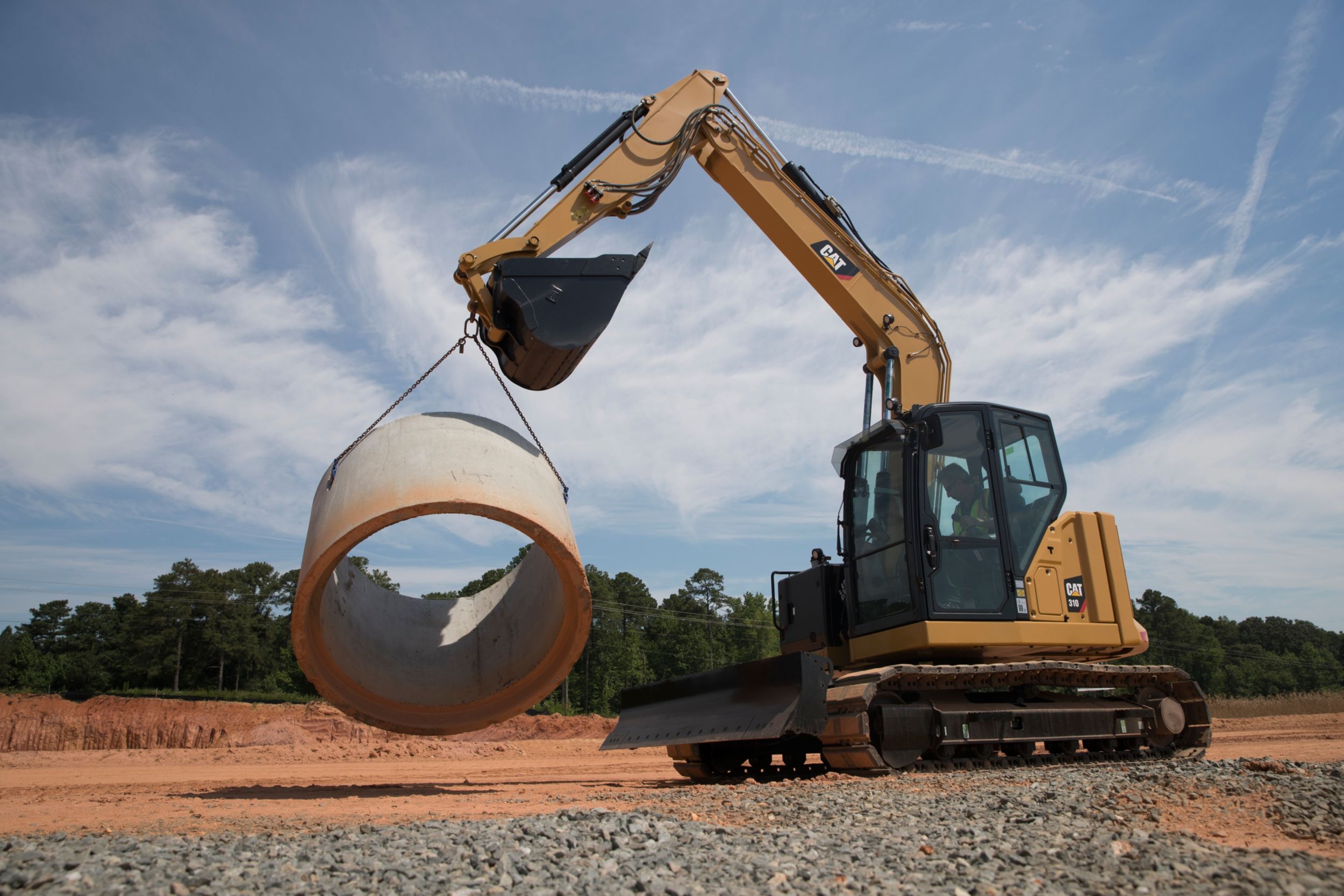
Cat Mini Excavator Models: 305 to 310
This range includes:
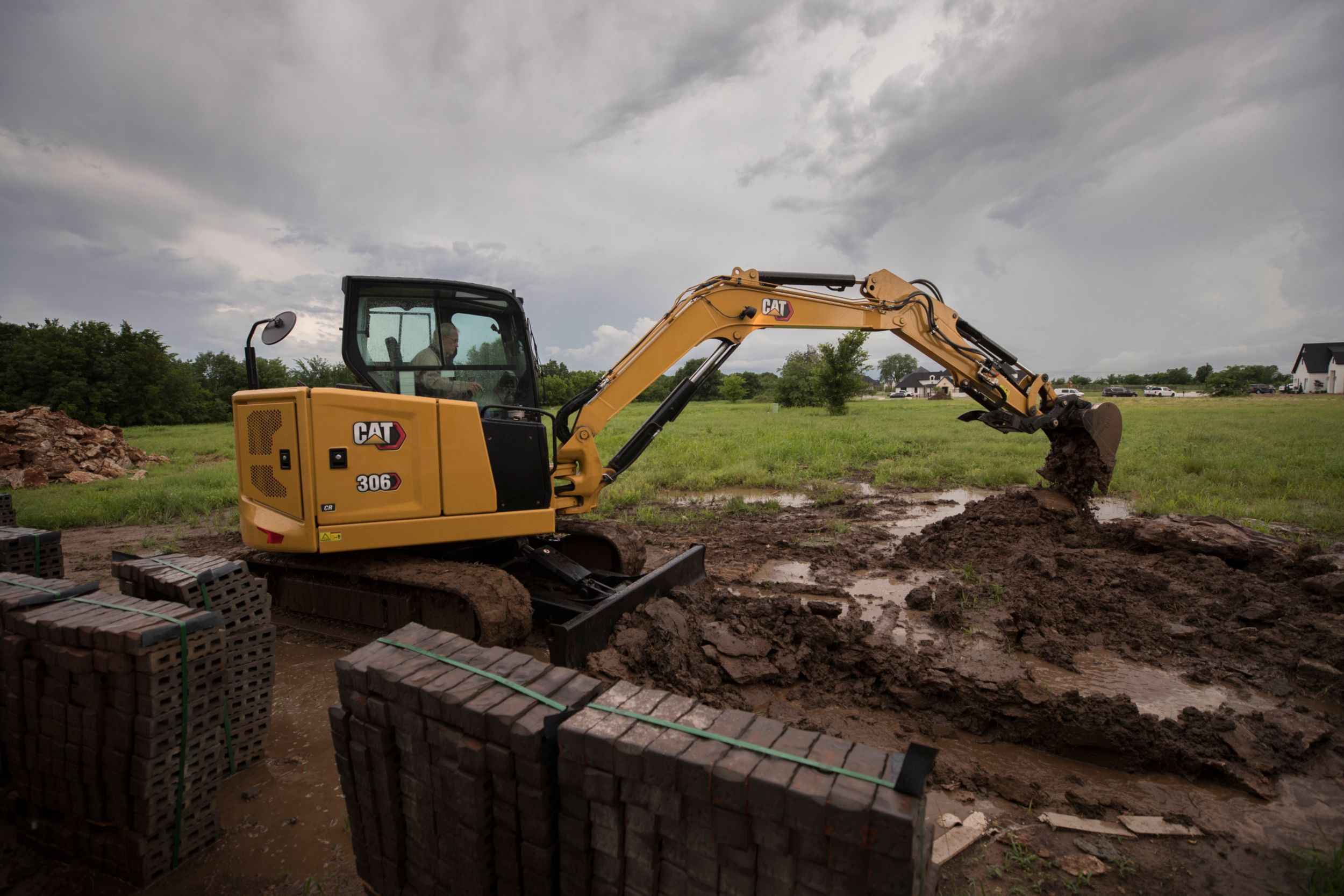
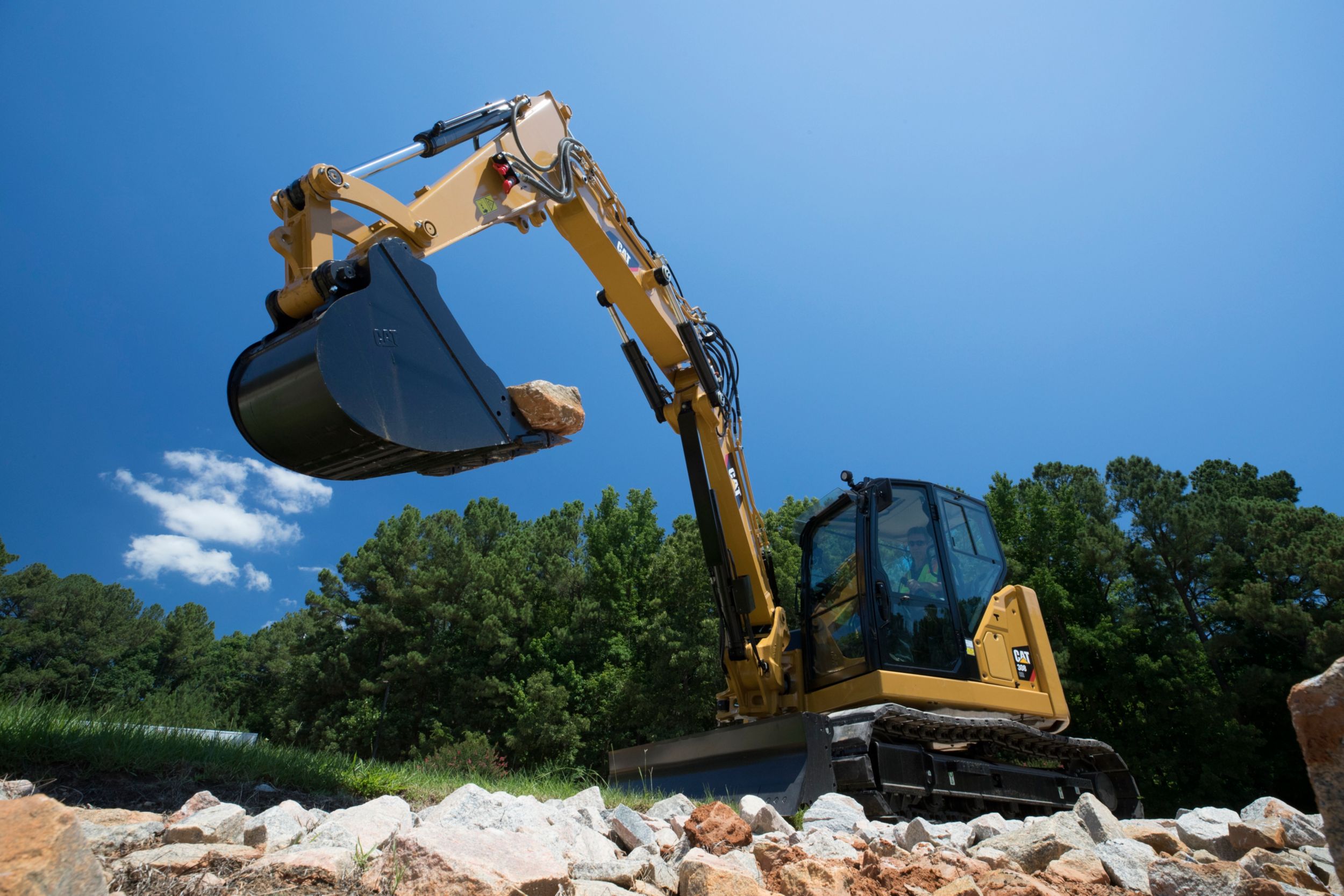
The 305 and 306 are versatile all-rounders. The 308–310 step into heavier-duty work, particularly in civil and construction environments.
Where Larger Mini Excavators Perform Best
Commercial Construction
These machines are well suited to:
- Footings and foundations
- Bulk excavation
- Site preparation
Their added reach and stability improve efficiency across larger jobs.
Civil and Infrastructure Work
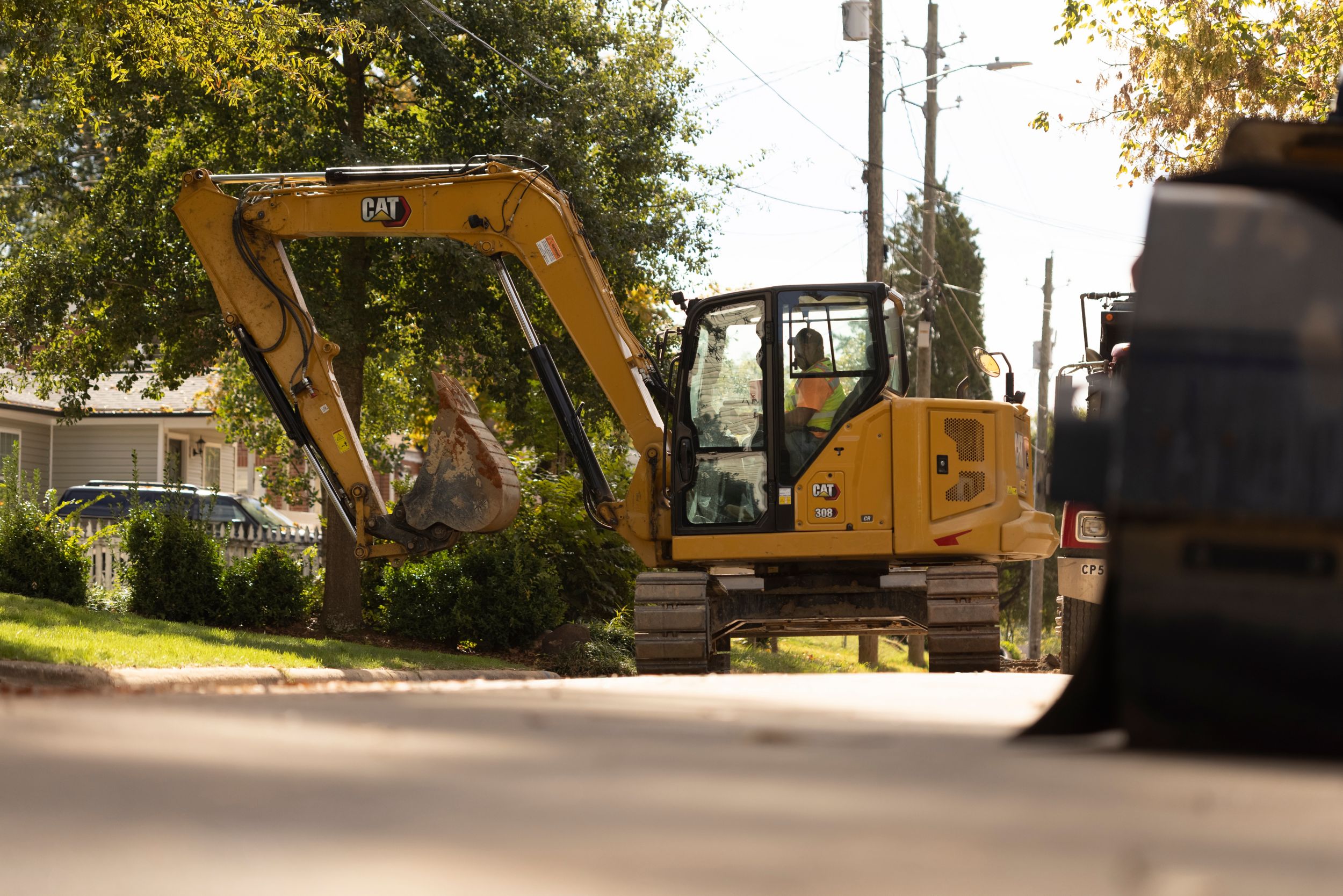
For drainage, roadworks and subdivisions, the extra capability is essential. You can:
- Dig deeper trenches
- Handle heavier materials
- Complete jobs faster
Attachment-Driven Work
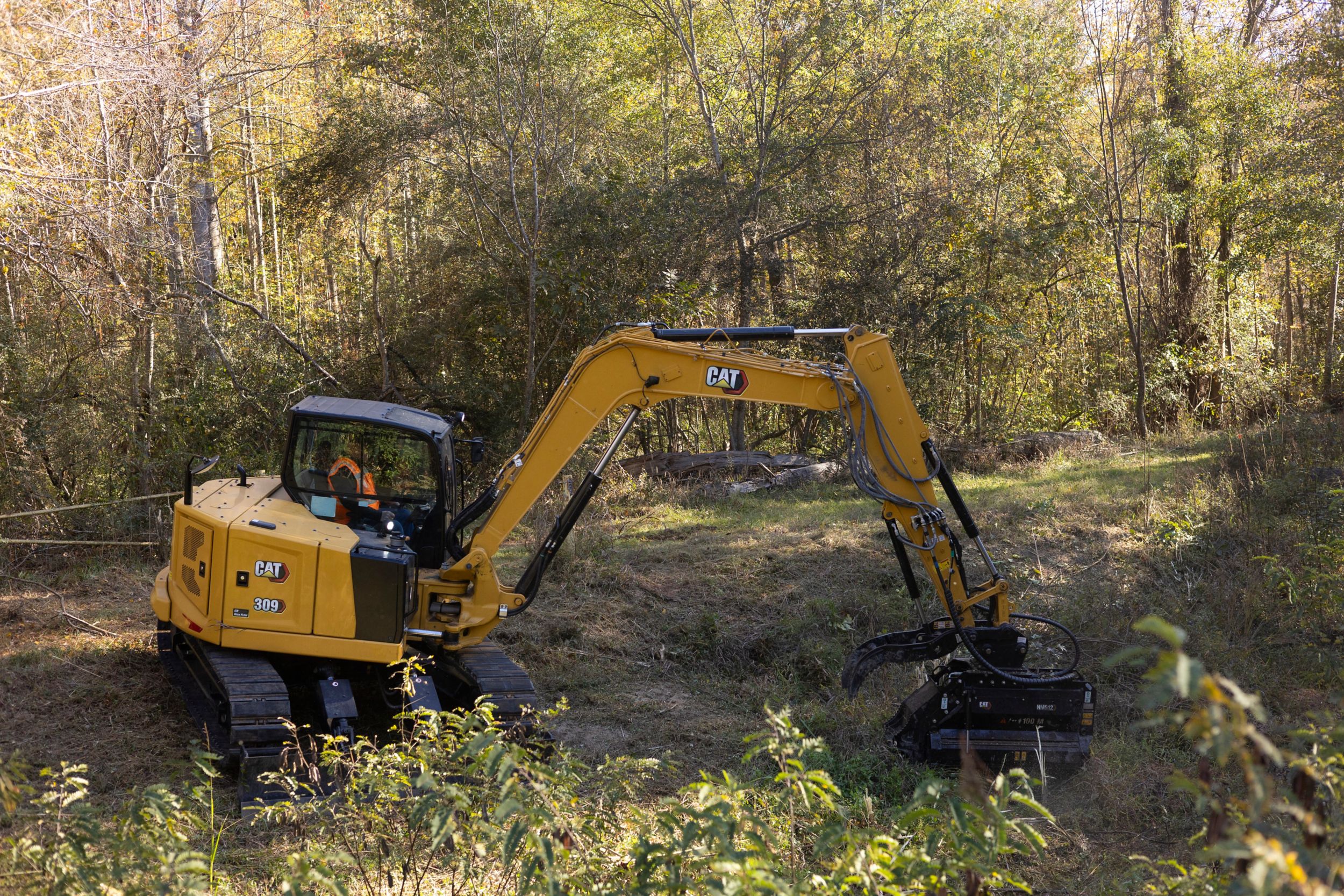
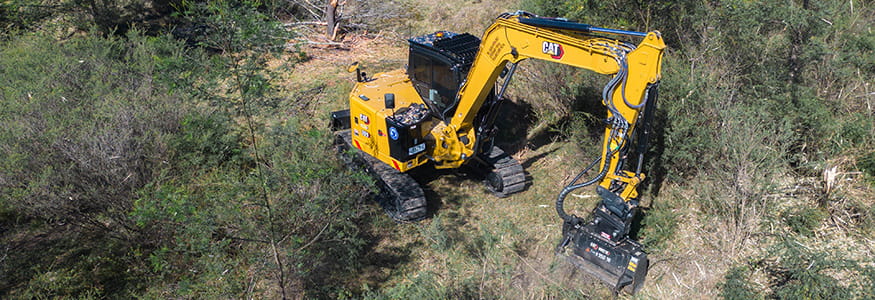
If your work relies on attachments, this size range delivers. With stronger hydraulics, you can run:
- Breakers
- Tilt buckets
…without sacrificing performance.
Medium Earthworks
Many contractors (like Access Tec) use this size range instead of larger excavators. You get the capability you need without the added complexity of bigger machines.
Why Businesses Upgrade to This Size
More Capability in One Machine
A larger mini excavator can handle a wider range of jobs, reducing the need for multiple machines.
Increased Productivity
More power and reach mean:
- Faster digging
- Fewer passes
- Better efficiency
Built for Growth
If you’re moving into larger projects, this range gives you the capacity to take them on.
What to Consider Before Upsizing
Transport Requirements
You may need:
- Larger trailers or trucks
- Additional compliance considerations
Higher Costs
These machines cost more to purchase and operate. Make sure your workload supports the investment.
Reduced Access
While still compact, they won’t match the access of smaller machines in tight residential environments.
Is a larger Cat Mini Excavator right for you?
Consider this range if:
- Your current machine is limiting your output
- You need more lift capacity or reach
- You rely on attachments
- You’re taking on larger projects
If not, a smaller machine may still be the better option.
Choosing the Right Machine Size
There is no single “best” mini excavator. The right choice depends on your work.
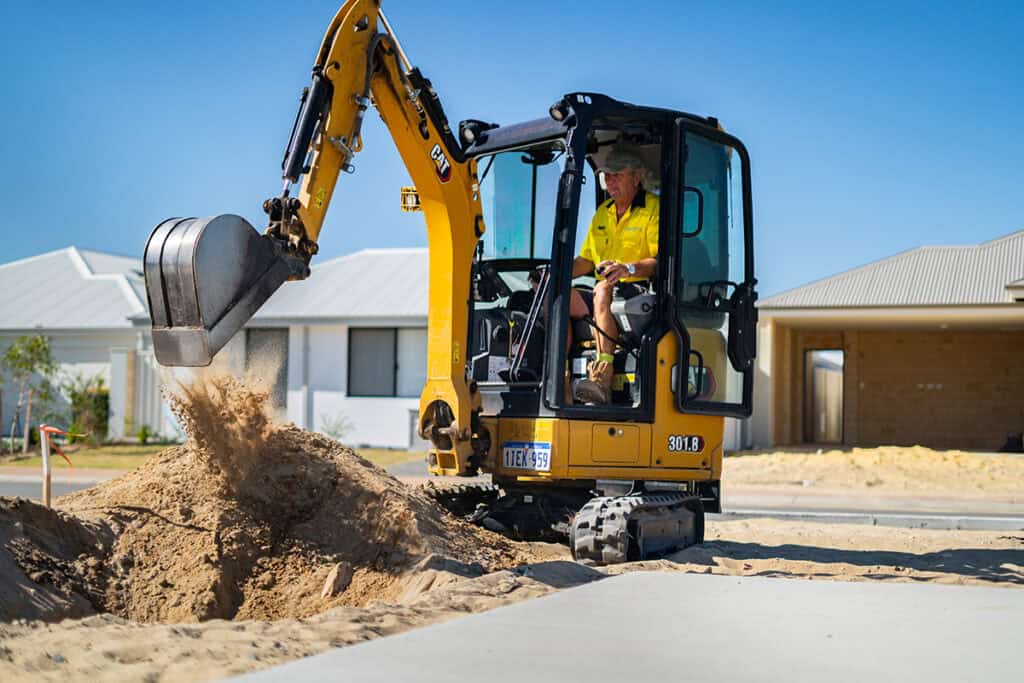
- 301.5–304: Best for tight access and residential jobs
- 305–310: Best for power, productivity and growth
Read Part 1: Choosing a Small Cat Mini Excavator (301.5–304)
Talk to WesTrac
Browse the full range of Excavators available from WesTrac.
Or get a quote or contact your local team.
FAQs: Larger Cat Mini Excavators
What size mini excavator is best for construction work?
For most commercial and civil jobs, the 305–310 range offers the right balance of power, reach and flexibility.
Are larger mini excavators harder to transport?
They are still transportable but typically require larger trailers and may involve additional compliance requirements.
Can a 5–10 tonne mini excavator replace a larger machine?
In many cases, yes. For medium-scale jobs, they provide enough capability while being easier to move between sites.




Contact Our Team

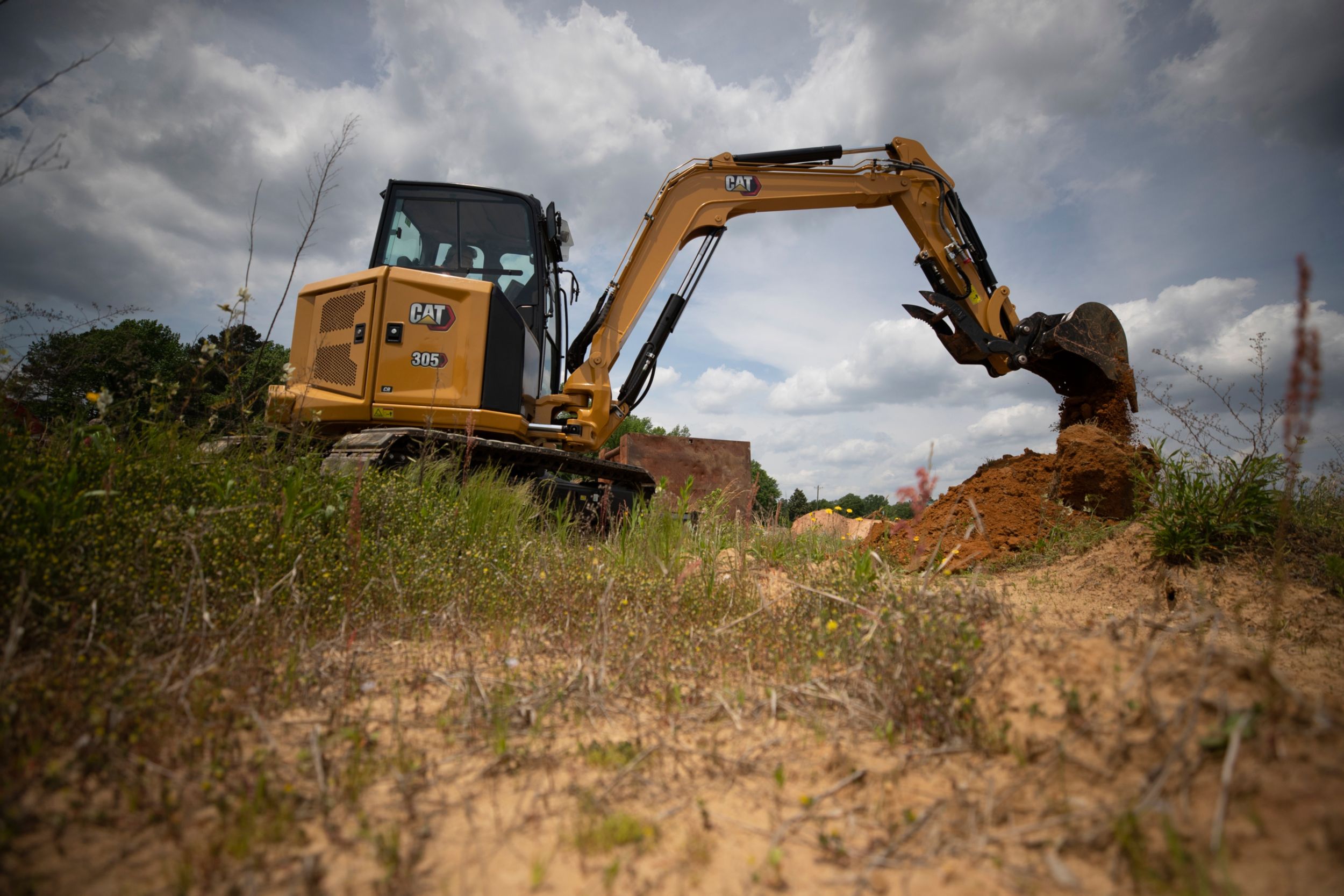
Raghu supports contractors across WA, NSW and ACT, helping them match Cat equipment to real job demands, with a focus on productivity, efficiency and long-term value.