1300 881 064
  FIND A BRANCH
 DIGITAL TOOLS









Choosing a Small Cat Mini Excavator (301.5–304): Part 1
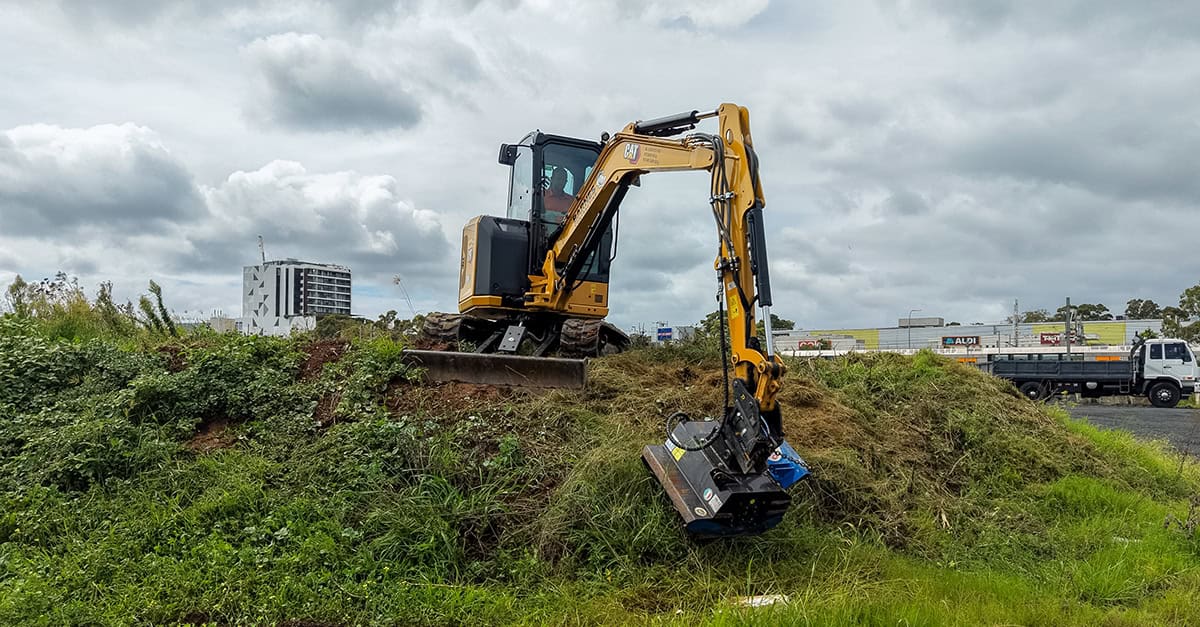
Why Size Matters When Choosing a Cat Mini Excavator
Choosing the right Cat mini excavator comes down to one thing: fit for purpose. The size you choose affects how efficiently you work, how easily you move between jobs, and how profitable each project becomes.
For contractors across WA, NSW and ACT, this decision has a direct impact on day-to-day operations. A machine that’s too large can limit access and increase transport costs. A machine that’s too small can slow you down when lift capacity or reach becomes an issue.
This is Part 1 of a two-part guide designed to help you choose the right machine. In this article, we focus on small Cat Mini Excavators (301.5–304) and where they perform best.
If you’re more interested in the larger models (305-310), jump forward to Part 2.
What Is a Small Cat Mini Excavator?
Small Cat mini excavators typically fall within the 1.5 to 4.2 tonne range, covering both micro and compact machines.
These machines are built for:
- Tight access and confined spaces
- Residential and light commercial work
- Easy transport between jobs
- Lower operating costs
Features like retractable undercarriages, compact swing designs and simple controls make them practical, efficient and easy to use.
Cat Mini Excavator Models: 301.5 to 304
This range includes:
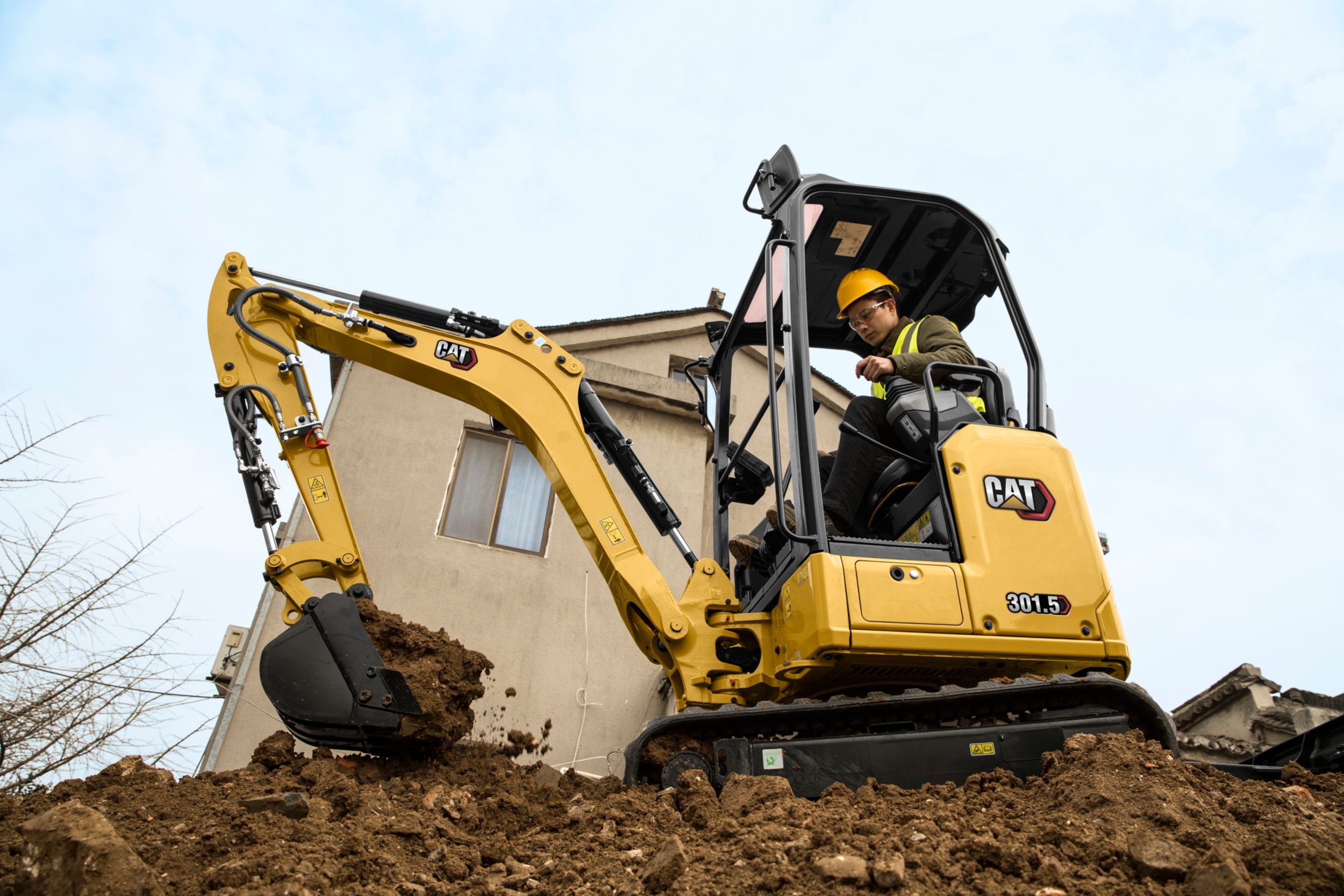
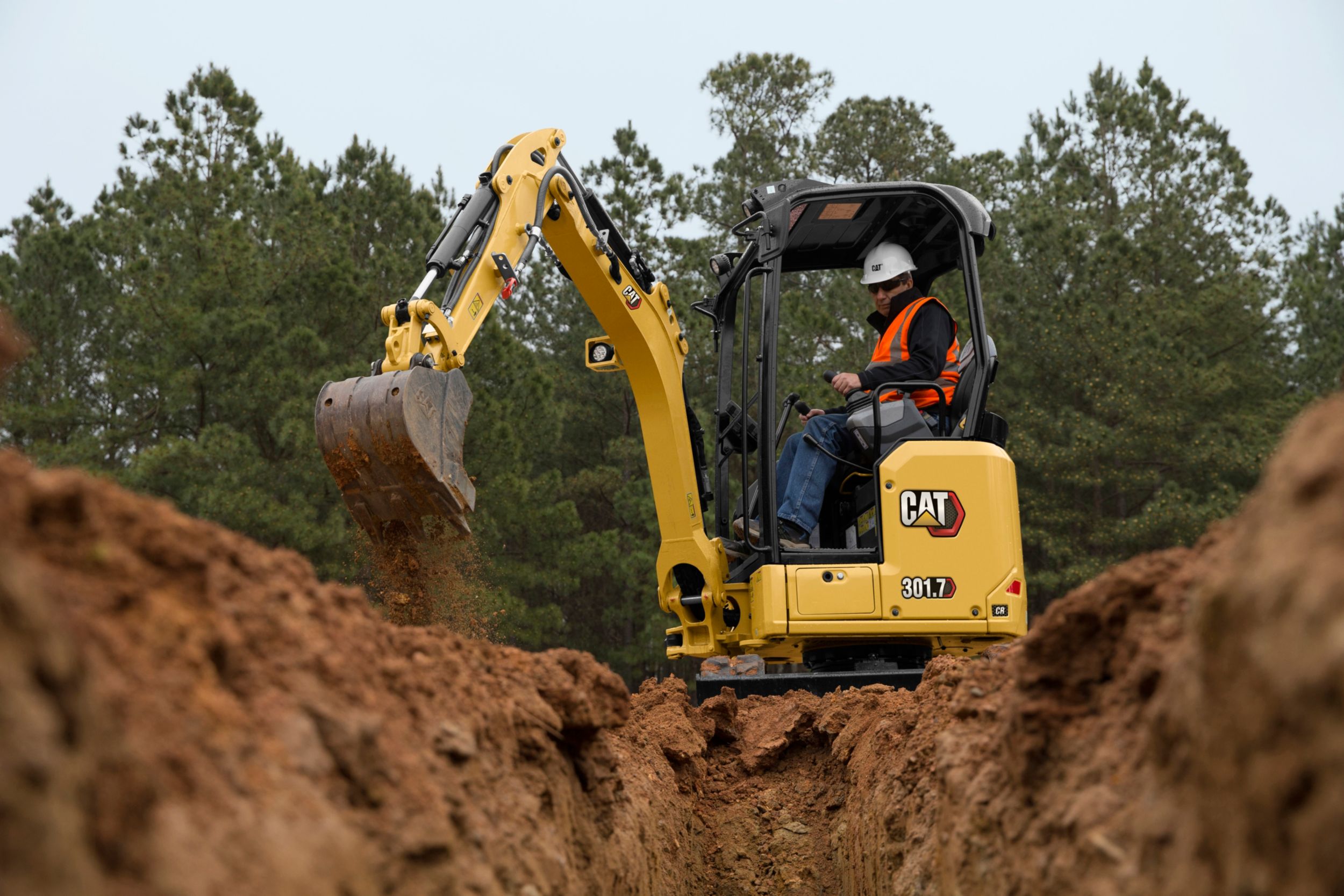
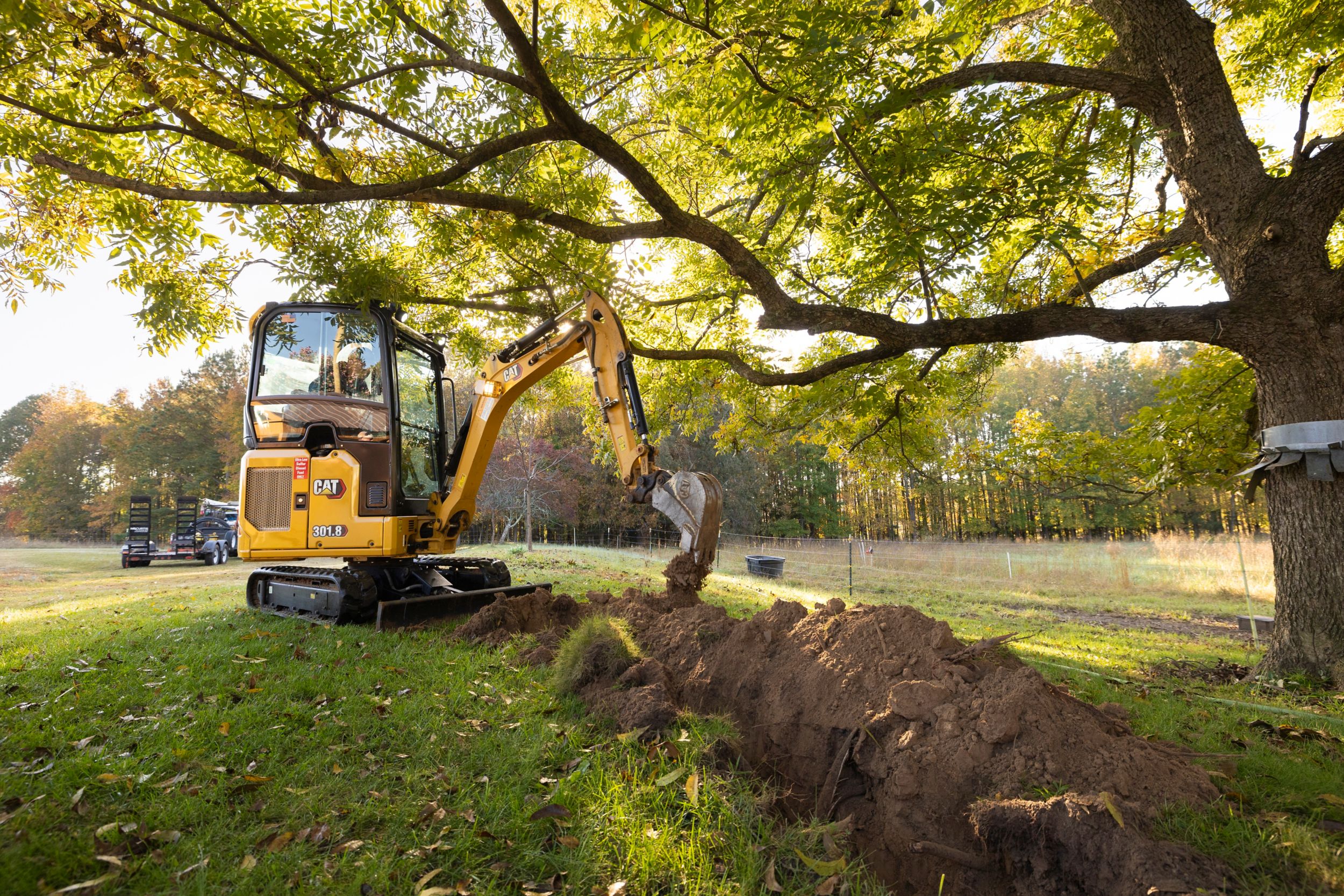
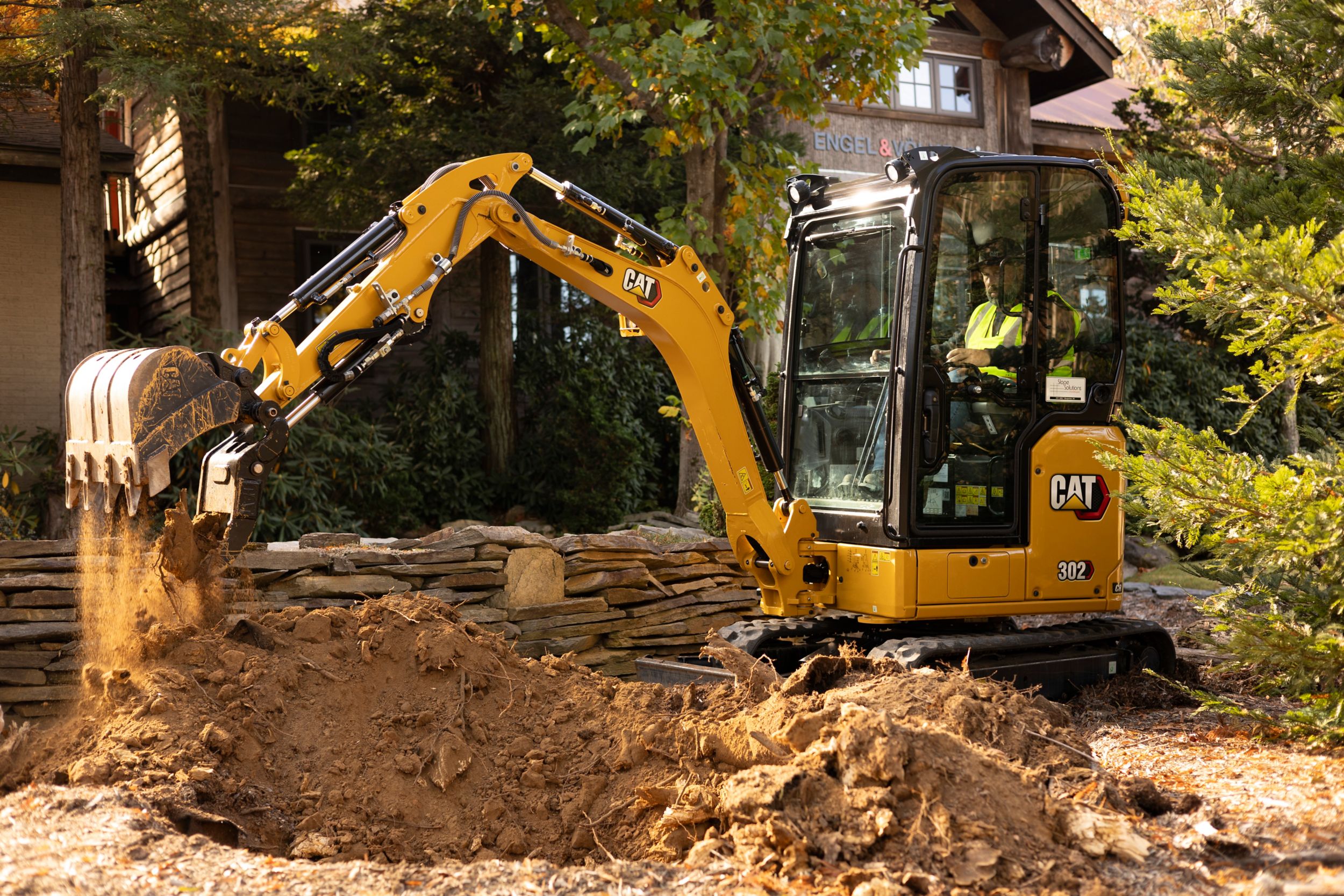
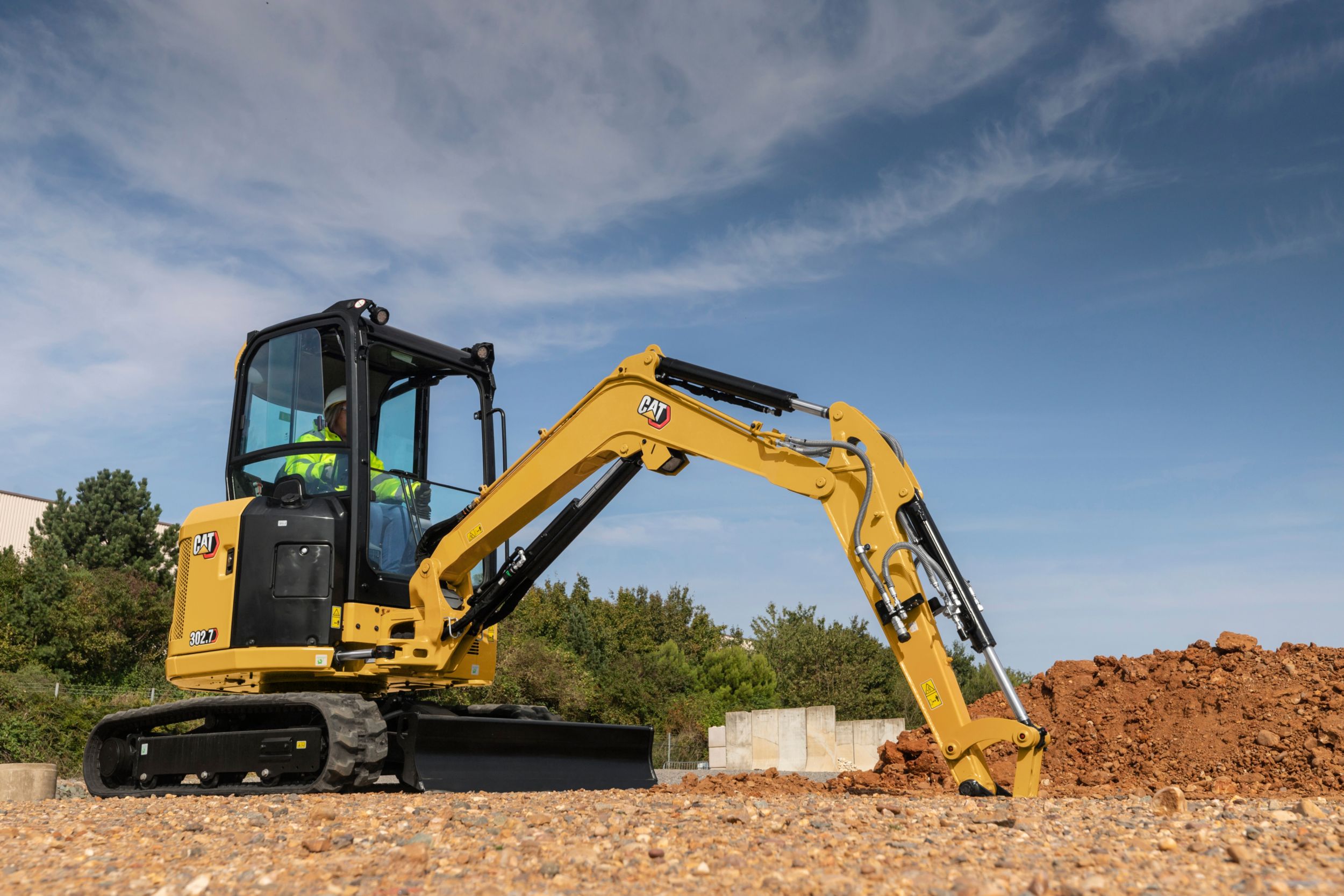
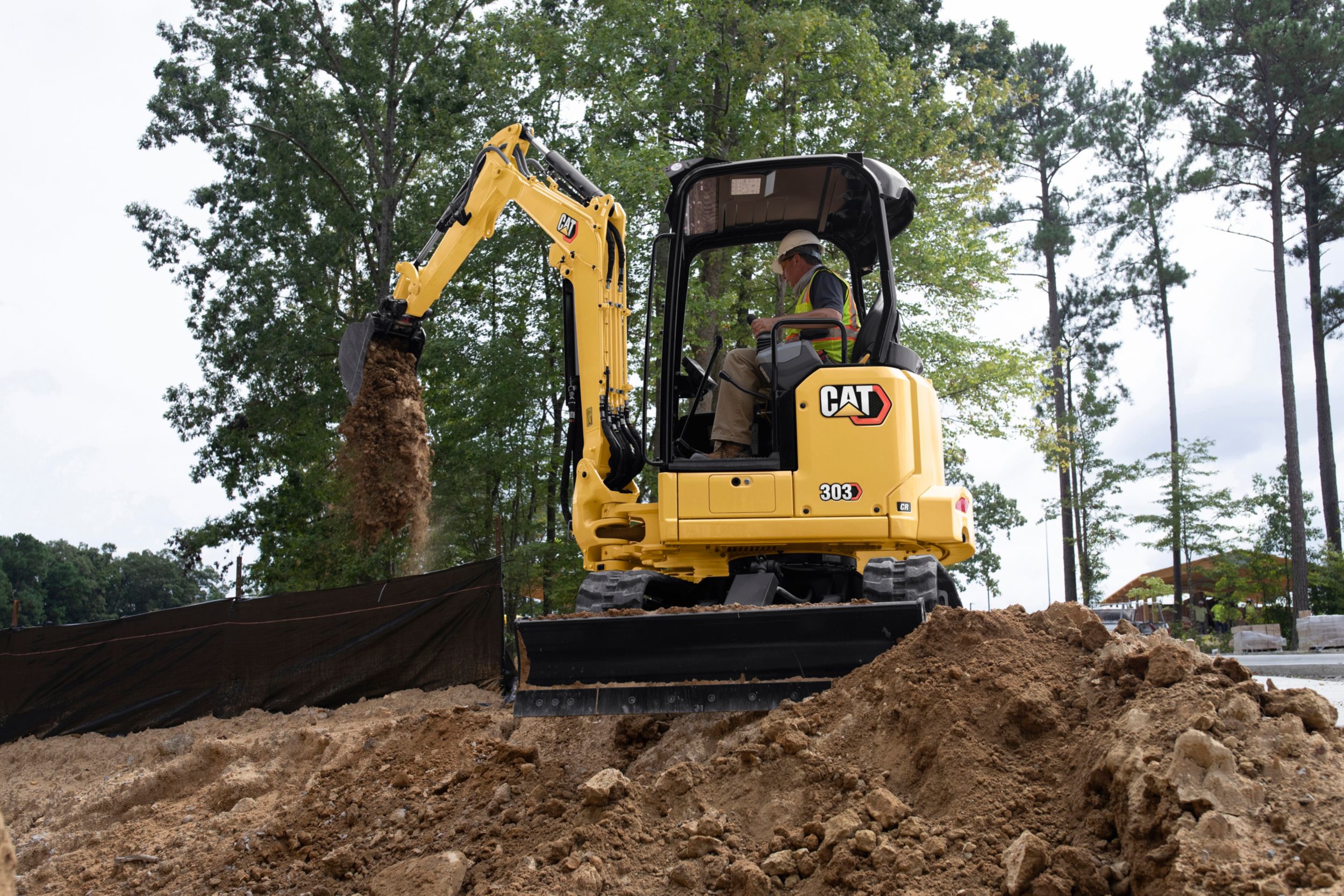
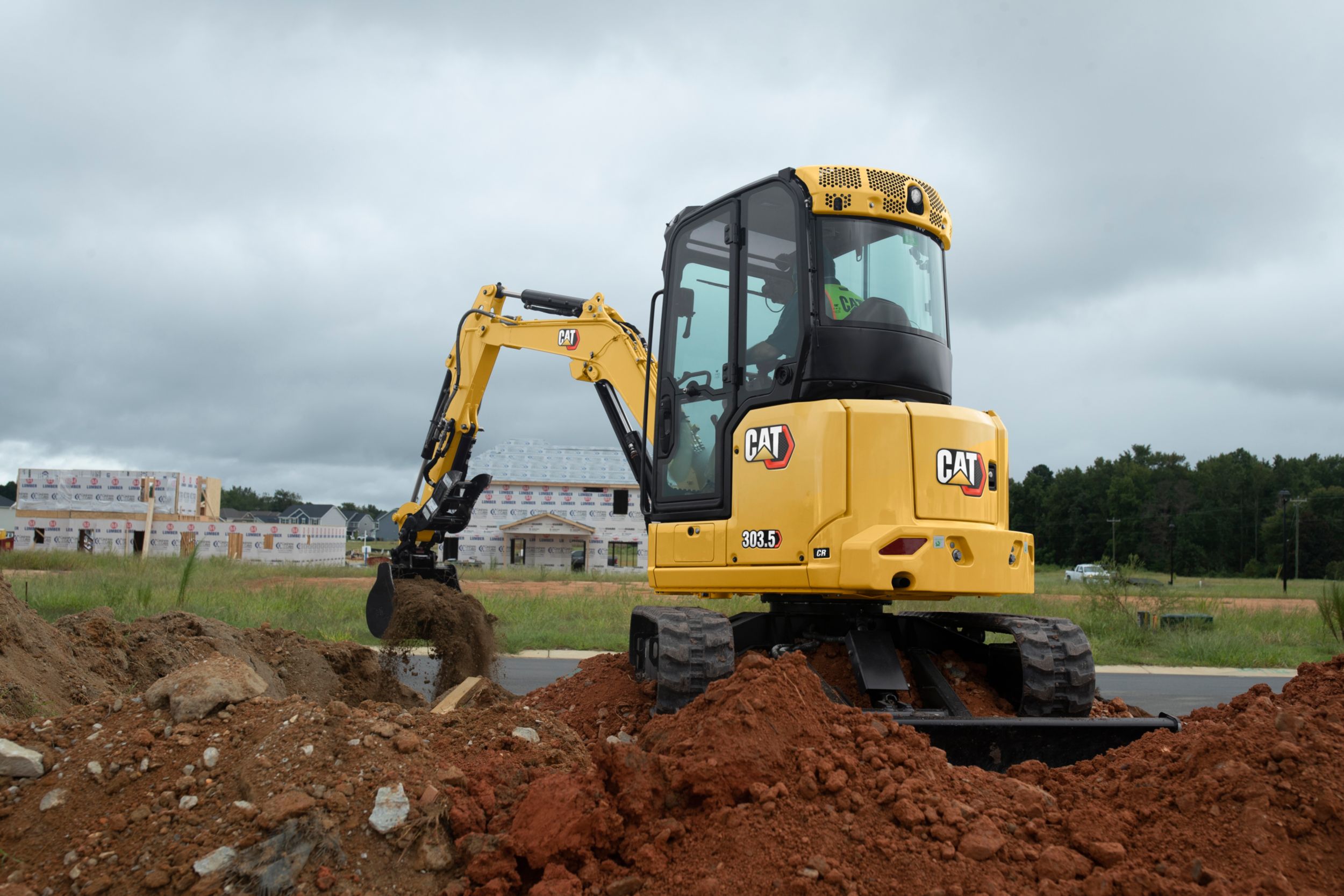
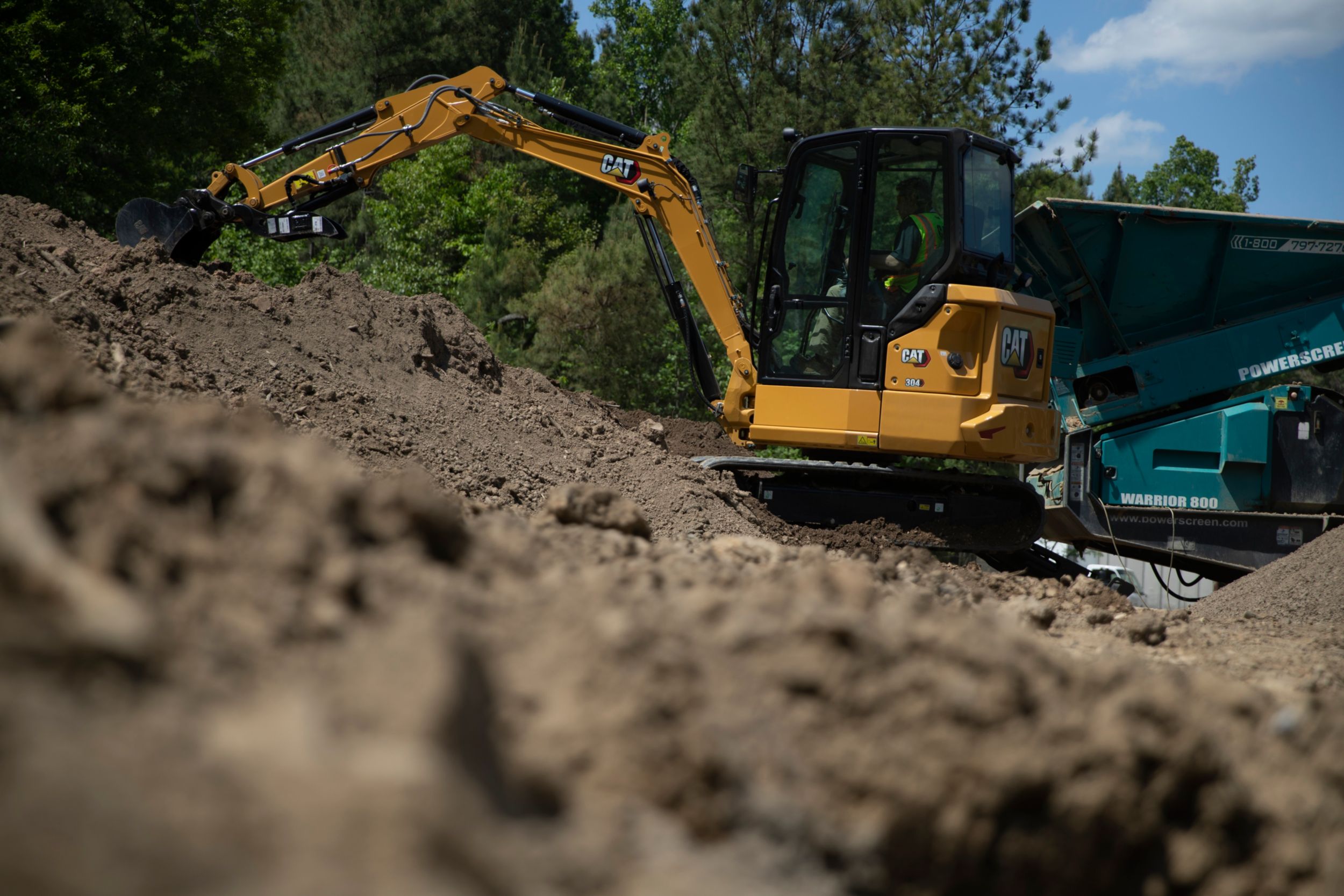
At the smaller end, models like the 301.5 and 301.7 are ideal for tight-access work. As you move up to the 303.5 and 304, you gain more lift capacity and reach while still keeping a compact footprint.
Where Small Cat Mini Excavators Work Best
Landscaping and Residential Projects
Small mini excavators are a natural fit for landscaping and residential construction. They allow you to work efficiently in tight spaces while maintaining precision.
Typical applications include:
- Retaining walls
- Site cuts
- Pool preparation
- Fencing
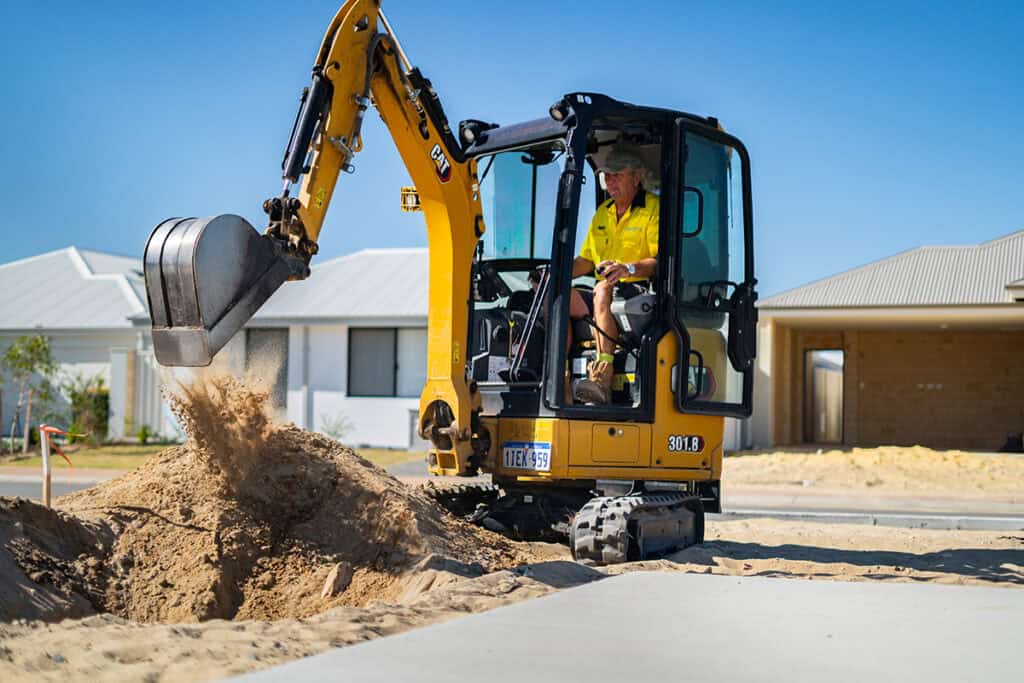
Trenching and Service Work
For plumbing, electrical and communications contractors, these machines are essential.
They allow you to:
- Dig clean, accurate trenches
- Minimise surface disruption
- Reduce reinstatement time
This is particularly valuable in built-up urban environments.
Tight Access Jobs
Access is where smaller Cat mini excavators stand out.
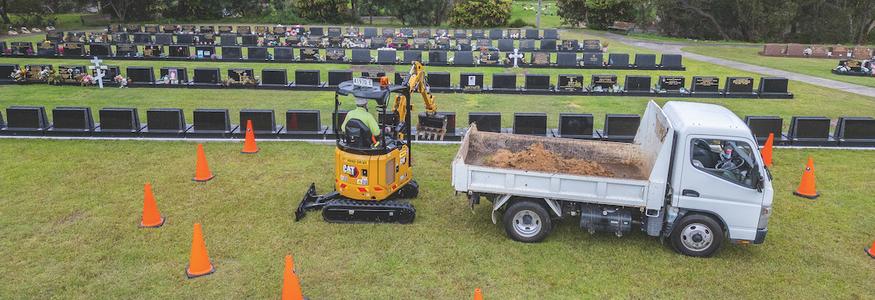
Their compact size and retractable undercarriage allow them to operate in:
- Backyards
- Narrow side access
- Courtyards
This opens up jobs that larger machines simply can’t reach.
Light Commercial Work
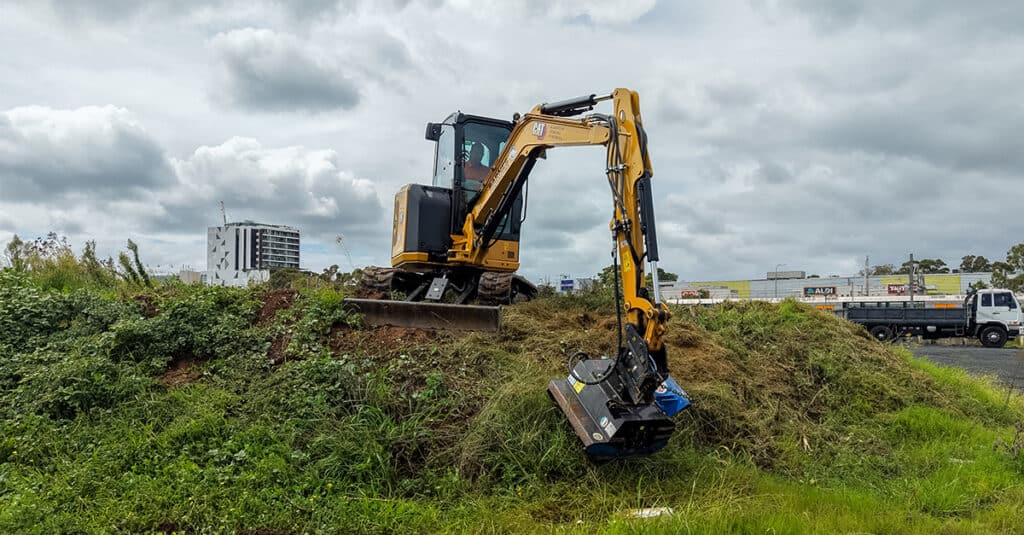
For smaller commercial projects, these machines provide enough capability without sacrificing manoeuvrability. They are commonly used for footings, trenching and general site preparation.
Why Choose a Smaller Cat Mini Excavator?
Easy Transport
Most machines in this range can be transported on a standard trailer. This reduces downtime and makes it easier to move between jobs.
Lower Upfront Cost
Smaller machines offer a more accessible entry point into equipment ownership, especially for owner-operators and growing businesses.
Simple Operation
These machines are easy to operate and quick to learn. That makes them ideal for small teams and multi-skilled operators.
Strong Return on Investment
Smaller machines are versatile, but they do have limits.
If your work focuses on residential or service-based jobs, these machines tend to stay busy. High utilisation leads to consistent returns.
Limitations to Consider
- Shallower dig depth compared to larger machines
- Lower lift capacity
- Reduced performance with heavy attachments
It’s importat to matchmachine size to your transport setup, job requirements and site access.
Is a smaller Cat Mini Excavator right for you?
This range is a good fit if:
- You regularly work in tight spaces
- Your projects are mostly residential or light commercial
- You need simple, reliable transport
- Your work focuses on trenching or landscaping
If this reflects your workload, a smaller Cat mini excavator is likely the right choice.
When to Consider a Larger Machine
As your business grows, your needs may change.
You may require:
- More lift capacity
- Greater reach
- Better attachment performance
When that happens, it may be time to step up.
Talk to WesTrac
Browse the full range of Excavators available from WesTrac.
Or get a quote or contact your local team.
FAQs: Small Cat Mini Excavators
What is the best Cat mini excavator for tight access work?
Models like the Cat 301.5, 301.7 and 301.8 are ideal due to their compact size and minimal tail swing.
How deep can a small Cat mini excavator dig?
Most machines in this range dig between 2.5m and just over 3m, depending on the model.
Can I transport a mini excavator on a trailer?
Yes. Most small Cat mini excavators are designed for transport on standard plant trailers.



Contact Our Team

Raghu supports contractors across WA, NSW and ACT, helping them match Cat equipment to real job demands, with a focus on productivity, efficiency and long-term value.